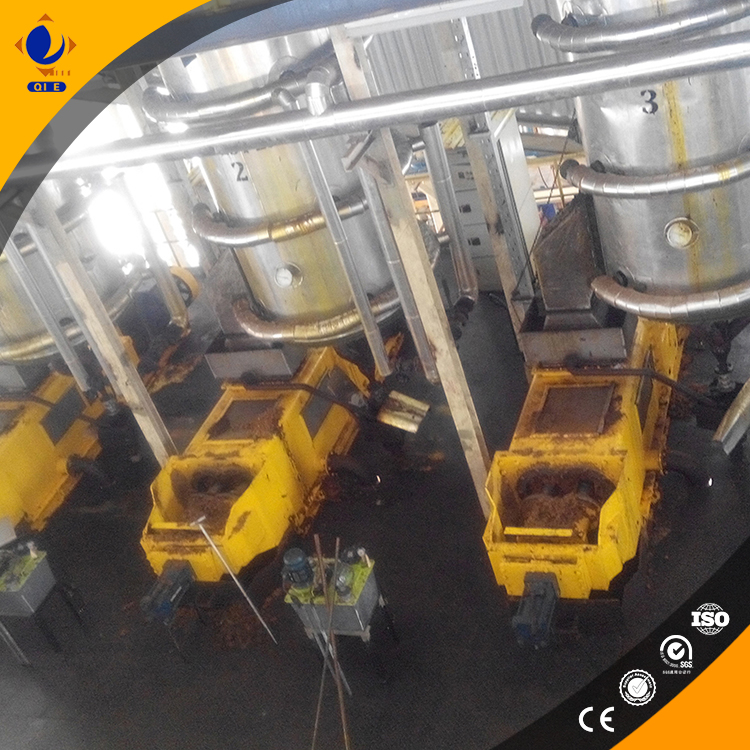
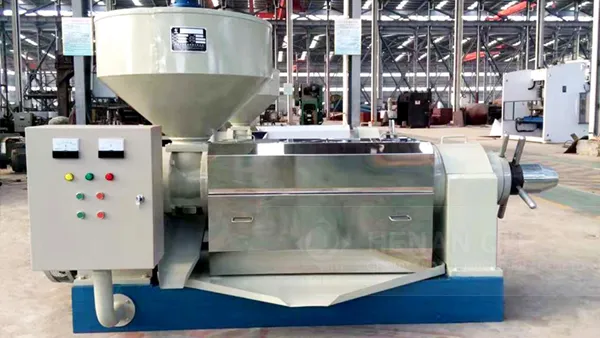
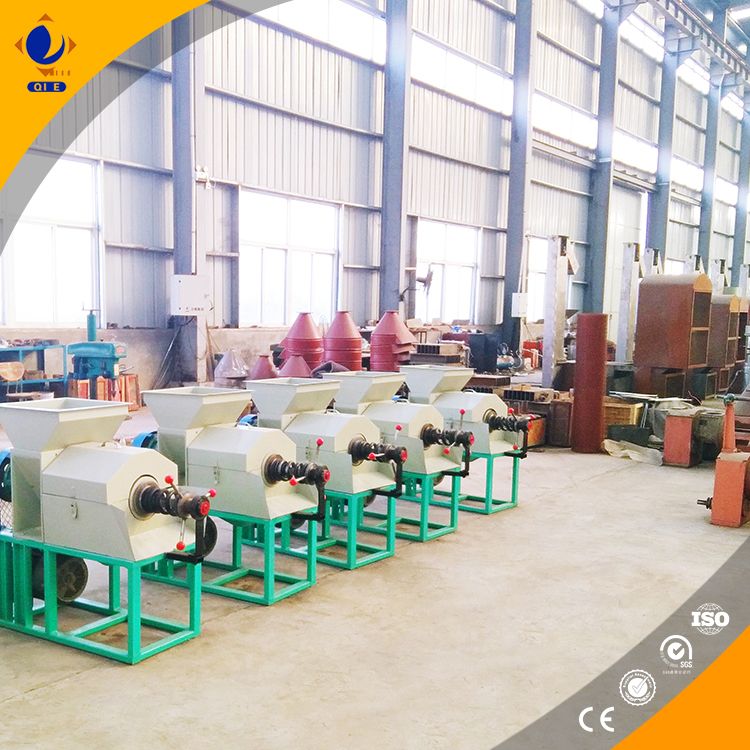
An edible oil production line is an integrated processing system that converts oil-bearing seeds or other oilseeds into market-ready edible oil. Depending on the raw material, capacity target, processing method, and required finished-oil quality, the line may include oilseed pretreatment, mechanical pressing or solvent extraction, crude oil treatment, refining, and packaging equipment.
For oil processing businesses, the key is not simply selecting individual machines. A practical production line connects each process stage in a coordinated flow so that material handling, oil recovery, treatment, and finished-product preparation can be planned around the same operating objective.
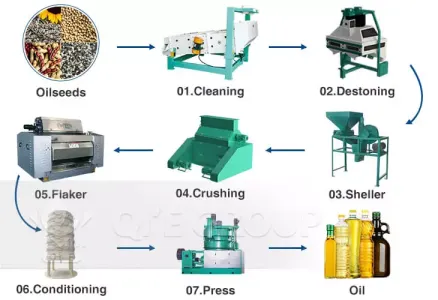
Edible oil processing generally follows a progressive sequence: prepare the oilseed, release or recover the oil, treat the crude oil, refine it when required, and prepare the finished product for distribution. The exact configuration varies because different oilseeds and product specifications require different process choices.
| Process Section | Main Purpose | Configuration Considerations |
|---|---|---|
| Oilseed pretreatment equipment | Receives and prepares raw materials before oil recovery. | Oilseed type, incoming material condition, and planned processing route. |
| Oil pressing and extraction equipment | Recovers oil through mechanical pressing or solvent extraction. | Raw material characteristics, capacity requirements, and process selection. |
| Crude oil treatment equipment | Handles crude oil as it moves from recovery to refining. | The condition of crude oil and the requirements of the refining stage. |
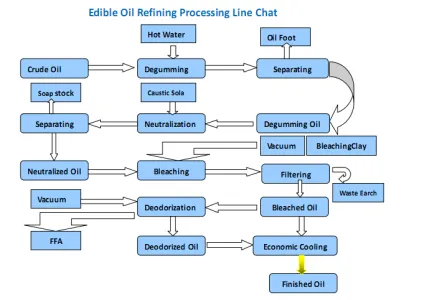
| Edible oil refining equipment | Refines oil according to the desired finished-oil specification. | Target oil quality, product positioning, and applicable process needs. |
| Finished oil packaging equipment | Supports final product preparation after processing. | Packaging format, production flow, and finished-product handling requirements. |
Mechanical pressing and solvent extraction are two principal approaches used in edible oil production. They should be evaluated as part of the overall line design rather than as isolated equipment decisions.
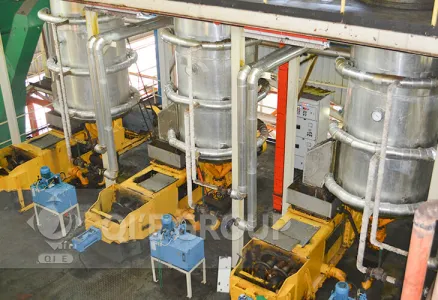
Mechanical pressing uses an oil press to recover oil from prepared oilseeds. It is commonly considered where the selected raw material and production plan are suited to a pressing-based process. Supporting pretreatment and crude-oil handling equipment should be matched to the press and the intended downstream operation.
Solvent extraction is an alternative oil recovery route used in applicable edible oil processing configurations. Its integration requires a complete view of upstream preparation, extraction operation, crude oil treatment, refining needs, and the facility's process management requirements.
A complete edible oil production line is designed around operating requirements, not a one-size-fits-all equipment list. Before selecting a configuration, businesses should define the following fundamentals:
The value of a production line lies in how its sections work together. Pretreatment affects the conditions entering pressing or extraction; oil recovery influences the characteristics of crude oil; and crude oil treatment must support the selected refining process. Packaging is then planned around the finished product flow.
A well-defined edible oil production line links raw-material processing, oil recovery, refining, and finished-oil preparation in a configuration aligned with the customer's oilseed, capacity, and product-quality objectives.
Qi'e Grain and Oil Machinery Co., Ltd. develops and supplies oil pressing equipment, oil production line equipment, and edible oil refining equipment for B2B oil processing projects. The company’s product scope supports projects involving oilseed pretreatment, pressing or extraction, refining, and related production-line requirements.
When evaluating an edible oil production line, Qi'e Grain and Oil Machinery Co., Ltd. can help frame the equipment solution around the selected raw material, planned capacity, process route, and finished-oil requirements—creating a clearer basis for equipment selection, line design, installation planning, and technical service.
.jpg?x-oss-process=image/resize,h_300,m_lfit/format,webp)
 204
|
204
|
 industrial oil press equipment
soybean crushing technology
oilseed pretreatment solution
export oil press machine
crushing granularity control
industrial oil press equipment
soybean crushing technology
oilseed pretreatment solution
export oil press machine
crushing granularity control
 292
|
oilseed pressing process differences
screw press pressure adjustment
oilseed pretreatment methods
rapeseed oil pressing technology
sunflower seed pressing techniques
292
|
oilseed pressing process differences
screw press pressure adjustment
oilseed pretreatment methods
rapeseed oil pressing technology
sunflower seed pressing techniques
 496
|
spiral hydraulic oil press maintenance
hydraulic press fault prevention
bearing maintenance methods
equipment lubrication schedule
seal failure solutions
496
|
spiral hydraulic oil press maintenance
hydraulic press fault prevention
bearing maintenance methods
equipment lubrication schedule
seal failure solutions
 215
|
oilseed storage temperature humidity control
crushing particle size oil extraction
oilseed softening process parameters
improve oil extraction yield
oil mill pretreatment optimization
215
|
oilseed storage temperature humidity control
crushing particle size oil extraction
oilseed softening process parameters
improve oil extraction yield
oil mill pretreatment optimization
 488
|
Qi'e Group
grain and oil machinery maintenance
daily maintenance
wear parts inspection
equipment stability
488
|
Qi'e Group
grain and oil machinery maintenance
daily maintenance
wear parts inspection
equipment stability