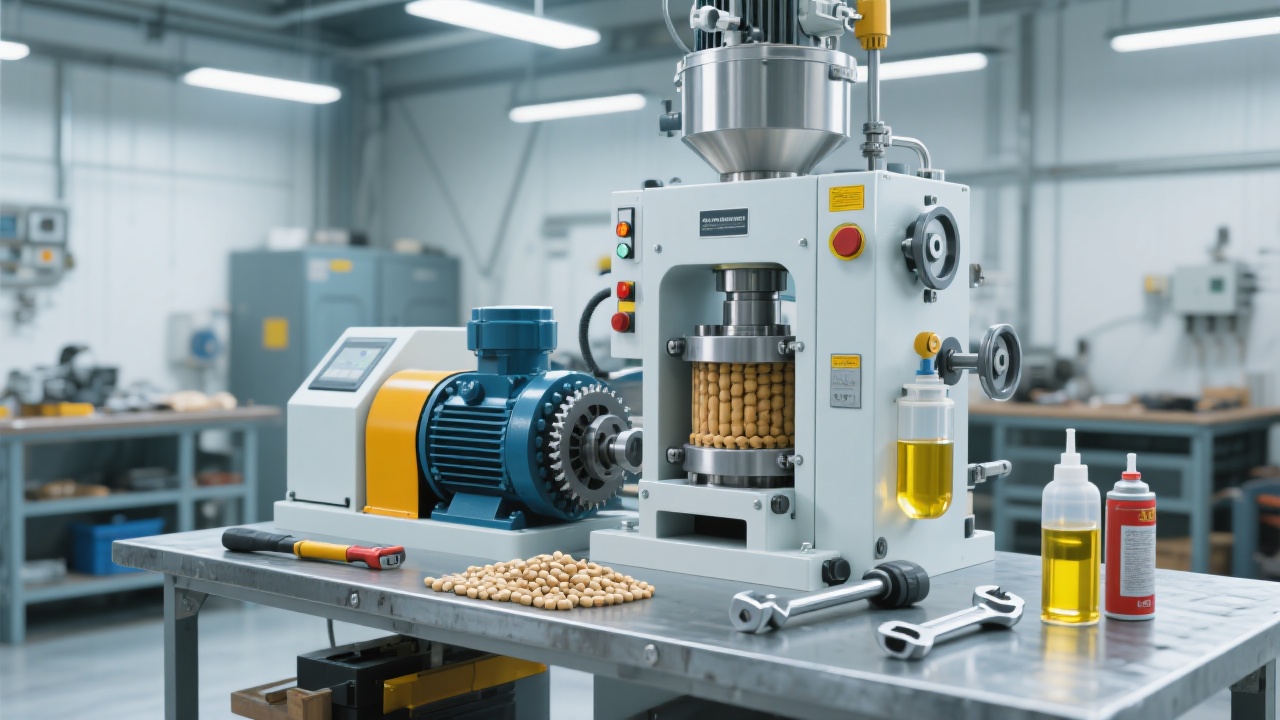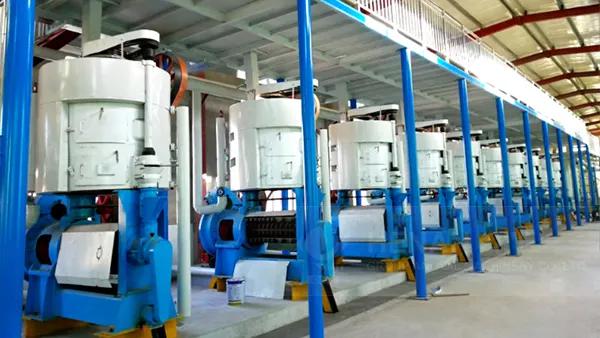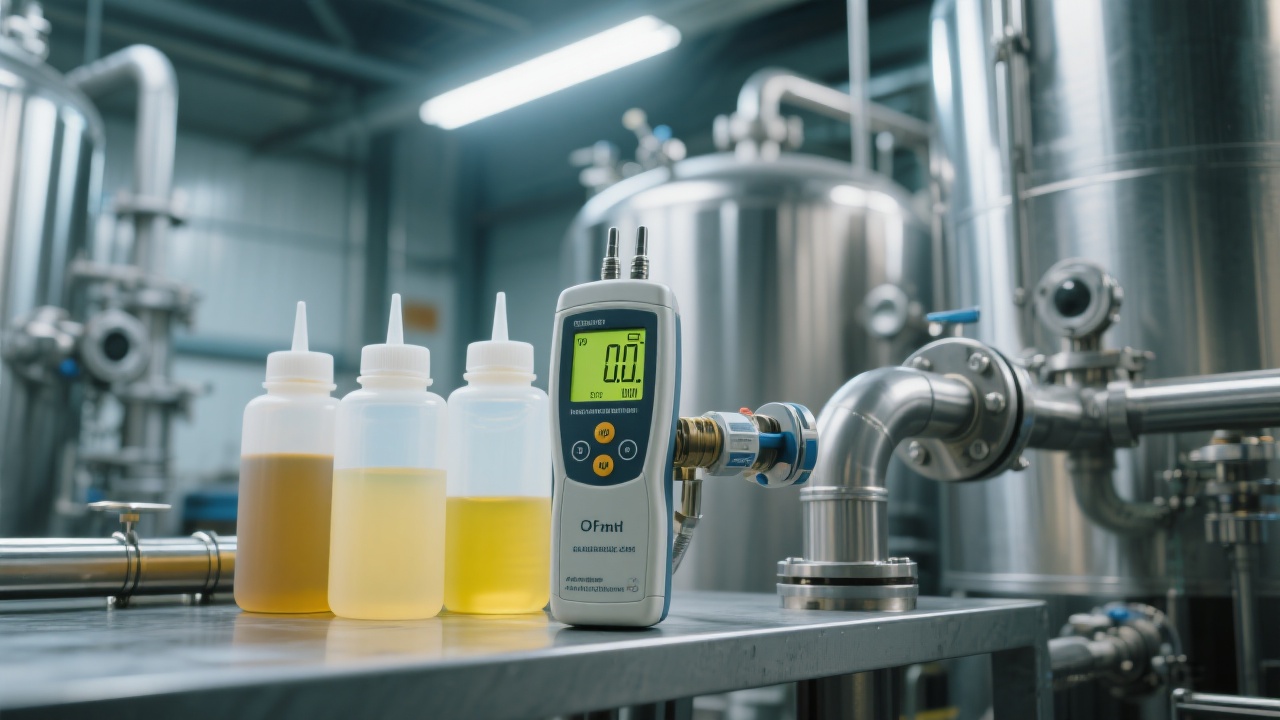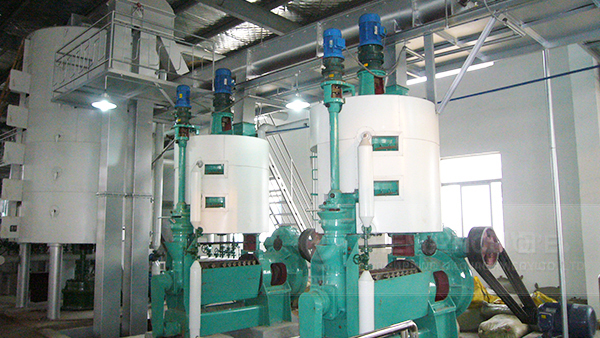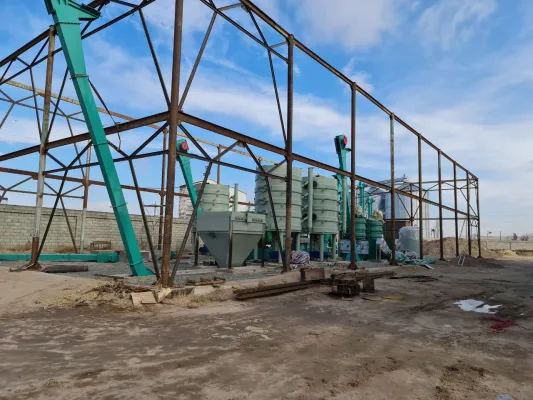
We've found that in the vegetable oil pressing industry, many operators face several common pain points. Low oil yield is a major concern. For example, some traditional pressing methods may only achieve an oil yield of around 30 - 35%, which is far from the potential maximum. In addition, the flavor of the oil can be easily damaged during the pressing process. Uncontrolled temperature can lead to the oxidation of oils, resulting in a rancid smell and a significant reduction in the overall quality of the oil. Moreover, frequent alarms from the equipment also disrupt the normal production process, causing inefficiencies and increased maintenance costs.

Let's delve into the principle of temperature control in vegetable oil pressing. Temperature has a profound impact on the structure of proteins, the oxidation of oils, and the stability of emulsions. When the temperature is too high, proteins in the raw materials will denature. This can cause the oil to be trapped within the protein matrix, reducing the oil yield. For instance, a temperature increase of ±5℃ compared to the optimal temperature can lead to a 5 - 10% reduction in the oil yield. At the same time, high temperatures accelerate the oxidation of oils, which not only affects the flavor but also shortens the shelf - life of the oil. On the other hand, proper temperature control can enhance the stability of emulsions, making it easier for the oil to separate from the other components, thus improving the clarity of the oil. A temperature fluctuation of ±1℃ can result in a much clearer oil compared to a ±5℃ fluctuation, with a significant difference in the visual appearance of the oil product.
We understand that different raw materials have different moisture contents, and this directly affects the temperature settings in the segmented heating mode. For example, when pressing peanuts with a moisture content of more than 8%, we need to increase the pre - heating temperature. Generally, for peanuts with a moisture content of 8 - 10%, the pre - heating temperature can be set at around 80 - 90℃, while for those with a moisture content below 8%, a pre - heating temperature of 70 - 80℃ may be sufficient. For soybeans, if the moisture content is around 10 - 12%, the pre - heating temperature should be around 75 - 85℃. These precise temperature settings can effectively improve the oil yield and the quality of the oil.
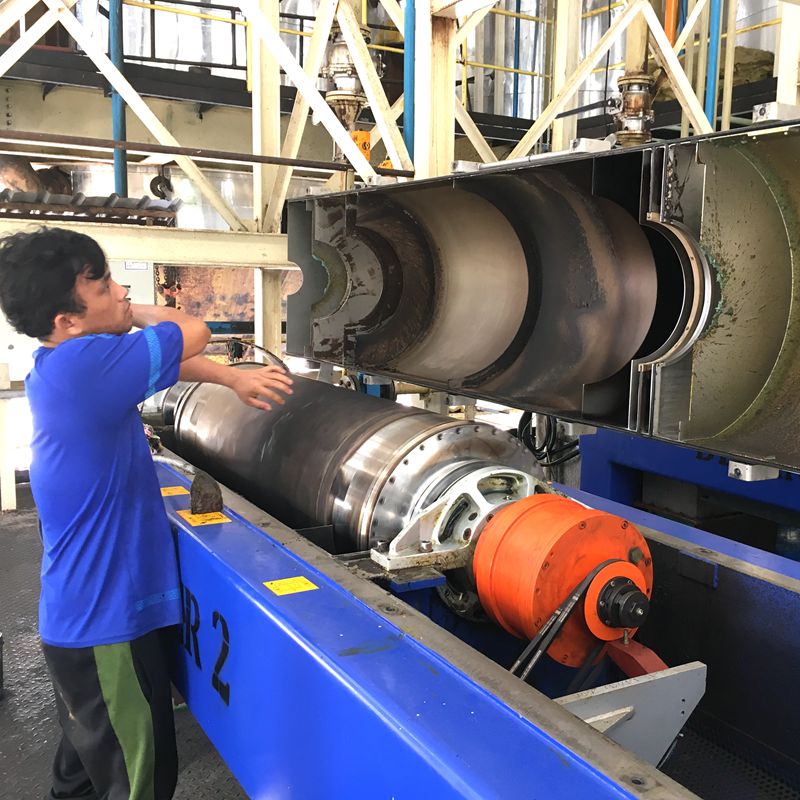
The layout of sensors is crucial for accurate temperature control. We recommend placing sensors at key positions such as the pre - heating chamber, the pressing chamber, and the outlet of the oil. This allows for real - time monitoring of the temperature at different stages of the pressing process. When an alarm occurs, it's important to understand the meaning of the alarm code. For example, if there is a ±3℃ temperature fluctuation, it may indicate a problem with the equipment's sealing. In this case, we need to check the seals around the chambers to ensure airtightness. Some common alarm codes and their corresponding solutions are provided in the following table:
| Alarm Code | Possible Cause | Solution |
|---|---|---|
| ±3℃ fluctuation | Poor sealing | Check and replace seals |
| Over 10℃ deviation | Sensor malfunction | Calibrate or replace sensor |
Whether you are a novice just taking over a pressing line or an engineer seeking process upgrades, we want to help you achieve more efficient and stable production. To further assist you, we have prepared a Temperature Control Self - Check List in PDF format. This checklist contains detailed information on temperature settings, sensor maintenance, and common problem - solving methods. By clicking the link below, you can download this valuable resource and take your vegetable oil pressing process to the next level.
Click here to get the Temperature Control Self - Check List PDF
 375
|
375
|
 Multipurpose Mini Palm Oil Production Line Equipment
Palm Oil Processing Equipment
Cold and Hot Pressing Technology
304 Stainless Steel Core Components
Internationally Recognized Brand Key Parts
Personalized Customization
Global Palm Oil Equipment Market
Multipurpose Mini Palm Oil Production Line Equipment
Palm Oil Processing Equipment
Cold and Hot Pressing Technology
304 Stainless Steel Core Components
Internationally Recognized Brand Key Parts
Personalized Customization
Global Palm Oil Equipment Market
 65
|
6YL-185 Screw Hydraulic Press
6YL-185 Oil Extraction Machine
Spiral Hydraulic Press for Vegetable Oils
High Efficiency Screw Oil Press 6YL-185
Cost-effective Oil Processing Equipment 6YL-185
6YL-185 Hydraulic Press for Oilseeds
Versatile Oil Press Machine 6YL-185
Durable Screw Hydraulic Press 6YL-185
65
|
6YL-185 Screw Hydraulic Press
6YL-185 Oil Extraction Machine
Spiral Hydraulic Press for Vegetable Oils
High Efficiency Screw Oil Press 6YL-185
Cost-effective Oil Processing Equipment 6YL-185
6YL-185 Hydraulic Press for Oilseeds
Versatile Oil Press Machine 6YL-185
Durable Screw Hydraulic Press 6YL-185
 338
|
palm oil refining equipment
fully automatic PLC control system
energy-efficient palm oil machinery
338
|
palm oil refining equipment
fully automatic PLC control system
energy-efficient palm oil machinery
 207
|
screw press oil extraction optimization
small oil mill process improvement
rapeseed peanut sunflower seed pressing techniques
screw press parameter adjustment
continuous screw press operation guide
207
|
screw press oil extraction optimization
small oil mill process improvement
rapeseed peanut sunflower seed pressing techniques
screw press parameter adjustment
continuous screw press operation guide
 162
|
ZY24 (202 - 3) oil press
multifunctional oil extractor
small to medium oil factory solutions
162
|
ZY24 (202 - 3) oil press
multifunctional oil extractor
small to medium oil factory solutions
.jpg)