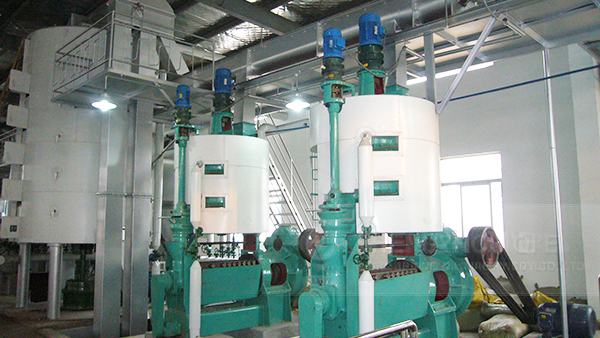
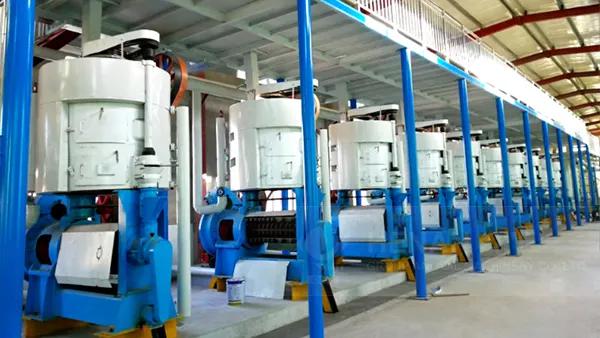
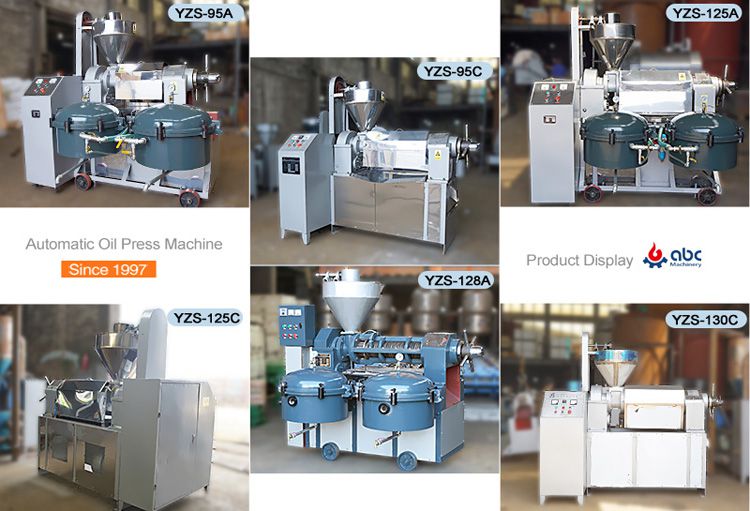
In the vegetable oil pressing process, the temperature control system plays a pivotal role in determining both the oil yield and the quality of the final product. A well - regulated temperature can significantly enhance the efficiency of oil extraction. For example, in a typical small - scale oil mill, with proper temperature control, the oil yield can be increased by about 5 - 10% compared to an uncontrolled process. This is because the right temperature can break down the cell walls of oil - bearing materials more effectively, allowing the oil to be released more easily.
However, if the temperature is too high, it can lead to protein denaturation and oil oxidation. Protein denaturation can cause the oil to become cloudy and affect its flavor. Oxidation, on the other hand, can reduce the shelf - life of the oil and produce harmful substances. We've seen cases where improper temperature control led to a 15 - 20% reduction in oil quality, measured by factors such as flavor and clarity.
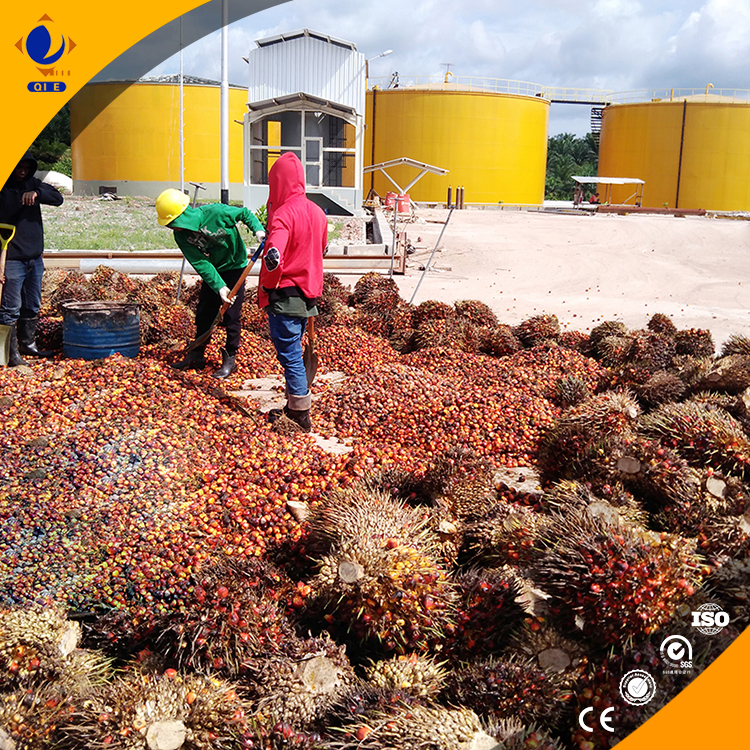
To optimize the oil extraction process, we recommend a segmented heating strategy that matches the moisture content of the raw materials. Different oil - bearing materials have different optimal temperature ranges at various moisture levels. For instance, when the moisture content of soybeans is around 10 - 12%, the first - stage heating temperature should be set at 60 - 70°C to gradually soften the materials. In the second stage, the temperature can be raised to 90 - 100°C to promote oil release.
Matching the heating strategy with the moisture content can improve the oil extraction efficiency by up to 12%. It also helps in maintaining the quality of the oil by reducing the risk of over - heating and subsequent oxidation. By carefully adjusting the temperature according to the moisture content, we can ensure that the oil retains its natural flavor and nutritional value.

Proper sensor placement is crucial for the accurate control of the temperature in the vegetable oil pressing process. Sensors should be placed at key points in the pressing equipment, such as near the heating elements and at the outlet of the pressing chamber. This allows for real - time monitoring of the temperature and ensures that the set temperature parameters are maintained.
When setting the temperature parameters, we need to consider factors such as the type of raw materials, the pressing speed, and the desired oil quality. For example, for rapeseed pressing, the temperature at the pressing chamber should be maintained at 80 - 90°C for optimal oil extraction. Incorrect sensor placement or parameter settings can lead to temperature fluctuations, which may result in a 5 - 10% decrease in oil yield and quality.
In real - world production, we often encounter various problems. For example, in a medium - sized oil mill, an abnormal temperature alarm was triggered due to a sensor malfunction. By referring to our alarm code manual, the operators were able to quickly identify the problem and take corrective actions. The alarm code indicated a sensor failure, and they replaced the sensor within 30 minutes, minimizing the impact on production.
We've compiled a list of common alarm codes and their corresponding solutions based on years of experience. This helps operators to respond quickly to any abnormal situations, ensuring the continuous and stable operation of the pressing equipment.

If you're looking to enhance the efficiency and stability of your vegetable oil pressing process, we invite you to download our 《Temperature Control Settings Self - Check List》 PDF. This comprehensive guide will provide you with all the necessary information and practical tips to optimize your temperature control system.
 423
|
423
|
 Large Screw Press
ZY24 (202-3) Screw Oil Press
High Efficiency Screw Oil Press
Durable Screw Oil Press
Screw Oil Press for Edible Oil
Versatile Oilseed Processing Equipment
Energy Efficient Screw Oil Press
Automatic Control Screw Oil Press
Oil Extraction from Peanuts and Soybeans
Eco-Friendly Oil Press
Large Screw Press
ZY24 (202-3) Screw Oil Press
High Efficiency Screw Oil Press
Durable Screw Oil Press
Screw Oil Press for Edible Oil
Versatile Oilseed Processing Equipment
Energy Efficient Screw Oil Press
Automatic Control Screw Oil Press
Oil Extraction from Peanuts and Soybeans
Eco-Friendly Oil Press
 476
|
screw oil press pre-treatment
oil yield optimization
roasting process control
oilseed processing techniques
cake oil content reduction
476
|
screw oil press pre-treatment
oil yield optimization
roasting process control
oilseed processing techniques
cake oil content reduction
 468
|
6YL - 185 Spiral Hydraulic Press
plant oil processing
oil recovery adjustment
B2B export
professional after-sales service
oil processing flexibility
468
|
6YL - 185 Spiral Hydraulic Press
plant oil processing
oil recovery adjustment
B2B export
professional after-sales service
oil processing flexibility
 289
|
medium-sized spiral oil press
oil extraction equipment
B2B plant oil processing solutions
289
|
medium-sized spiral oil press
oil extraction equipment
B2B plant oil processing solutions
 283
|
small-scale palm oil equipment
customized oil pressing equipment
hot and cold pressing process
environmentally friendly oil pressing equipment
efficient oil production line
283
|
small-scale palm oil equipment
customized oil pressing equipment
hot and cold pressing process
environmentally friendly oil pressing equipment
efficient oil production line