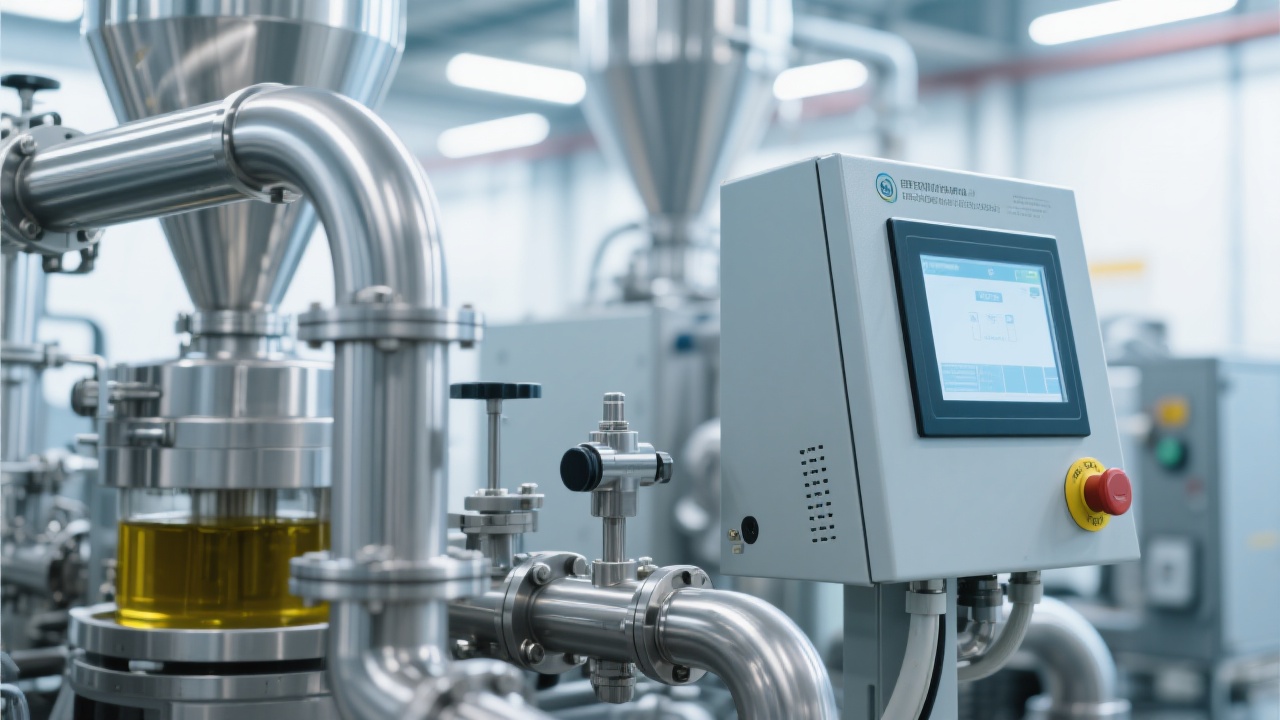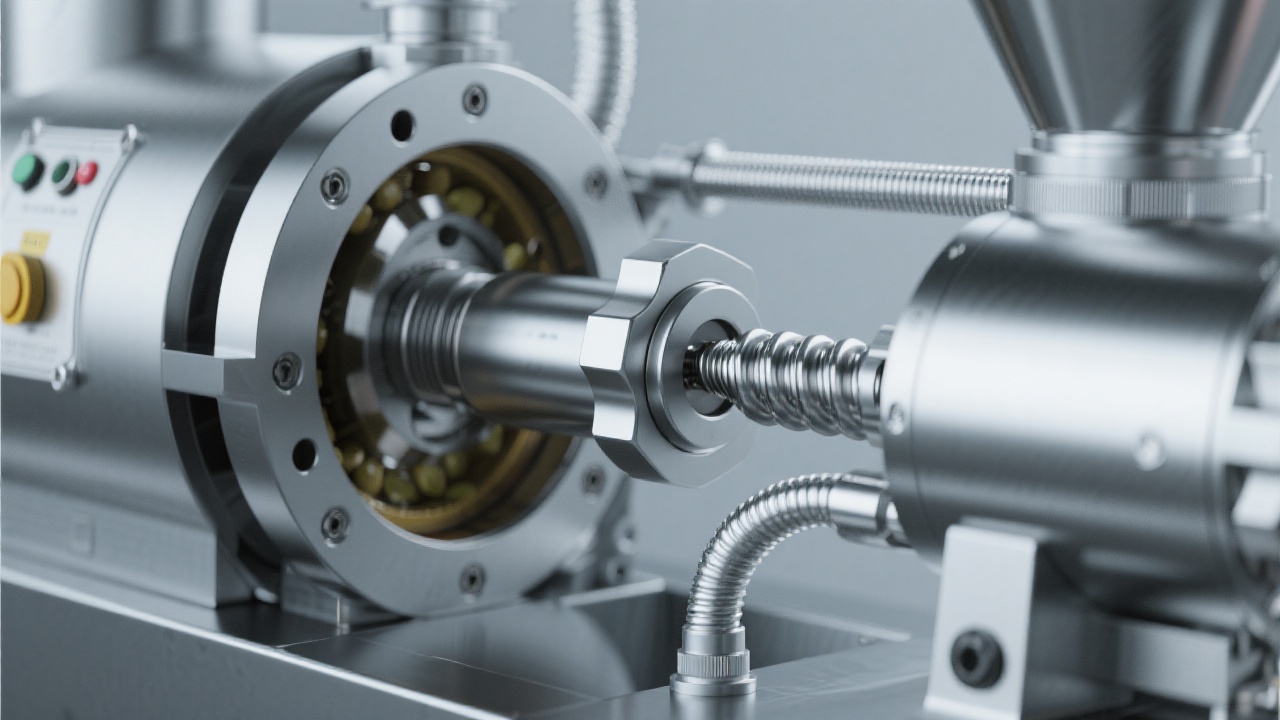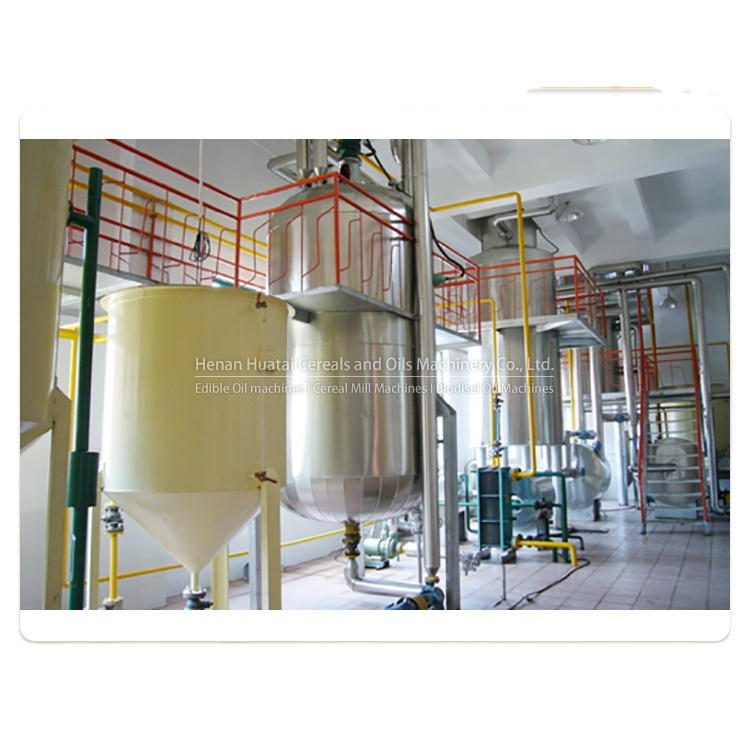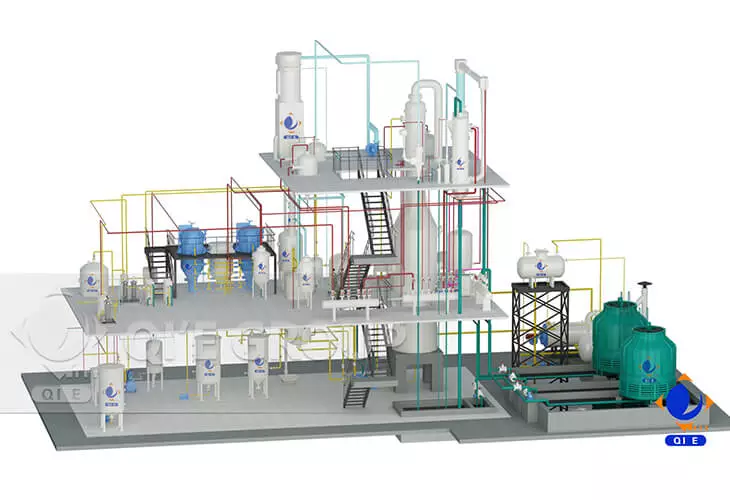
In the vegetable oil processing industry, selecting the right equipment and configuring the appropriate process parameters are crucial for maximizing efficiency and product quality. This guide is designed to help you understand how to match the physical properties of common oilseeds, such as oil content and particle size, with the key parameters of the pressing process, including pressure, temperature, and time.
Different oilseeds, like soybeans, rapeseeds, and cottonseeds, have distinct physical properties that significantly affect the pressing process. For example, soybeans typically have an oil content of around 18 - 22%, while rapeseeds can contain 40 - 46% oil. The particle size also varies, which influences how the oil is released during pressing. Understanding these differences is the first step in optimizing your equipment selection and operation.

The setting and adjustment of pressure, temperature, and time are at the heart of the oil pressing process. Pressure determines the force applied to the oilseeds to extract the oil. Generally, a higher pressure can lead to a higher initial oil extraction rate, but it also needs to be balanced to avoid over - compaction and reduced efficiency. For most oilseeds, an optimal pressure range might be between 20 - 50 MPa.
Temperature plays a vital role in both the fluidity of the oil and the activity of enzymes in the oilseeds. Hot pressing, which usually operates at temperatures between 100 - 120°C, can increase the oil yield by reducing the viscosity of the oil. Cold pressing, on the other hand, is carried out at lower temperatures (below 60°C), which helps preserve the natural flavor and nutritional value of the oil but may result in a lower extraction rate.
The pressing time also needs to be carefully controlled. A longer pressing time can increase the oil yield, but it also increases energy consumption and may affect the quality of the oil. Based on industrial experience, a typical pressing time for common oilseeds ranges from 30 minutes to 2 hours.
It is recommended to create a process parameter对照表 (information chart) to clearly show the optimal settings for different oilseeds under various conditions. This can serve as a quick reference for your daily operations.
Let's compare hot pressing and cold pressing in terms of oil yield, quality stability, and energy consumption. In terms of oil yield, hot pressing can achieve a higher extraction rate, typically around 85 - 90% for most oilseeds, while cold pressing may yield around 70 - 80%. However, cold - pressed oils are often considered to have a better flavor and higher nutritional value due to the lower processing temperature.
In terms of quality stability, hot - pressed oils may be more prone to oxidation and degradation over time, while cold - pressed oils tend to be more stable. Energy consumption is also a significant factor. Hot pressing requires more energy to heat the oilseeds, which can increase production costs.

To illustrate the impact of different parameters on the pressing process, let's look at some real - world case studies. For soybeans, when using a hot - pressing process with a pressure of 30 MPa, a temperature of 110°C, and a pressing time of 1.5 hours, the oil yield can reach up to 88%. In contrast, under cold - pressing conditions with a pressure of 25 MPa and a temperature of 50°C, the oil yield drops to around 75%.
For rapeseeds, a hot - pressing process at 40 MPa, 120°C, and 2 hours can achieve an oil yield of 90%, while cold - pressing at 30 MPa and 40°C may result in a yield of 78%.
During the pressing process, you may encounter some common issues, such as material blockage and uneven pressing. Material blockage can be caused by improper particle size, excessive moisture content, or incorrect pressure settings. To prevent this, ensure that the oilseeds are properly pre - treated, and regularly clean the pressing chamber.
Uneven pressing can lead to inconsistent oil quality and lower overall efficiency. This can be addressed by adjusting the pressure distribution, ensuring uniform feeding, and maintaining the proper alignment of the pressing components.

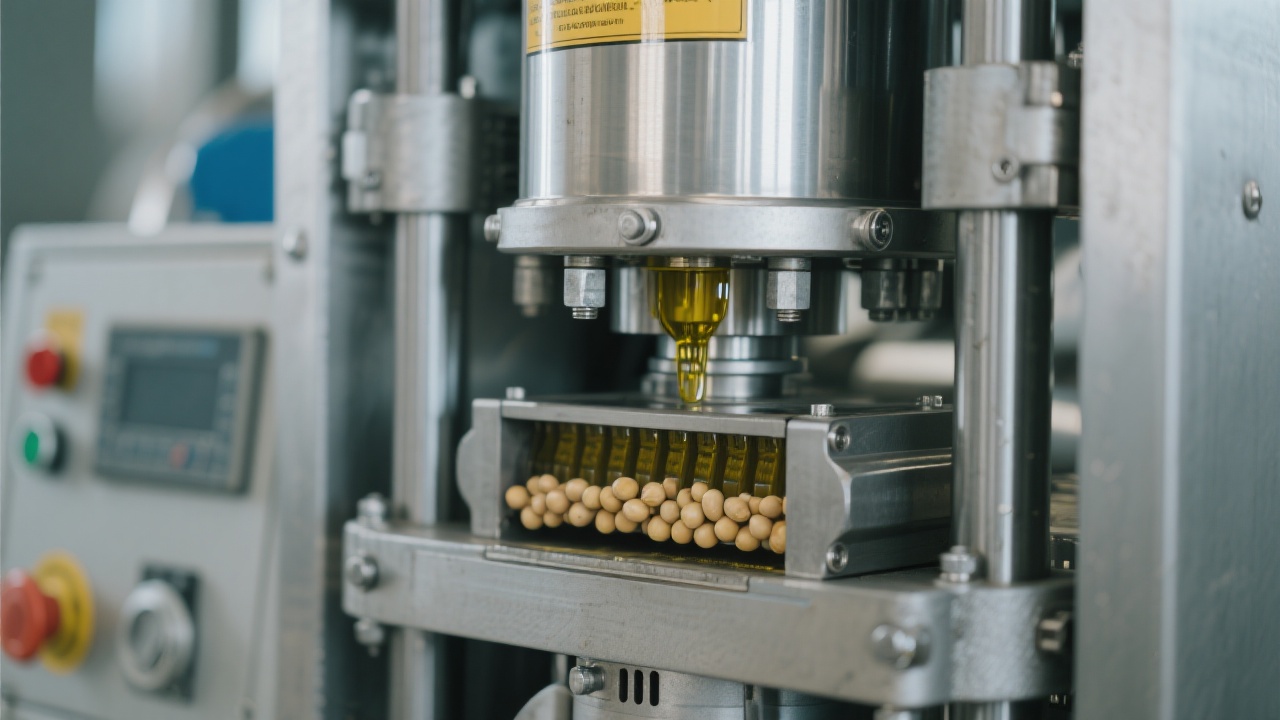
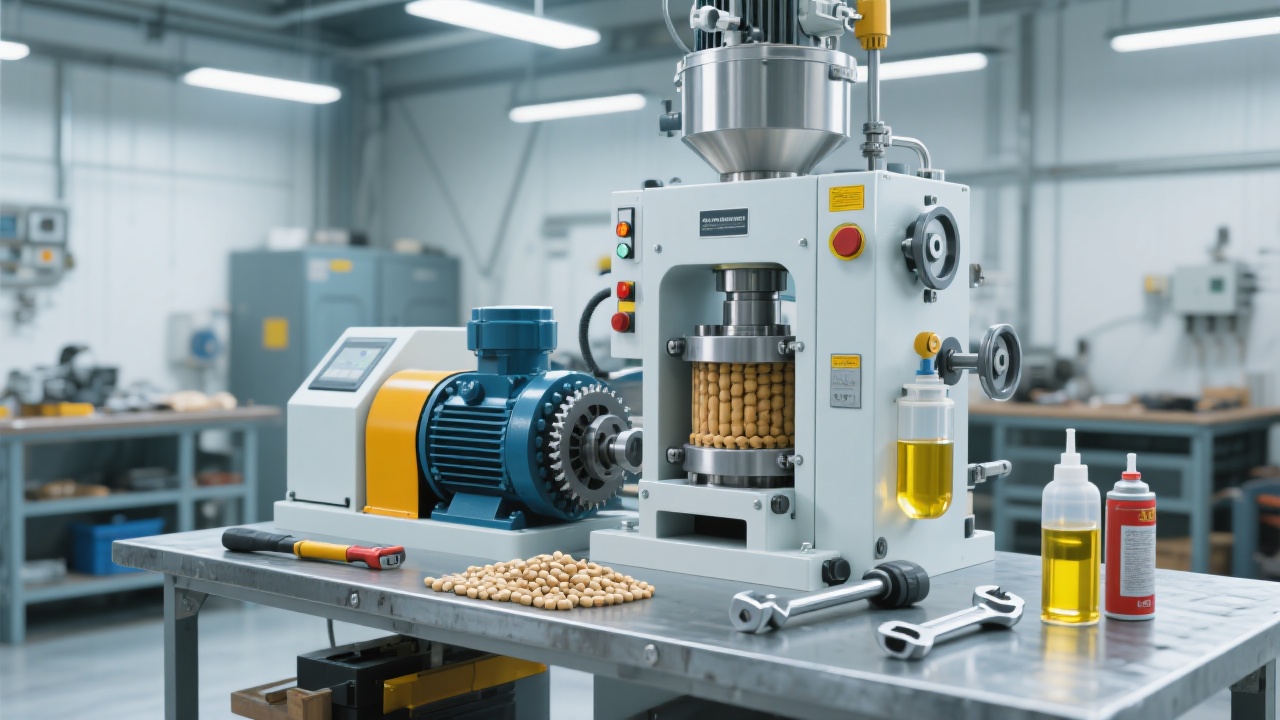
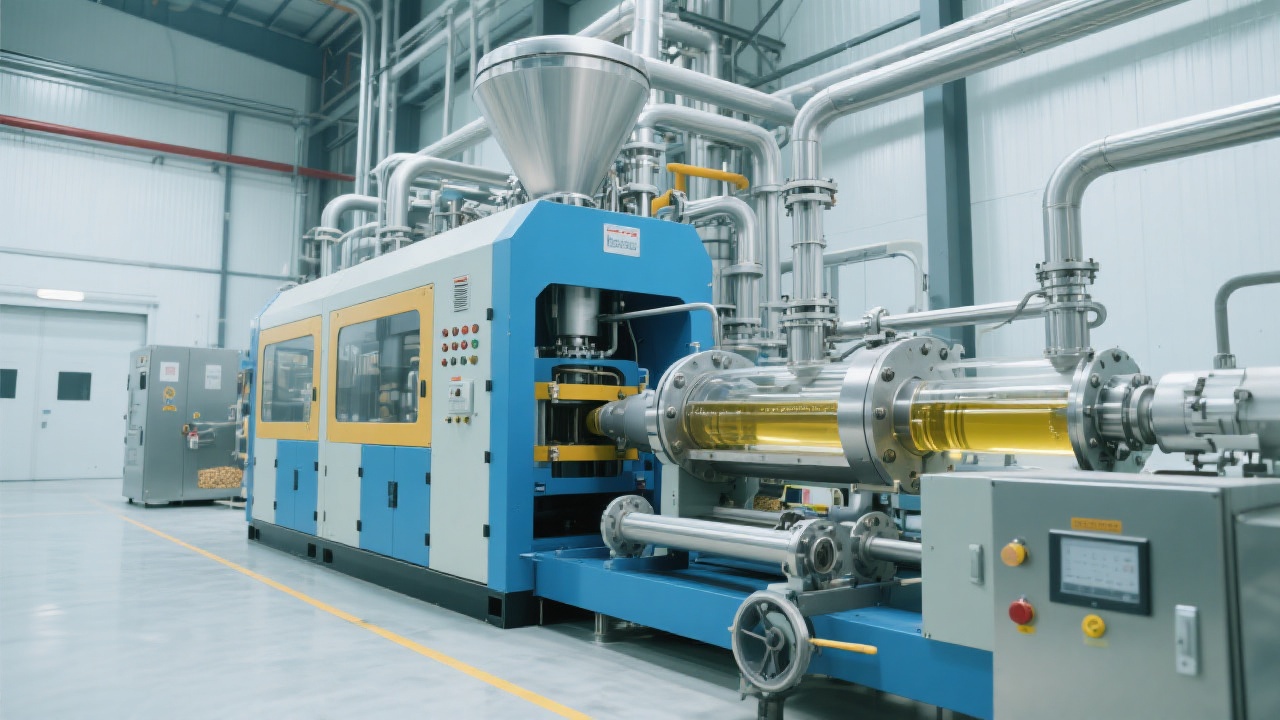
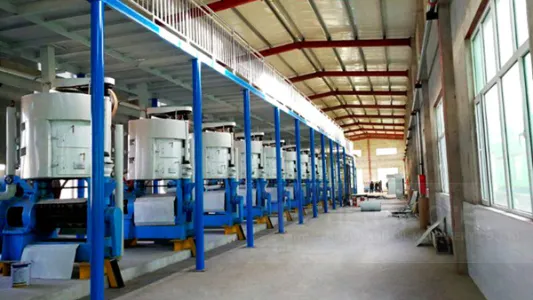
Large - scale hydraulic or pre - presses offer several advantages in vegetable oil processing. They can handle a wide range of oilseeds, from small - sized rapeseeds to larger soybeans, with high stability and efficiency. These presses are designed to provide consistent pressure distribution, which helps improve the oil yield and quality. Additionally, they are often equipped with advanced control systems that allow for precise adjustment of process parameters.
In conclusion, selecting the right vegetable oil processing equipment and configuring the appropriate process parameters are essential for achieving high - quality products and maximizing profitability. By understanding the physical properties of oilseeds, mastering the core process parameters, and learning from real - world case studies, you can make informed decisions and optimize your production line.
Learn more about hydraulic pre - press solutions tailored to your raw material characteristics

 98
|
98
|
 Screw oil press pressing temperature control
Small and medium-sized oil mill equipment selection
Oil quality optimization guide
Application of preheating function in oil presses
Vegetable oil pressing process optimization
Screw oil press pressing temperature control
Small and medium-sized oil mill equipment selection
Oil quality optimization guide
Application of preheating function in oil presses
Vegetable oil pressing process optimization
 264
|
Medium Screw Oil Press for peanuts
Medium Screw Oil Press for soybeans
Medium Screw Oil Press for sunflower seeds
Medium Screw Oil Press for sesame
Medium Screw Oil Press for vegetable oils
Efficient oil press machine
Compact oil pressing equipment
Durable screw oil press
Automatic control oil press
264
|
Medium Screw Oil Press for peanuts
Medium Screw Oil Press for soybeans
Medium Screw Oil Press for sunflower seeds
Medium Screw Oil Press for sesame
Medium Screw Oil Press for vegetable oils
Efficient oil press machine
Compact oil pressing equipment
Durable screw oil press
Automatic control oil press
 332
|
Medium - sized screw oil press
Temperature control parameter differences
Oil pressing temperature
Bean oil pressing
Peanut oil quality control
332
|
Medium - sized screw oil press
Temperature control parameter differences
Oil pressing temperature
Bean oil pressing
Peanut oil quality control
 143
|
medium screw oil press
oilseed pretreatment
material blockage solutions
oilcake oil content optimization
plant oil pressing technology
143
|
medium screw oil press
oilseed pretreatment
material blockage solutions
oilcake oil content optimization
plant oil pressing technology
 279
|
oilseed pre - pressing treatment
screw oil press pretreatment
oil extraction process optimization
oilseed cleaning technology
peanut steaming and roasting temperature control
279
|
oilseed pre - pressing treatment
screw oil press pretreatment
oil extraction process optimization
oilseed cleaning technology
peanut steaming and roasting temperature control