https://shmuker.oss-cn-hangzhou.aliyuncs.com/data/oss/65b068c3c2e9735675cac322/65b46cb67cfeb5177346777c/20240426173741/未标题-1_画板%201.png

Empirical Analysis of Temperature Control Precision in Vegetable Oil Pressing on Oil Clarity and Yield
2025-12-15
QI ' E Group
Solution
Temperature control precision during the vegetable oil pressing process critically influences oil yield and clarity. This study provides an in-depth examination of how precise temperature regulation through accurate preheating minimizes protein denaturation and inhibits lipid oxidation, thereby enhancing both product quality and output. Drawing on frontline operational data, we detail segmented heating strategies, sensor placement optimization, and common alarm handling techniques to support stable, efficient production and extend equipment lifespan. Whether you are new to screw press oil machines or looking to refine existing processes, this analysis offers actionable technical guidance.
https://shmuker.oss-accelerate.aliyuncs.com/data/oss/65b068c3c2e9735675cac322/65b0a486107bc6700293c9bf/20240425111611/石油分馏设备-1.jpg

Precision Temperature Control in Vegetable Oil Pressing: Impact on Oil Clarity and Yield

In vegetable oil extraction, precise temperature control during the pressing process is pivotal for obtaining high oil yields and superior oil clarity. Our engineering team, grounded in extensive field experience and real-time data monitoring, has rigorously studied how temperature precision directly influences both oil quality and operational efficiency. This article outlines the practical insights and advanced control strategies needed to optimize pressing outcomes using spiral oil press machinery.

Common Challenges from Inaccurate Temperature Regulation

A frequent cause of reduced oil yield and diminished product quality stems from suboptimal temperature settings. Insufficient control often leads to:

  • Cloudy or turbid oil due to protein denaturation and improper emulsification
  • Lower extraction rates from incomplete oil release
  • Excessive equipment alarms caused by uneven heating or sensor malfunctions

For example, temperature fluctuations beyond ±5°C commonly result in visibly less clear oils and a yield decrease of up to 8%, impacting processing profitability and customer satisfaction.

Thermal Mechanisms Affecting Oil Quality

Temperature acts as a critical variable influencing the physical and chemical transformations during pressing:

  • Protein Structure: Excessive heat causes protein denaturation, which destabilizes the oil-water emulsion leading to turbidity.
  • Emulsion Stability: Optimal heating maintains emulsion balance, resulting in higher clarity oils.
  • Lipid Oxidation: Temperature control minimizes oxidative degradation, preserving flavor and shelf life.

Based on lab analyses, maintaining temperature control within ±1°C reduces peroxide values significantly compared to ±5°C ranges, directly correlating with improved oil oxidative stability.

Recommended Temperature Control Strategies by Raw Material Moisture

We advocate a segmented heating approach adapted to the moisture content of the input seeds or nuts. For instance:

  • For Peanuts with Moisture > 8%: Increase preheating temperature by 5-7°C above baseline to compensate for moisture absorption and ensure proper oil release.
  • Low-Moisture Seeds (Below 6%): Moderate temperature to avoid over-drying and protein over-denaturation.

Deploying precise sensor placement is equally crucial. Position temperature sensors near the pressing chamber inlet, midway along the screw shaft, and at the exit to detect gradients and promptly correct deviations.

Temperature Control Parameters Guide (°C):
Raw Material Moisture Preheat Temp. Range Optimal Control Precision Expected Yield Improvement
> 8% 110 - 115 ±1°C +5-7%
6% - 8% 105 - 110 ±1.5°C +3-5%
< 6% 100 - 105 ±2°C +2-4%

Handling Common Temperature Alarms

Our field teams have identified typical alarm triggers related to temperature control and compiled responsive handling procedures:

  • Alarm Code T-101: Temperature Fluctuation ±3°C+
    Immediate Action: Inspect heating element seals for leaks or damage; recalibrate temperature sensors.
  • Alarm Code T-204: Sensor Disconnection
    Immediate Action: Replace faulty sensors; verify wiring integrity and control panel diagnostics.
  • Alarm Code T-303: Overheat Warning (above 120°C)
    Immediate Action: Initiate emergency stop; conduct thermal system audit before resuming.

These alarm codes serve as a first line of defense, enabling operators to maintain process stability and avoid costly downtimes.
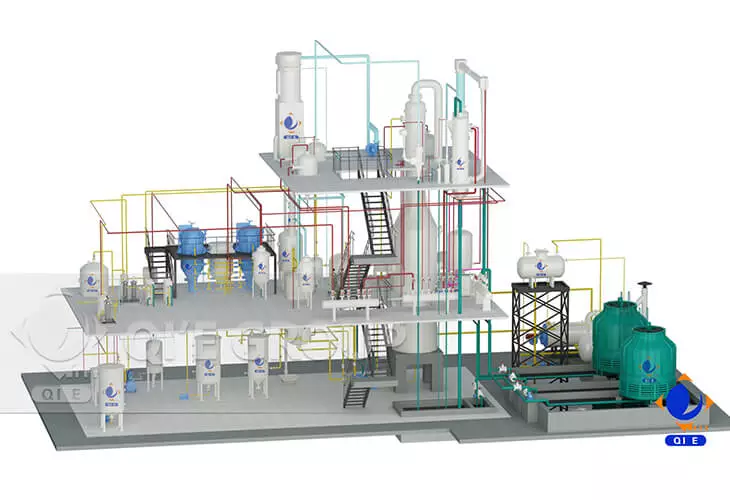
Sensor placement and segmented heating zones in spiral oil press machine for optimal temperature control

Integrating Precision Temperature Control Into Competitive Strategy

Temperature management transcends mere operational settings — it directly impacts final product competitiveness by ensuring superior clarity and maximizing yield. Investing in advanced control systems and training not only enhances production efficiency but also elevates brand credibility in a saturated market.

Empowered by practical checklists and diagnostic tools, operators can confidently sustain quality benchmarks. Our team’s compiled Temperature Control Self-Check List offers a step-by-step framework to monitor, troubleshoot, and optimize pressing temperatures effectively.


Download Your Practical Temperature Control Toolkit Now

Recommended Products
Hot Products
Contact us
Contact us
https://shmuker.oss-cn-hangzhou.aliyuncs.com/tmp/temporary/60ec5bd7f8d5a86c84ef79f2/60ec5bdcf8d5a86c84ef7a9a/thumb-prev.png
