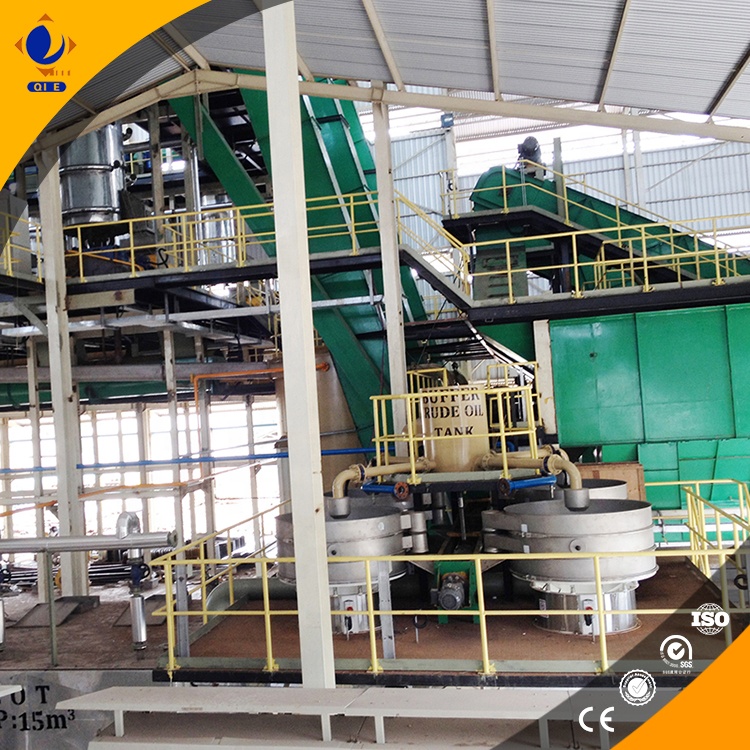
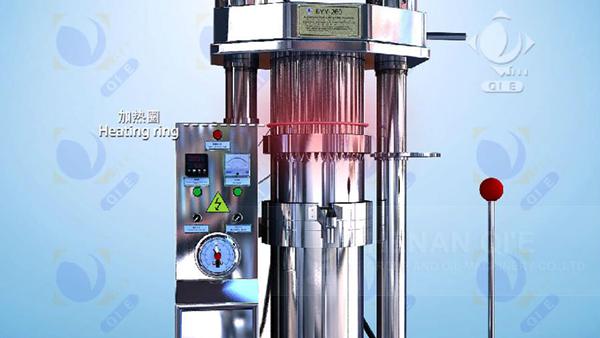
Understanding the pivotal role of temperature control in plant oil pressing is essential for manufacturers aiming to enhance oil clarity and yield. In this article, I delve into how precision temperature regulation impacts protein denaturation and lipid oxidation, supported by empirical data comparing ±1℃ and ±5℃ control accuracies.
Temperature management during oil extraction profoundly affects biochemical reactions in the material. When temperatures fluctuate beyond optimal ranges, proteins undergo excessive denaturation, and oils experience accelerated oxidation — both detrimental to oil clarity and quality. Maintaining tight temperature control minimizes these effects, preserving valuable components and ensuring a clearer final product.
To quantify the influence of temperature precision, I analyzed production data from multiple mid-sized oil pressing facilities operating with two temperature control precisions: ±1℃ (high-precision PID controllers) and ±5℃ (basic on/off control). Key findings include:
These metrics highlight how seemingly small improvements in temperature accuracy translate into significant product quality and production efficiency gains.
Effective temperature regulation relies on a stable control loop and strategic sensor positioning. The most common temperature control modes include:
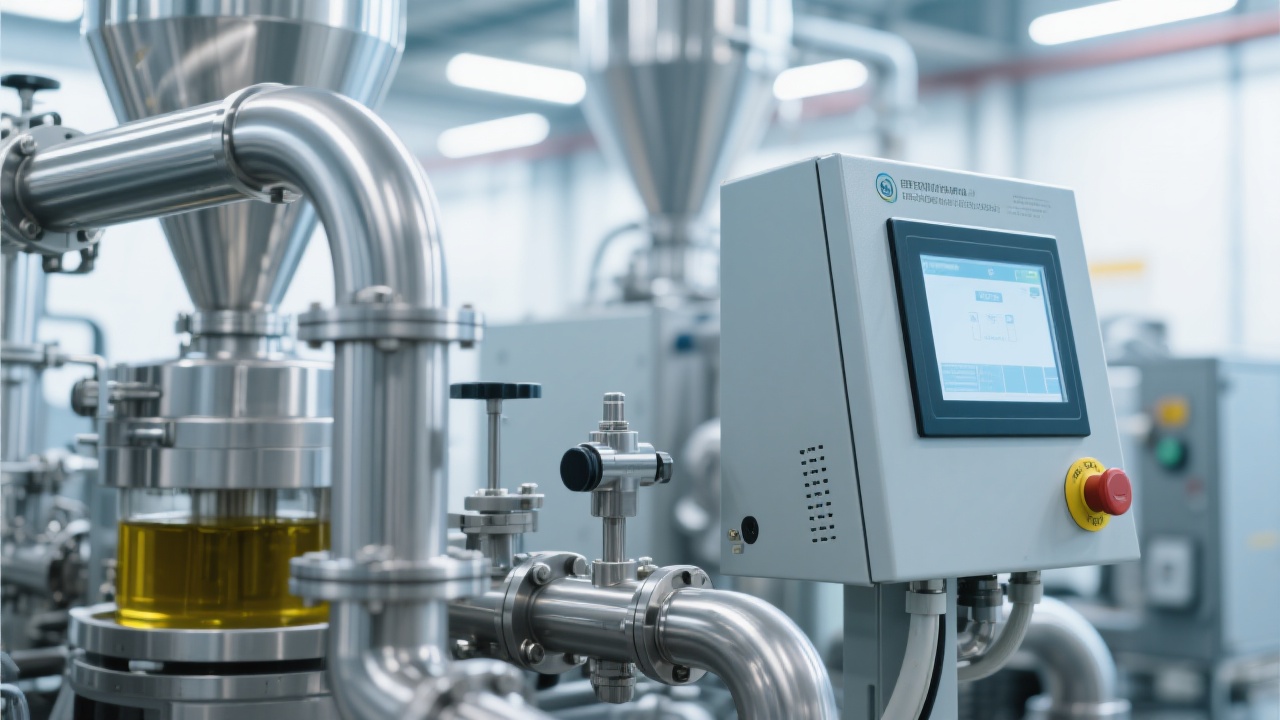
Regarding sensor installation, positioning temperature sensors directly in the pressing chamber or oil outlet zones enables real-time, accurate thermoregulation. A best practice is to place at least two sensors: one adjacent to the raw material feed and another near the press output. This dual-sensor setup allows adaptive control responding to fluctuations in feedstock conditions.
Moisture content in raw oilseeds dramatically affects thermal exchange and protein behavior during pressing. Higher moisture necessitates slightly lower pressing temperatures to avoid excessive steam formation and protein denaturation. I recommend the following practical guidance:
| Moisture Content (%) | Recommended Pressing Temperature (℃) |
|---|---|
| 8-10 | 90-95 |
| 11-13 | 85-90 |
| 14-16 | 80-85 |
Aligning temperature with moisture levels ensures optimized enzymatic and physical reactions during extraction.
Even with high-precision systems, temperature control anomalies can arise. Typical alarm triggers include sensor malfunction, heater failure, or excessive feed moisture causing overheating. Below is a proven troubleshooting workflow:
Incorporating an operator manual with illustrated flowcharts and case study examples significantly reduces downtime and improves process reliability.
Equip your oil pressing operation with proven temperature control insights — Download the Free Temperature Control Setup Self-Check Checklist to ensure peak oil clarity and yield.
Having spent over a decade overseeing oil pressing lines, I can attest that investing in temperature control precision pays dividends. The move from ±5℃ to ±1℃ accuracy is more than a technical upgrade; it’s an operational transformation. Small adjustments in sensor positioning and moisture-based temperature tweaks make the system resilient in diverse raw material scenarios. Meanwhile, structured alarm management ensures consistent quality without surprises. These practical steps empower mid-sized oil producers to deliver premium oils, strengthening their brand reputation and competitiveness in an increasingly quality-driven market.
 317
|
317
|
 plant oil expeller temperature control
oil quality optimization
spiral oil press temperature management
temperature regulation in oil extraction
oil processing efficiency
plant oil expeller temperature control
oil quality optimization
spiral oil press temperature management
temperature regulation in oil extraction
oil processing efficiency
 298
|
efficient plant oil production solutions
customized seed preprocessing equipment
comprehensive after-sales support
298
|
efficient plant oil production solutions
customized seed preprocessing equipment
comprehensive after-sales support
 235
|
Oilseed pressing pretreatment
Screw oil press pretreatment
Optimization of oil pressing process
Oilseed cleaning technology
Peanut steaming temperature control
235
|
Oilseed pressing pretreatment
Screw oil press pretreatment
Optimization of oil pressing process
Oilseed cleaning technology
Peanut steaming temperature control
 224
|
Oilseed pre - extraction treatment
Screw oil press pretreatment
Oil extraction process optimization
Rapeseed pretreatment precautions
Peanut steaming temperature control
224
|
Oilseed pre - extraction treatment
Screw oil press pretreatment
Oil extraction process optimization
Rapeseed pretreatment precautions
Peanut steaming temperature control
.jpg?x-oss-process=image/resize,h_300,m_lfit/format,webp) 346
|
screw oil press optimization
rapeseed oil extraction
peanut pressing parameters
small oil mill technology
continuous oil press adjustment
346
|
screw oil press optimization
rapeseed oil extraction
peanut pressing parameters
small oil mill technology
continuous oil press adjustment