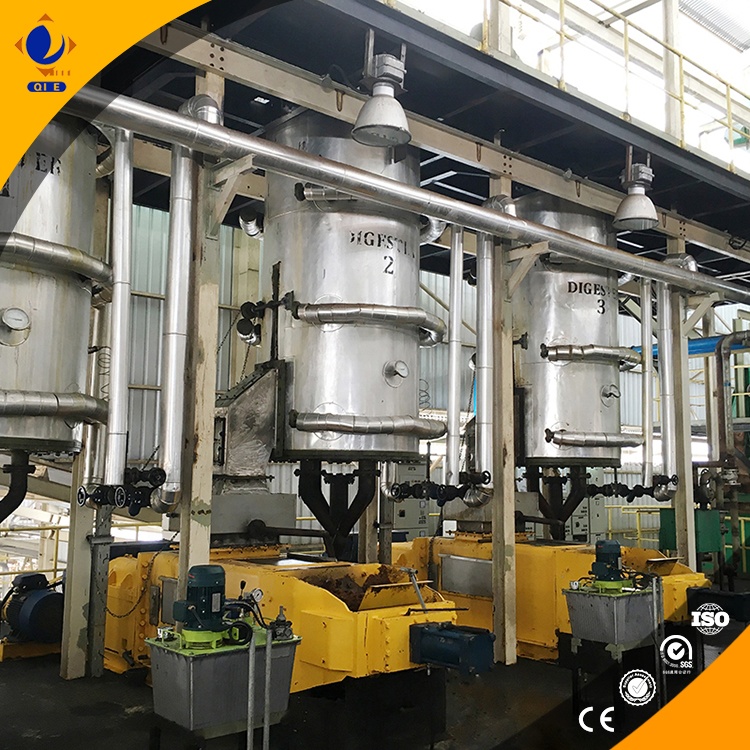
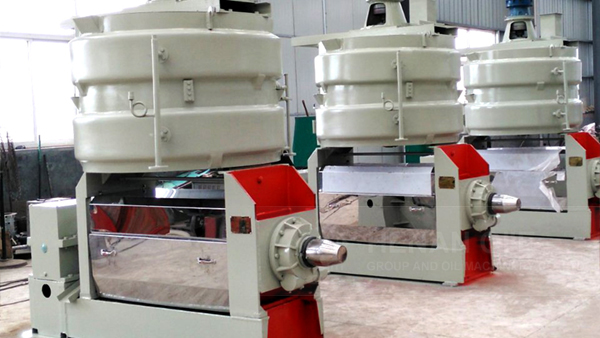
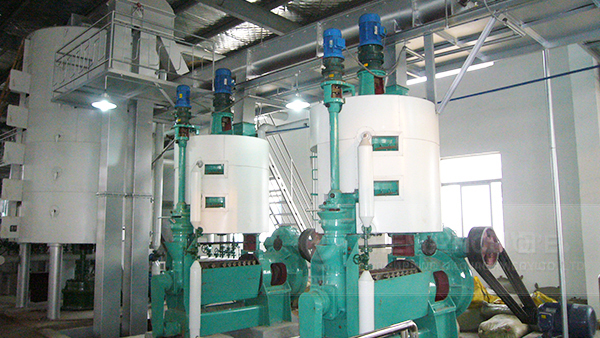
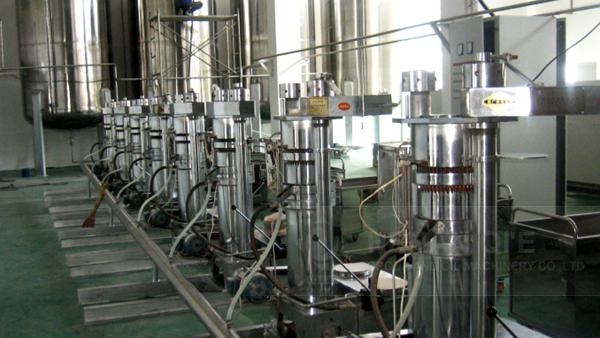
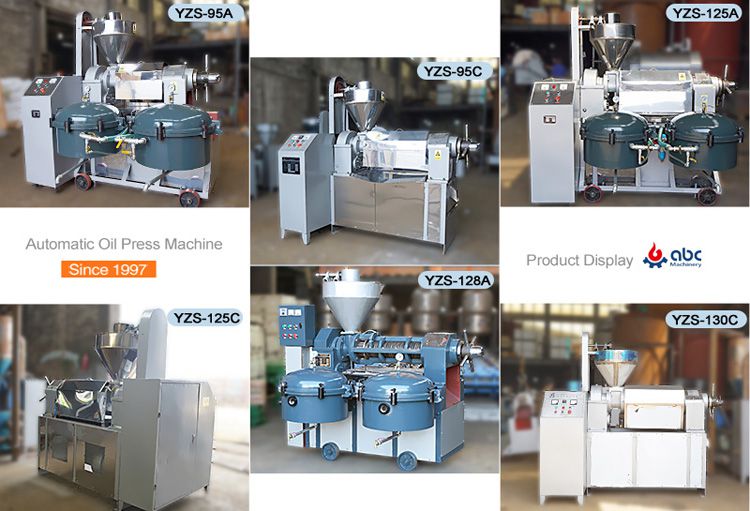
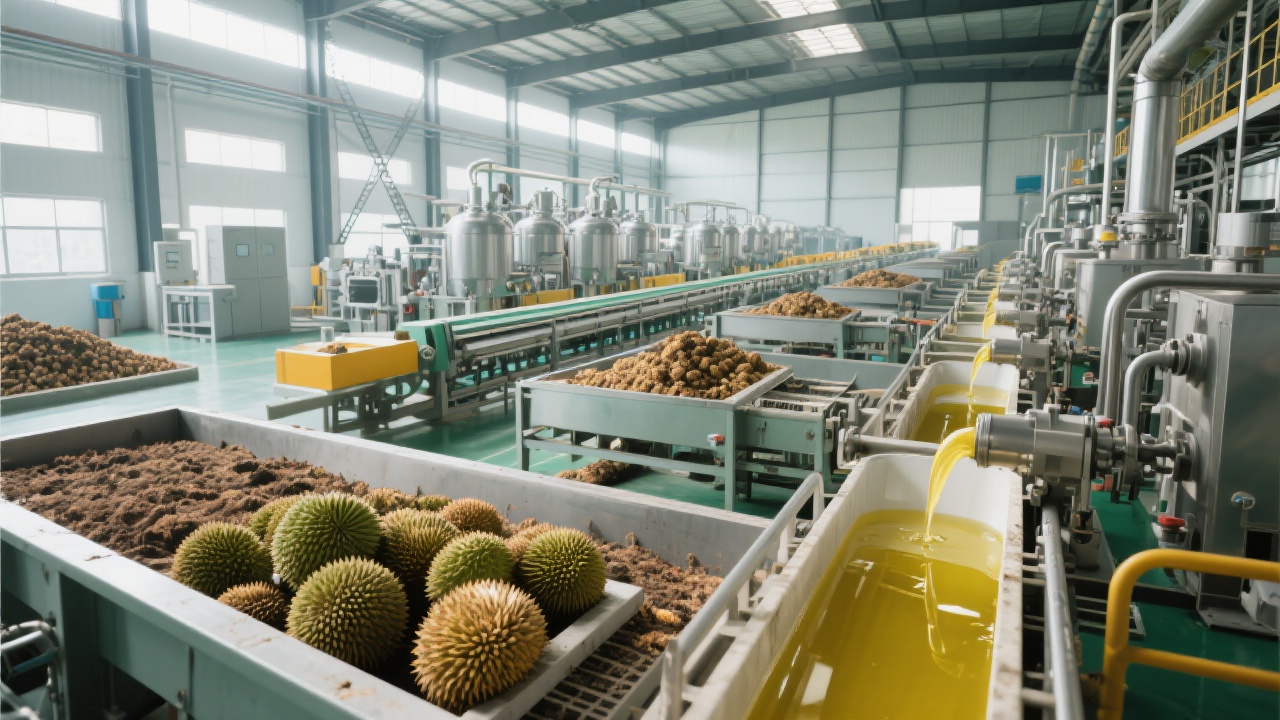
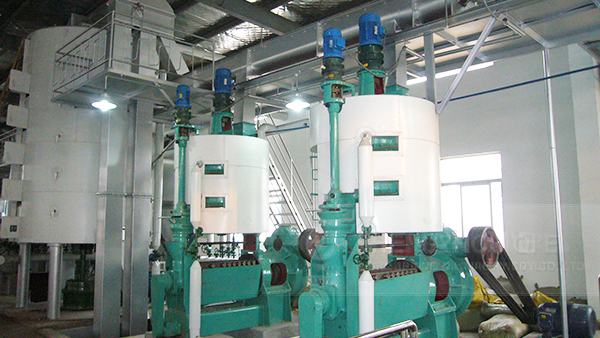
In the field of oil extraction, the medium-sized screw oil press is a widely used piece of equipment. However, different raw materials, such as beans and peanuts, require distinct temperature control parameters during the pressing process. This article will delve into these differences and their impacts on the quality and consistency of oil products.
The temperature control system of the medium-sized screw oil press plays a crucial role in determining the quality and yield of the oil. By controlling the heating temperature and heat distribution, it can significantly affect protein denaturation and the overall quality of the oil. For example, when the temperature is too high, protein denaturation may occur too quickly, leading to a decrease in oil clarity and a change in flavor. On the other hand, if the temperature is too low, the oil yield may be reduced.
According to industry research, for bean oil extraction, maintaining a temperature between 100 - 110°C can effectively reduce protein denaturation and improve oil clarity. In contrast, for peanut oil extraction, a temperature range of 120 - 130°C is more suitable to ensure a high oil yield and stable flavor. These temperature ranges are based on the different moisture contents and compositions of beans and peanuts.
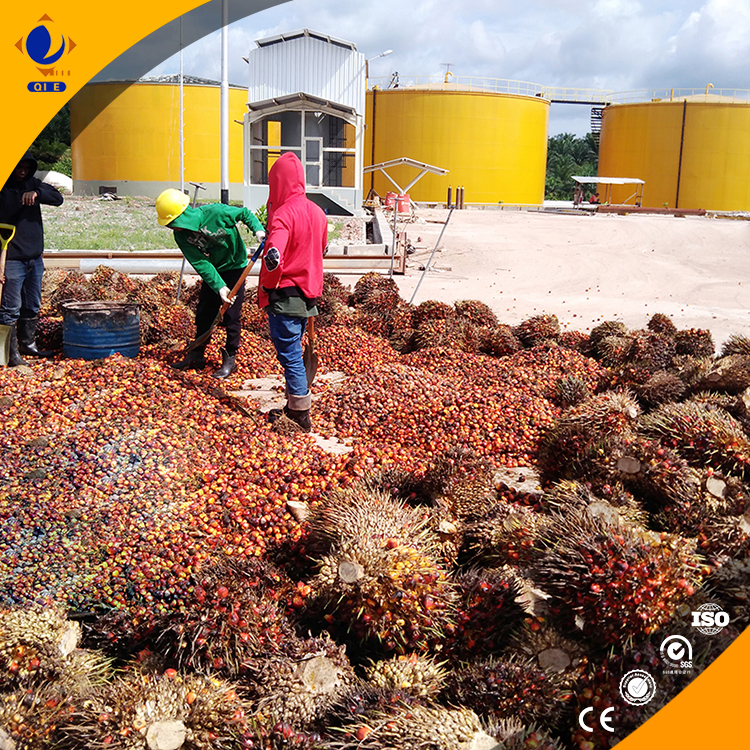
Beans and peanuts have significant differences in moisture content and composition. Beans generally have a higher moisture content, which requires more careful temperature control during the pressing process. If the temperature is not properly adjusted, the excess moisture can cause problems such as mildew and poor oil quality.
Peanuts, on the other hand, have a higher oil content and a different composition of fatty acids. This means that they need a different temperature control strategy to optimize the oil extraction process. By understanding these differences, operators can scientifically adjust the temperature control parameters to ensure the stability and consistency of the oil quality.

The layout and monitoring of temperature sensors are essential for accurate temperature control. In the medium-sized screw oil press, temperature sensors are usually placed at key positions to monitor the temperature changes in real - time. For example, sensors can be installed at the inlet and outlet of the heating chamber, as well as inside the pressing chamber.
By referring to the flowchart and sensor position diagram, operators can better understand the temperature distribution in the equipment and take timely measures to adjust the temperature. This not only improves the accuracy of temperature control but also enhances the overall production efficiency.

In addition to theoretical knowledge, practical operation skills are also crucial for the production process. Experienced front - line operators can provide valuable insights into temperature control. For example, they can adjust the temperature based on the actual production situation, such as the type of raw materials, the production volume, and the ambient temperature.
Moreover, when abnormal alarm codes appear, operators need to be able to diagnose and solve the problems in a timely manner. This article provides a detailed diagnostic plan for common alarm codes, which can help operators improve production stability and extend the service life of the equipment.
This article serves as a comprehensive guide for temperature control in the oil extraction process. Whether you are a small - or medium - sized oil factory or an export - oriented enterprise, the information provided here can help you achieve more efficient, stable, and sustainable production. For more in - depth guidance on temperature control settings, click here to download the Temperature Control Settings Self - Check List.

 468
|
468
|
 6YL - 185 Spiral Hydraulic Press
plant oil processing
oil recovery adjustment
B2B export
professional after-sales service
oil processing flexibility
6YL - 185 Spiral Hydraulic Press
plant oil processing
oil recovery adjustment
B2B export
professional after-sales service
oil processing flexibility
 355
|
Medium-sized screw oil press
Multi-vegetable oil pressing equipment
Efficient and energy-saving oil press
Oil processing equipment
B2B foreign trade export equipment
355
|
Medium-sized screw oil press
Multi-vegetable oil pressing equipment
Efficient and energy-saving oil press
Oil processing equipment
B2B foreign trade export equipment
 443
|
screw press for oil extraction
secondary pressing process
solvent extraction vs mechanical pressing
oilseed processing efficiency
continuous oil pressing system
443
|
screw press for oil extraction
secondary pressing process
solvent extraction vs mechanical pressing
oilseed processing efficiency
continuous oil pressing system
 94
|
QIE oil pressing equipment
advanced oil extraction technology
ISO9001 certified oil equipment
high-efficiency oil production machinery
environmentally friendly oil processing
reliable oil extraction solutions
patented oil equipment design
one-stop oil production solutions
global oil industry equipment supplier
agriculture oil processing machinery
94
|
QIE oil pressing equipment
advanced oil extraction technology
ISO9001 certified oil equipment
high-efficiency oil production machinery
environmentally friendly oil processing
reliable oil extraction solutions
patented oil equipment design
one-stop oil production solutions
global oil industry equipment supplier
agriculture oil processing machinery
 128
|
screw oil press
multifunctional oil extraction machine
B2B export oil press
128
|
screw oil press
multifunctional oil extraction machine
B2B export oil press