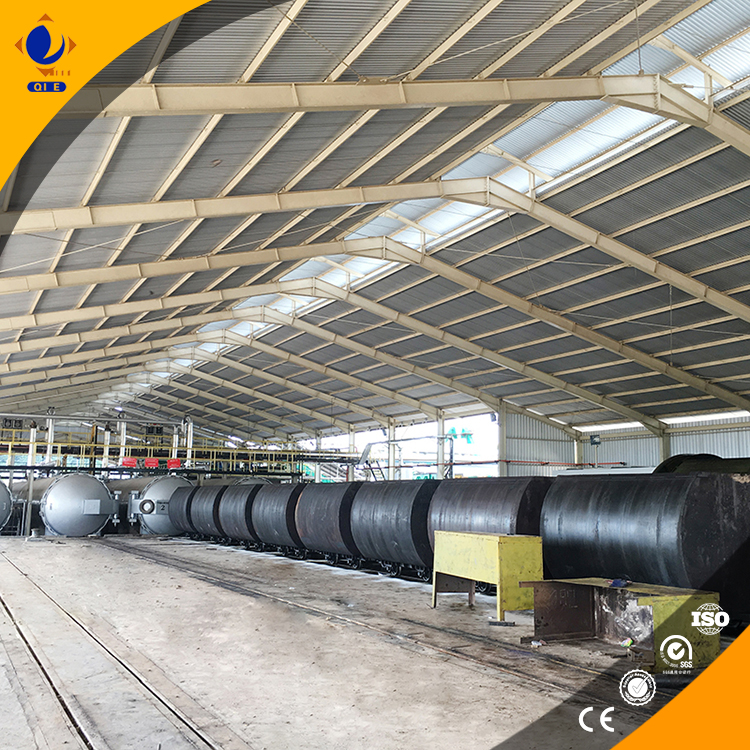
The preprocessing of oilseeds profoundly impacts the efficiency and quality of subsequent oil extraction operations, particularly in the context of medium-sized spiral oil presses widely used by small and medium oil mills. This article delves into the critical differences in preprocessing sunflower seeds and sesame, emphasizing how tailored approaches—from cleaning and crushing to steaming and roasting—optimize extraction rates and oil quality. Combining detailed technical insights with real-world case studies, this analysis underlines essential equipment adaptation strategies, aiming to empower oil producers to maximize their machinery performance and meet consistent export-grade standards.
Effective cleaning is paramount to minimize impurities such as dust, stones, stalk fragments, and foreign seeds, which adversely affect press performance and oil purity. In sunflower seed processing, the presence of husk fragments demands robust screening and aspiration systems. Studies indicate that impurity content below 2% can increase press efficiency by approximately 8-10%. Conversely, sesame seeds, with their smaller size and hull adherence, require finer mesh sieves and air classifiers to ensure seed integrity without excessive breakage.
Particle size after crushing significantly influences oil yield. For sunflower seeds, a uniform crushing granularity with an average particle diameter between 1.5 to 3 mm is recommended to balance efficient oil release and prevent clogging. Research demonstrates that optimizing crush size can elevate oil yield by up to 5%. Sesame seeds, due to their smaller dimensions and higher oil content, require finer crushing—typically 1.0 to 1.8 mm—to expose sufficient surface area without pulverizing the hull, which can complicate filtration.
Steaming temperature and moisture adjustment during roasting are critical to improve seed malleability and enzymatic activity, enhancing oil extractability. For sunflower seeds, steaming at 98°C with a moisture content of approximately 7-8% strikes an optimal balance, helping to rupture oil cells while preserving oil quality. In contrast, sesame seeds require a roasting temperature range of 130-140°C with moisture levels maintained around 6% to unlock flavor profiles without degrading oil stability. Variations outside these parameters often result in yield losses ranging from 3-6% and deteriorated oil taste.
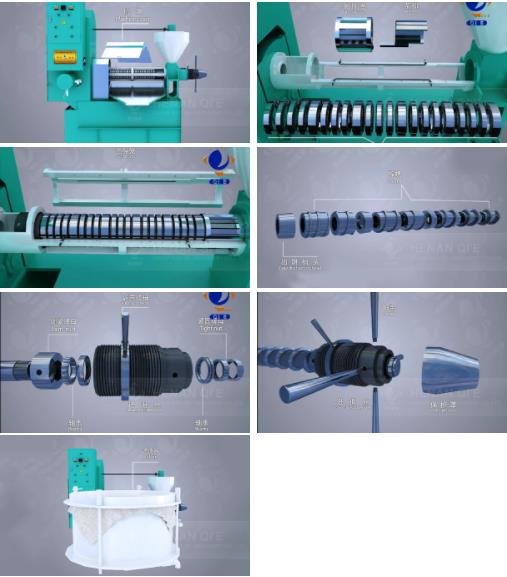
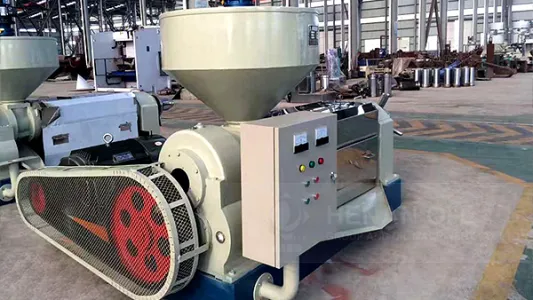
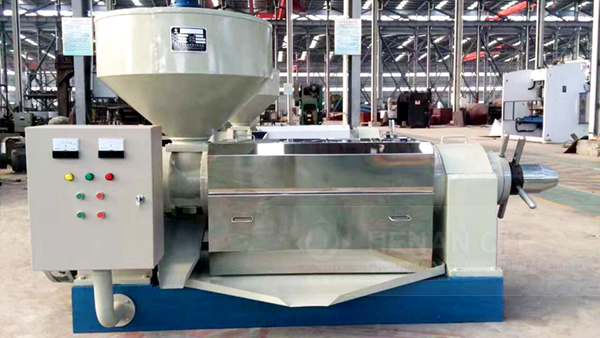
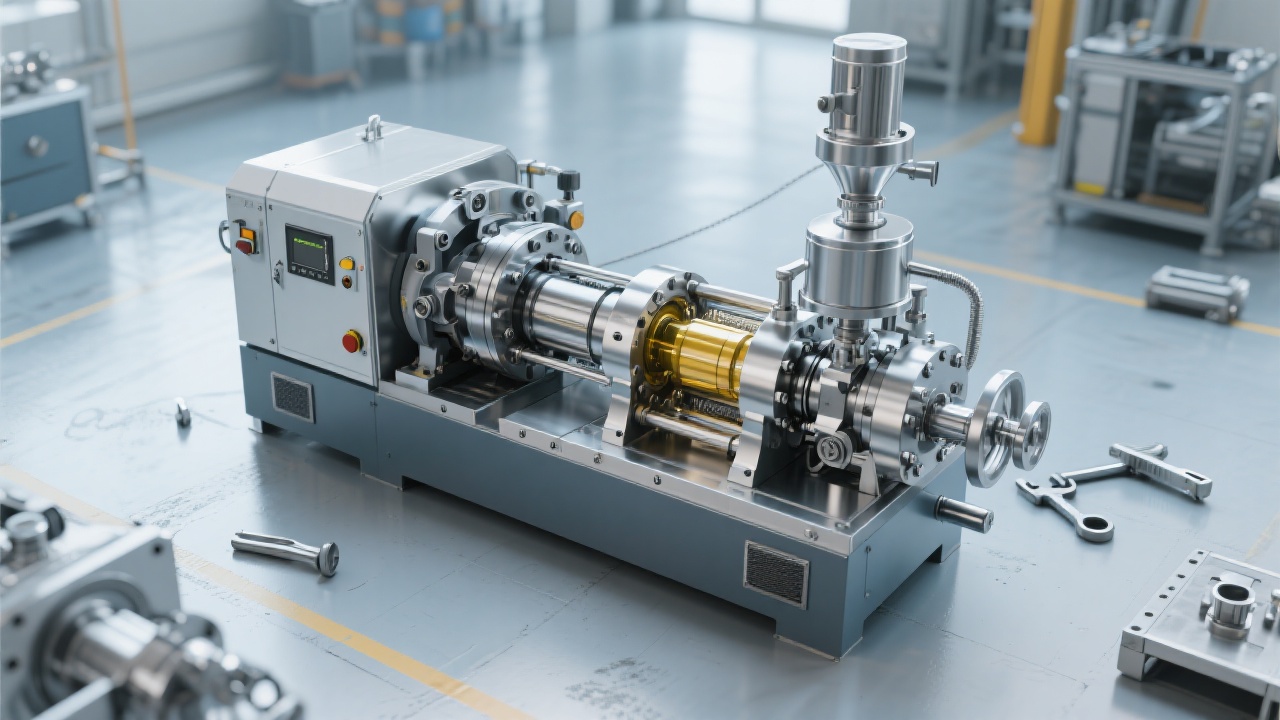
Medium-sized spiral oil presses’ design features—such as continuous seed feeding mechanisms and integrated temperature control systems—enable precise handling of differing raw material characteristics. The spiral shaft ensures steady material flow, reducing back-mixing and localized overheating, which is especially beneficial for sesame seeds that require gentle handling due to their oily and fragile hulls. Temperature sensors integrated within the press regulate discharge temperatures, helping maintain oil quality and preventing thermal degradation. Adoption of these presses has demonstrated up to 12% improvement in operational throughput for sunflower seeds and a 10% increase in oil purity for sesame.
A mid-sized oil mill in Eastern Europe optimized their soybean and sunflower seed processing by implementing differentiated crushing settings and introducing variable steaming cycles, resulting in a 7% oil yield increase over six months. Similarly, a sesame processor in South Asia integrated precise roasting time controls, reducing burnt oil incidents by 25% and enhancing flavor consistency.
Typical challenges include excessive seed breakage, uneven roasting, and inconsistent moisture control. Recommended mitigations involve:
Establishing clear protocols—customized per raw material type—improves process reproducibility. Developing SOPs (Standard Operating Procedures) incorporating key parameters such as feed rate, crush size, steaming duration, and temperature thresholds enhances operational consistency. Mid-sized oil mills that implemented such process standardization reported a reduction in production downtime by 15% and an overall process efficiency gain of 10%.
| Parameter | Sunflower Seed | Sesame Seed |
|---|---|---|
| Cleaning impurity rate | < 2% | < 1.5% |
| Crushed particle size | 1.5 – 3.0 mm | 1.0 – 1.8 mm |
| Steaming / roasting temp. | ~98°C steaming | 130 – 140°C roasting |
| Moisture content post-treatment | 7% – 8% | ~6% |

 54
|
54
|
 multifunctional peanut oil refining equipment
eco-friendly oil refining technology
small oil mill equipment solutions
multifunctional peanut oil refining equipment
eco-friendly oil refining technology
small oil mill equipment solutions
 226
|
seed preprocessing production line
customized oilseed processing equipment
plant oil production solutions
385
|
oilseed pretreatment production line benefits
customized oilseed processing machinery
comprehensive service for oil extraction equipment
226
|
seed preprocessing production line
customized oilseed processing equipment
plant oil production solutions
385
|
oilseed pretreatment production line benefits
customized oilseed processing machinery
comprehensive service for oil extraction equipment
 142
|
6YL-185 Spiral Hydraulic Press
6YL-185 Screw Oil Press
6YL-185 Hydraulic Oil Press
6YL-185 Oil Extraction Machine
6YL-185 Petroleum Equipment
6YL-185 Vegetable Oil Press
6YL-185 Oil Processing Equipment
6YL-185 High Oil Yield Press
6YL-185 Easy Maintenance Press
142
|
6YL-185 Spiral Hydraulic Press
6YL-185 Screw Oil Press
6YL-185 Hydraulic Oil Press
6YL-185 Oil Extraction Machine
6YL-185 Petroleum Equipment
6YL-185 Vegetable Oil Press
6YL-185 Oil Processing Equipment
6YL-185 High Oil Yield Press
6YL-185 Easy Maintenance Press
 324
|
Multifunctional Spiral Hot And Cold Oil Press
Oil extraction machine Multifunctional Spiral Press
High efficiency oil press Multifunctional Spiral
Hot and cold oil press Multifunctional Spiral
Durable Multifunctional Spiral Oil Press
Versatile oil press Multifunctional Spiral
User-friendly Multifunctional Spiral Oil Press
Eco-friendly Multifunctional Spiral Hot And Cold Press
Cost-effective oil extraction Multifunctional Spiral Press
Precision engineering Multifunctional Spiral Oil Press
324
|
Multifunctional Spiral Hot And Cold Oil Press
Oil extraction machine Multifunctional Spiral Press
High efficiency oil press Multifunctional Spiral
Hot and cold oil press Multifunctional Spiral
Durable Multifunctional Spiral Oil Press
Versatile oil press Multifunctional Spiral
User-friendly Multifunctional Spiral Oil Press
Eco-friendly Multifunctional Spiral Hot And Cold Press
Cost-effective oil extraction Multifunctional Spiral Press
Precision engineering Multifunctional Spiral Oil Press






.jpg)