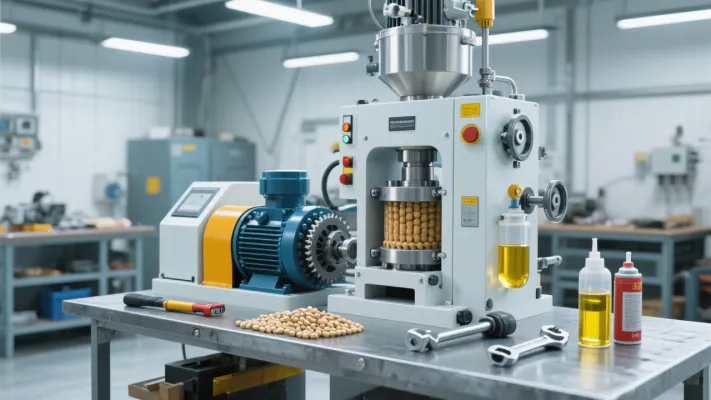
In the oil processing industry, the pre - treatment process before oil extraction is a critical step that directly impacts the efficiency of equipment and the quality of the final product. This article delves into the standardized operation process of oil pre - treatment, offering practical guidance and valuable insights for both industry veterans and newcomers.
The pre - treatment of oil mainly includes several key steps: raw material cleaning, impurity removal, crushing, steaming, and tempering. Each step has its own unique requirements and significance.
The first step is to clean the raw materials, removing dirt, stones, and other impurities. For example, in a large - scale oil processing plant, by using advanced cleaning equipment, the impurity rate of raw materials can be reduced from about 5% to less than 1%. This not only protects the subsequent processing equipment from damage but also improves the quality of the final oil product.
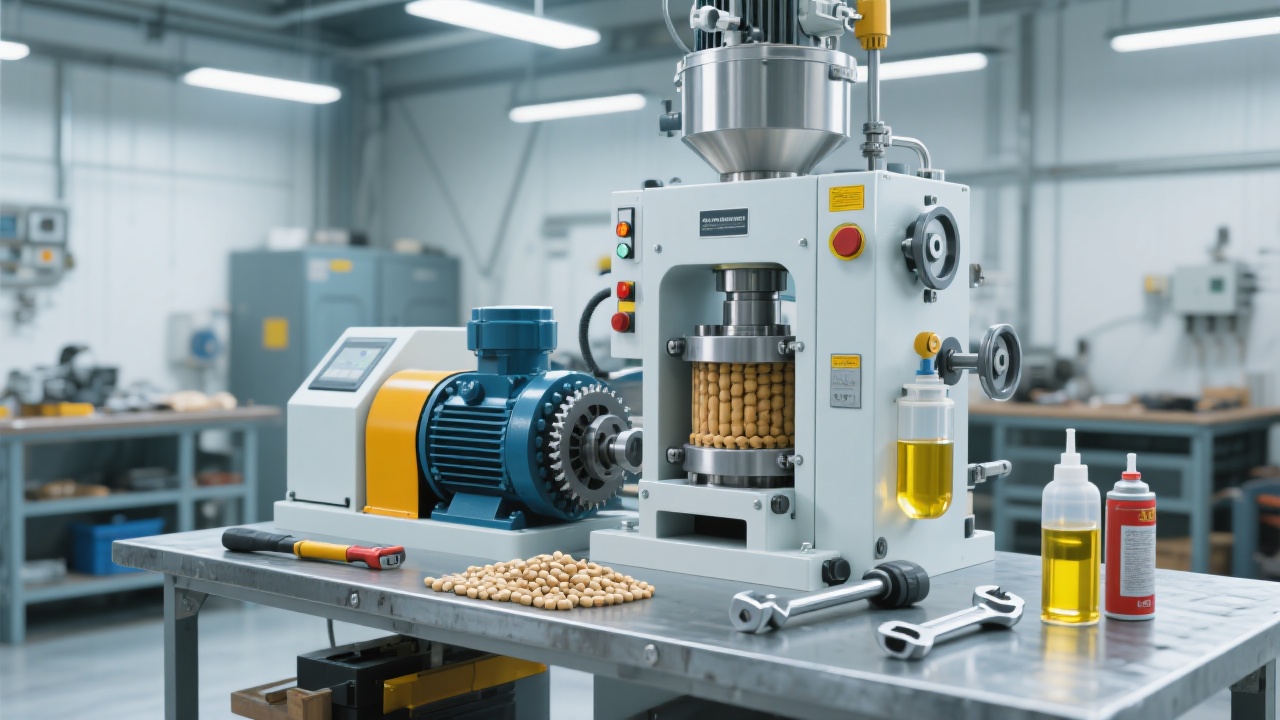
Crushing the raw materials can increase the contact area between the oil and the processing equipment, improving the oil extraction efficiency. Different oilseeds have different crushing requirements. For instance, peanuts are usually crushed into small particles with a diameter of about 2 - 3 mm, while rapeseeds are crushed more finely, with a particle size of around 1 - 2 mm.
Steaming is a crucial step to adjust the physical and chemical properties of the raw materials. The temperature and time of steaming need to be strictly controlled according to the characteristics of different oilseeds. For example, when processing cottonseeds, the steaming temperature is generally controlled at about 100 - 110°C for 30 - 40 minutes. If the temperature is too high or the time is too long, it may lead to the deterioration of the oil quality; if the temperature is too low or the time is too short, the oil extraction rate will be affected.

Tempering is to further adjust the moisture and temperature of the raw materials to achieve the best state for oil extraction. After tempering, the moisture content of rapeseeds is usually controlled at about 8 - 10%, and that of peanuts is about 6 - 8%. This can ensure the smooth operation of the screw oil press and improve the oil extraction rate.
Due to the differences in water content and fat content of different oilseeds, the parameters in the pre - treatment process need to be adjusted accordingly. The following table shows the parameter differences of some common oilseeds:
| Oilseed Type | Moisture Content after Cleaning (%) | Crushing Particle Size (mm) | Steaming Temperature (°C) | Moisture Content after Tempering (%) |
|---|---|---|---|---|
| Rapeseed | 10 - 12 | 1 - 2 | 90 - 100 | 8 - 10 |
| Peanut | 8 - 10 | 2 - 3 | 100 - 110 | 6 - 8 |
| Cottonseed | 12 - 14 | 1 - 2 | 100 - 110 | 7 - 9 |
Let's take a look at some real - world cases. A small - scale oil processing factory in a rural area did not pay attention to the pre - treatment process at first. The impurity rate of raw materials was high, and the parameters of steaming and tempering were not well - controlled. As a result, the oil extraction rate was only about 30%, and the quality of the oil was poor. After learning the standardized pre - treatment process and adjusting the parameters according to the characteristics of different oilseeds, the oil extraction rate increased to about 40%, and the quality of the oil also improved significantly, which increased the factory's economic benefits.
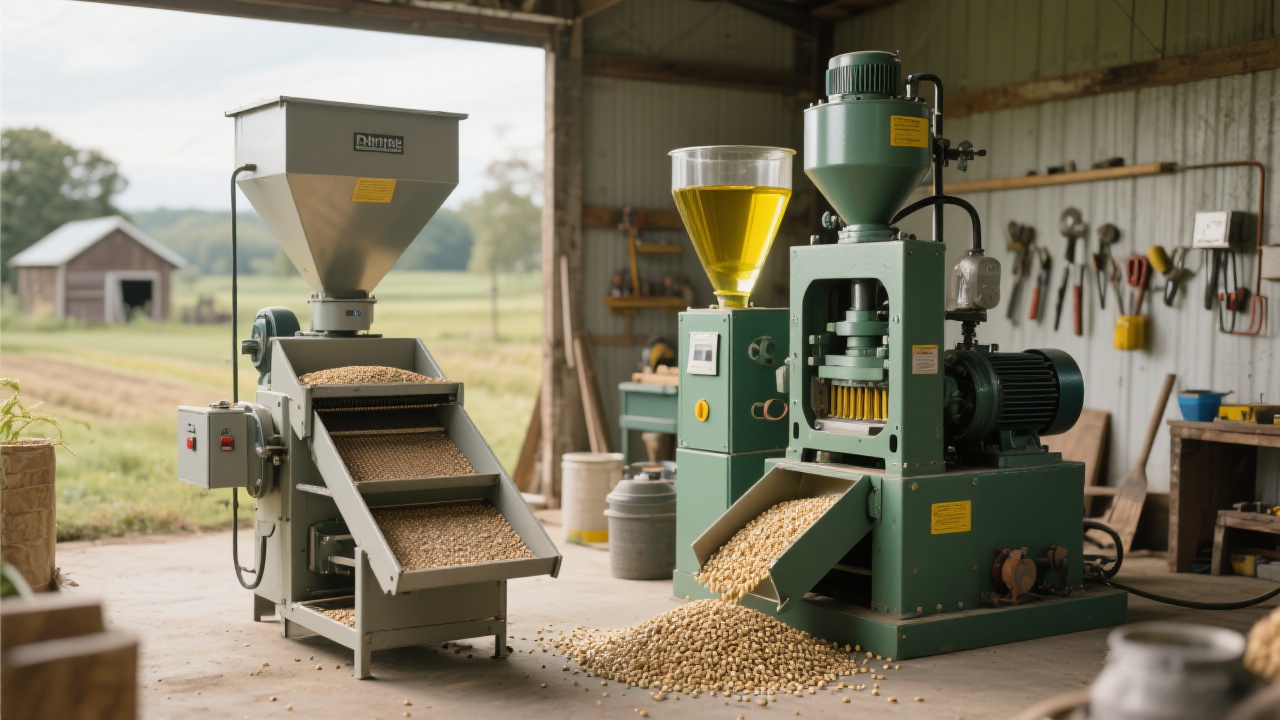
In conclusion, the standardized operation process of oil pre - treatment is of great significance for improving equipment efficiency, ensuring oil quality, and reducing operating costs. Are you ready to optimize your oil pre - treatment process? Click here to download our practical operation checklist PDF template and take the first step towards a more efficient oil processing!