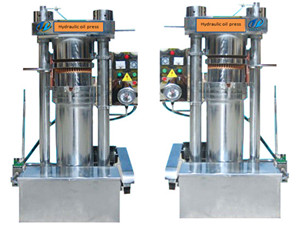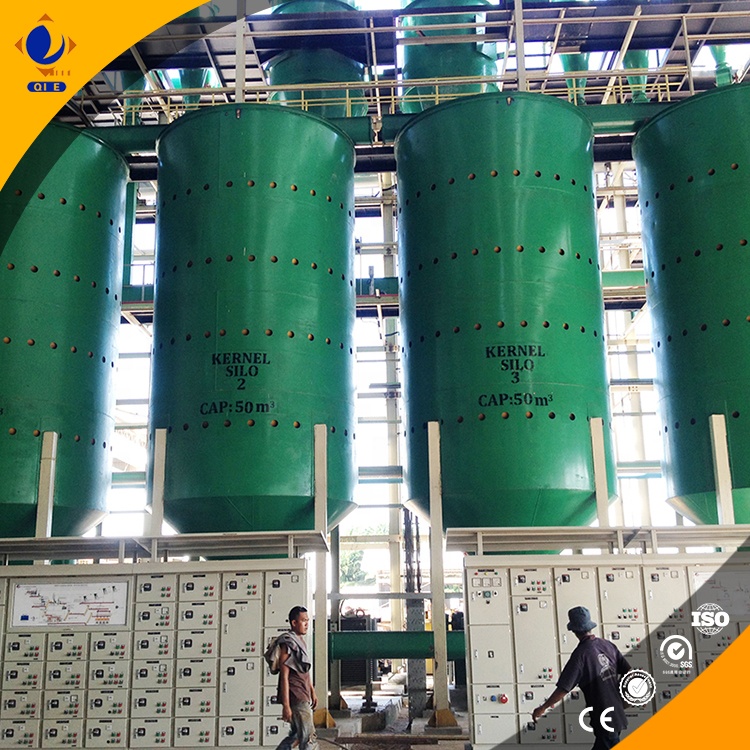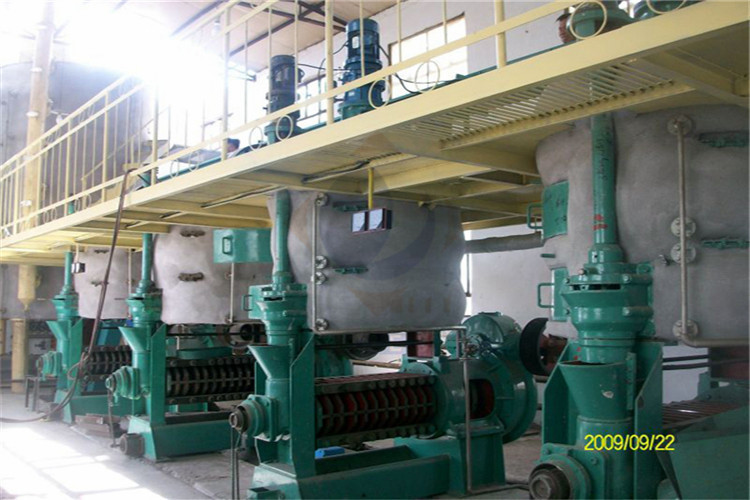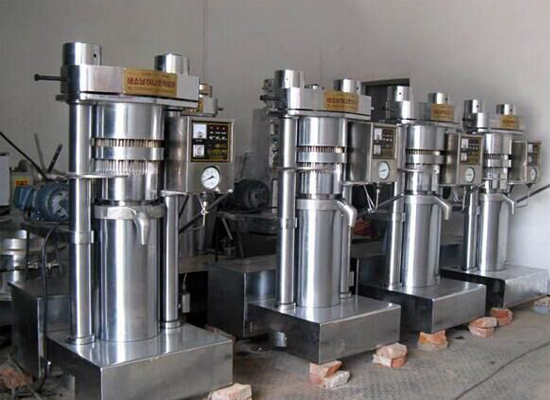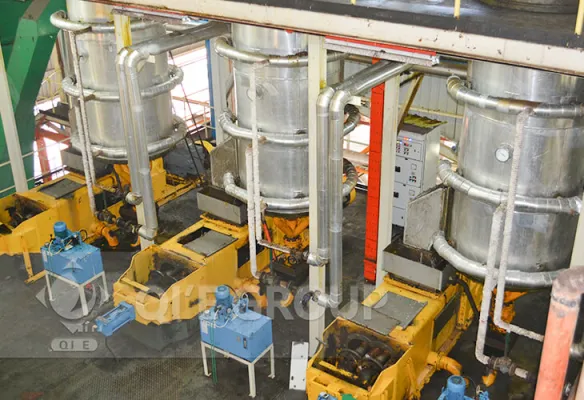
As a machinery maintenance professional or production manager in the grain and oil processing industry, you understand that the spiral hydraulic oil press machine is a cornerstone of your operational efficiency. Its optimal performance heavily depends on rigorous and consistent maintenance. Inadequate upkeep not only shortens equipment lifespan but also raises the risk of costly downtime. This article provides a practical guide packed with actionable insights on 轴承保养方法, sealing replacement, and hydraulic system inspections to help you reduce stoppages and extend your machine’s useful life.
The spiral oil press handles continuous high-pressure processing which makes wear and tear inevitable. Conducting methodical daily inspections—covering everything from external visual cues to internal mechanical conditions—can preempt equipment failures. Start your routine by checking for oil leaks, unusual noises around bearings, and verifying the integrity of seals.
According to industry standards, scheduled preventive maintenance can reduce unscheduled downtime by up to 30%-40% and extend machine service life by an average of 1-2 years. Remember: letting your equipment run just one extra year can yield procurement savings worth tens of thousands of dollars.
Most hydraulic oil press failures originate from three typical sources:
When monitoring bearings, look for temperature spikes (above 80°C) or vibration anomalies using portable sensors. For seals, visually inspect for cracks or brittle surfaces during each shut-down phase. Hydraulic pressure should remain stable within manufacturer-specified limits; deviations can signify pump degradation or fluid contamination.
To maximize uptime and equipment longevity, apply these maintenance best practices:
Expert Insight: “Preventive maintenance is not just a cost but an investment. Routine checks aligned with operational data analytics empower you to predict failures before they occur.” – Mechanical Engineering Association Standard 2023
One leading grain processor reported a 25% drop in unexpected machine stoppages after enforcing strict daily and monthly maintenance logs focusing on bearing condition monitoring and seal replacement. Previously, failure to catch early signs of bearing wear had resulted in a week-long production halt, costing over $100,000 in lost revenue and emergency repairs.
Such examples emphasize that neglecting the “small details” in oil press machine maintenance often snowballs into severe operational disruptions. Implementing an effective maintenance checklist—starting from daily inspections to comprehensive seasonal overhauls—can safeguard your production line stability.
Incorporate the following checklist into your standard work procedures to drive measurable improvements:
| Maintenance Item | Frequency | Action |
|---|---|---|
| Visual inspection (leaks, noises) | Daily | Check and log anomalies |
| Bearing lubrication | Every 200 operational hours | Replenish with OEM-approved oil |
| Seal inspection and replacement | Annually or as required | Replace worn seals promptly |
| Hydraulic fluid analysis | Quarterly | Test and replace contaminated fluid |
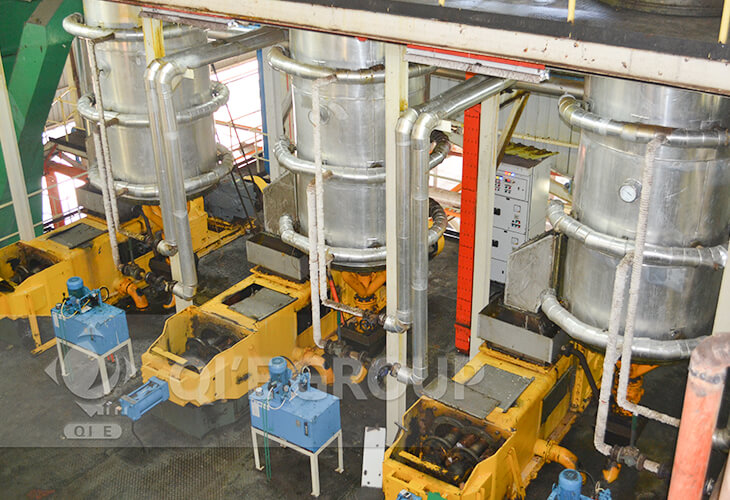
By adhering to these scientifically-backed maintenance techniques derived from 工业设备寿命延长 principles, operators can elevate their spiral hydraulic oil press machines’ operational availability by over 15%-20% annually. This translates directly into enhanced throughput, reduced emergency repair expenses, and improved ROI.
Implementing a robust maintenance program strengthens your production line’s resilience, allowing you to avoid disaster-level shutdowns that cause cascading supply chain issues and economic setbacks.
Protect your capital investment in machinery by operationalizing these targeted steps now. Remember: "Avoiding unexpected downtime and ensuring smooth production runs is not an option—it's a business imperative."
Discover Expert Solutions for Your Spiral Hydraulic Oil Press Maintenance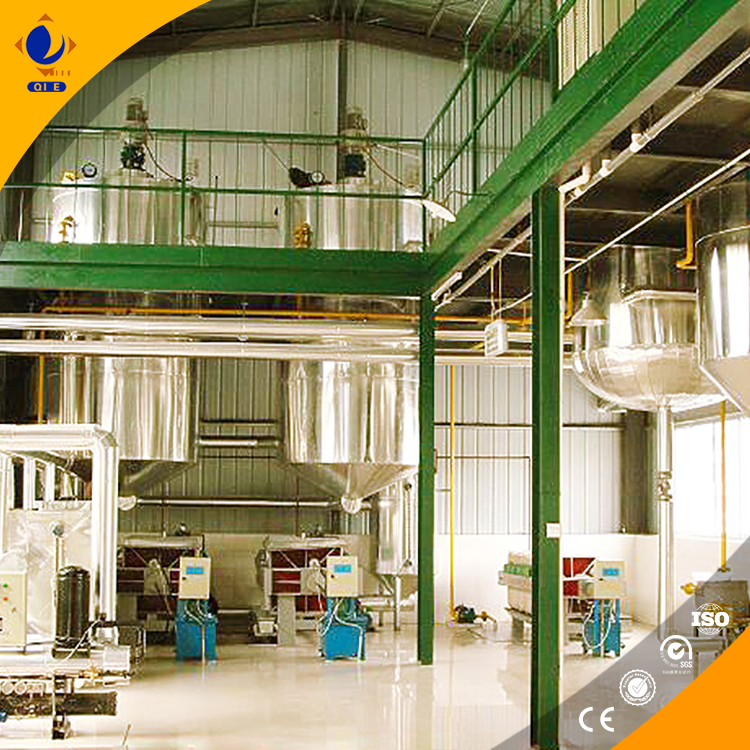

 177
|
177
|
 Large hydraulic press machine maintenance
Vegetable oil press equipment maintenance
Hydraulic system fault prevention
Pre - press machine daily inspection
Press machine fault troubleshooting
449
|
screw oil press pre-treatment
material blockage solution
oilseed processing optimization
sunflower seed preprocessing
steam cooking for oil extraction
139
|
sunflower seed preprocessing
screw oil press
crushing technique
steaming roasting parameters
oil yield optimization
Large hydraulic press machine maintenance
Vegetable oil press equipment maintenance
Hydraulic system fault prevention
Pre - press machine daily inspection
Press machine fault troubleshooting
449
|
screw oil press pre-treatment
material blockage solution
oilseed processing optimization
sunflower seed preprocessing
steam cooking for oil extraction
139
|
sunflower seed preprocessing
screw oil press
crushing technique
steaming roasting parameters
oil yield optimization
 490
|
small hydraulic oil press
plant seed hydraulic press selection
hydraulic oil press automation
oil yield improvement for seed pressing
hydraulic oil press maintenance
490
|
small hydraulic oil press
plant seed hydraulic press selection
hydraulic oil press automation
oil yield improvement for seed pressing
hydraulic oil press maintenance
 334
|
hot pressing vs cold pressing
oilseed press parameters
hydraulic oil press optimization
cold pressed oil quality
plant oil extraction process
334
|
hot pressing vs cold pressing
oilseed press parameters
hydraulic oil press optimization
cold pressed oil quality
plant oil extraction process