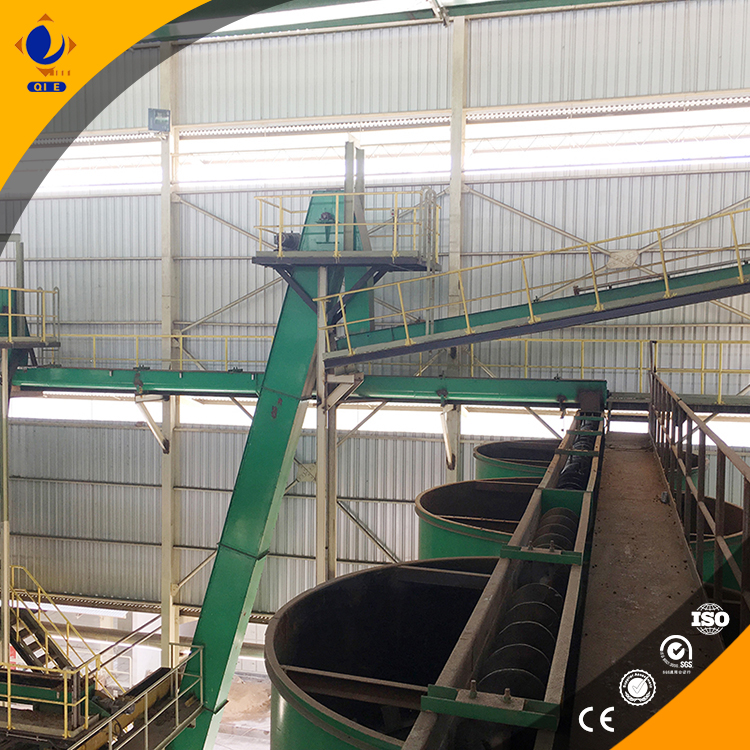
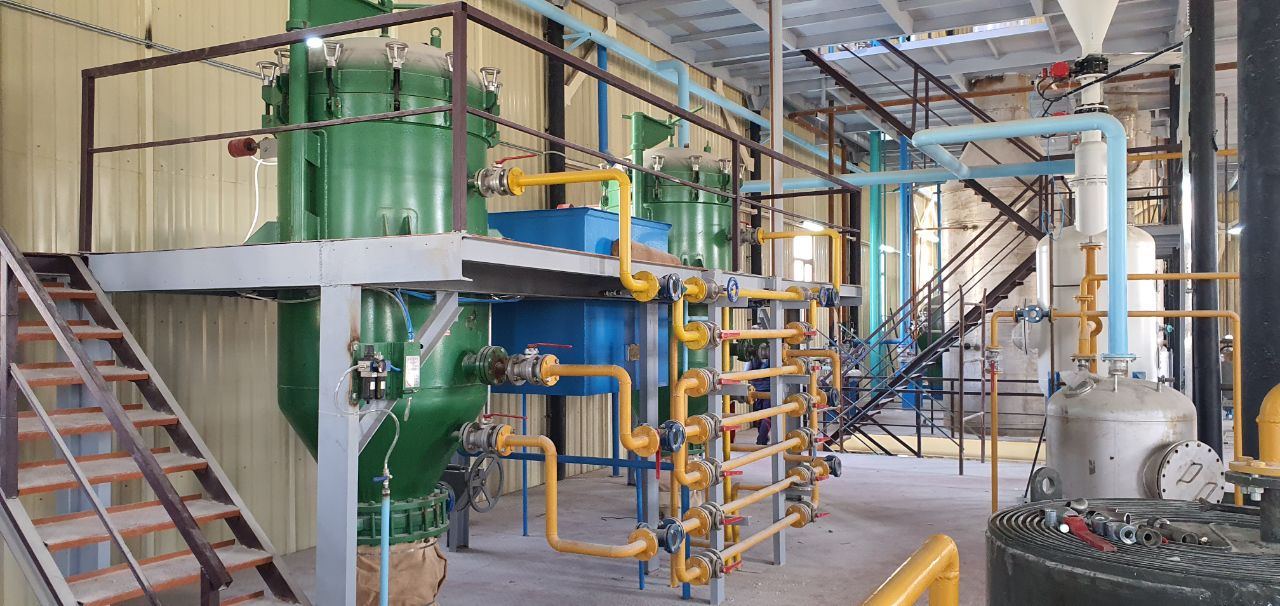
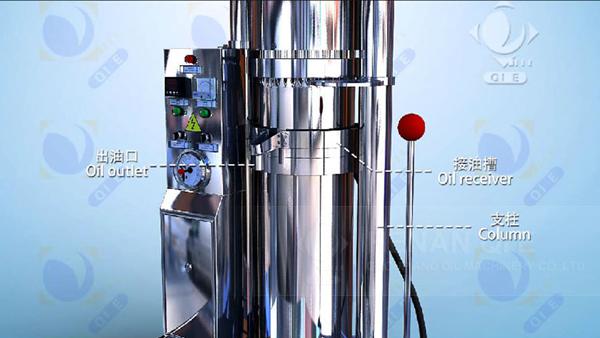
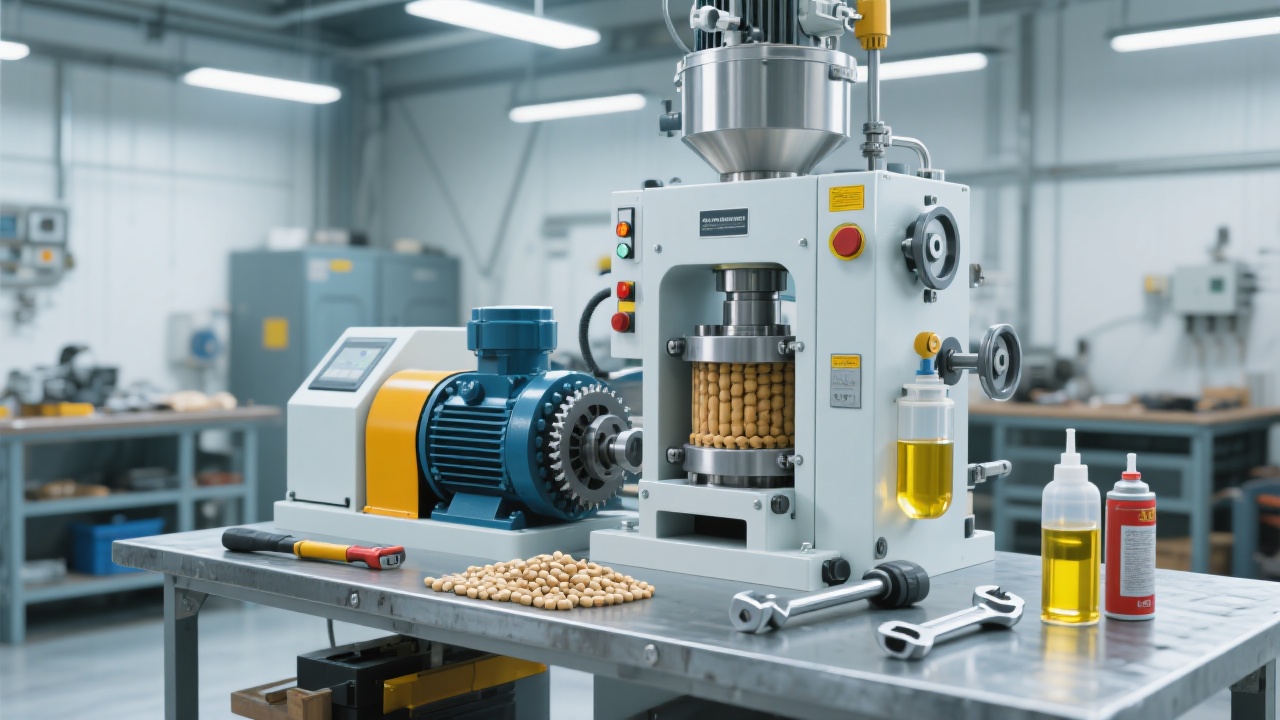
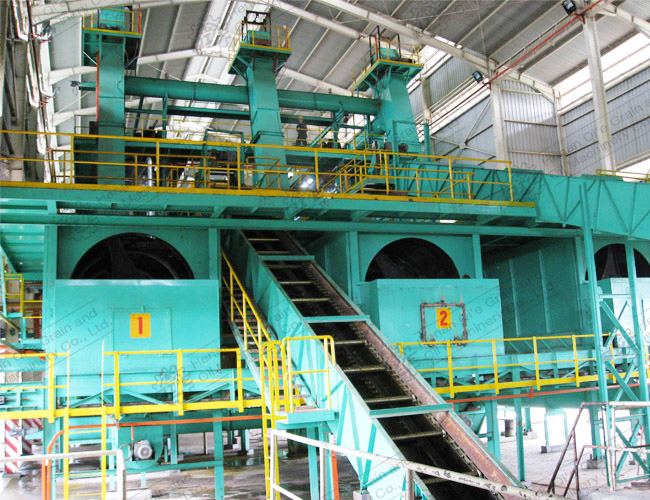
In the realm of vegetable oil processing, the pre - pressing stage is a critical step that significantly impacts the overall quality of the final product. This guide delves deep into the entire process of the pre - pressing stage in vegetable oil production, with a particular focus on soybean cold pressing, aiming to help technicians improve efficiency and cake quality.
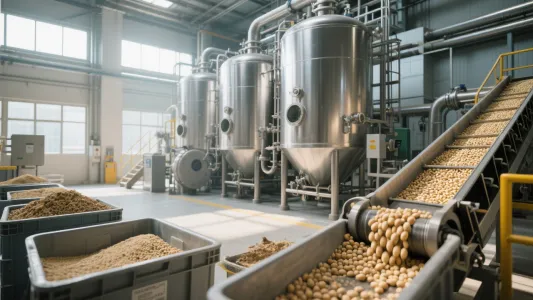
The pre - pressing process begins with raw material preparation. High - quality soybeans are essential for producing high - quality oil. Technicians need to ensure that the soybeans are clean, free from impurities, and have appropriate moisture content. Usually, the moisture content of soybeans should be controlled between 10% - 12% for optimal pre - pressing results. After raw material preparation, the next step is steaming and roasting. This process is crucial as it can adjust the physical and chemical properties of the soybeans, making them more suitable for pre - pressing.
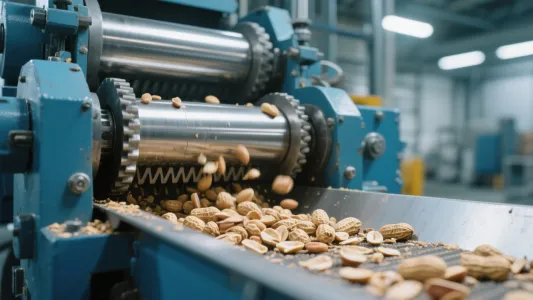
During the steaming and roasting process, key parameters such as time, temperature, and steam volume need to be precisely controlled. For example, the steaming temperature is generally set between 90 - 100°C, and the roasting time is about 30 - 40 minutes. These parameters directly affect the structure and quality of the pre - pressed cake. When it comes to cake formation, the pressure applied by the pre - press machine and the speed of material feeding are also vital factors. A pressure of around 20 - 30 MPa is often used to ensure proper cake formation.
Steam volume and temperature gradient play a crucial role in determining the quality of the pre - pressed cake. Adequate steam can soften the soybeans, making them easier to press. However, excessive steam may lead to over - moistening of the cake, affecting its thickness uniformity and subsequent processing. Temperature gradient, on the other hand, affects the internal structure of the cake. A proper temperature gradient can ensure that the cake has a compact structure, which is beneficial for oil extraction in the subsequent leaching process. For instance, in a well - controlled pre - pressing process, a temperature gradient of 10 - 15°C from the center to the edge of the cake can significantly improve its quality.
Let's take a soybean cold - pressing case as an example. A vegetable oil processing plant found that when the thickness deviation of the pre - pressed cake was within ±1mm, the leaching efficiency increased by 15% compared to the situation with a larger thickness deviation. This clearly shows that ensuring the uniformity of cake thickness is directly related to the efficiency of the leaching process. In the case, by optimizing the pre - press machine settings and adjusting the steam volume and temperature, the plant was able to achieve better cake thickness uniformity, thus improving the overall production efficiency.
Proper operation and maintenance of pre - press equipment are essential for ensuring stable production. Technicians should regularly check the pressure sensors, temperature controllers, and other key components of the pre - press machine. For example, the pressure sensor should be calibrated at least once a month to ensure accurate pressure control. Common problems such as clogging and abnormal noise may occur during equipment operation. When clogging occurs, technicians can clean the feeding port and the pressing chamber in time. For abnormal noise, it may be caused by loose parts, and technicians should tighten the relevant bolts and nuts.
The pre - pressing stage is closely related to subsequent processes such as leaching and refining. A well - controlled pre - pressing process can provide high - quality pre - pressed cakes for the leaching process, improving the leaching efficiency and reducing the solvent consumption. In the refining process, high - quality pre - pressed oil can reduce the refining difficulty and improve the final oil quality. Therefore, enterprises should pay attention to the process linkage between the pre - pressing stage and subsequent processes, and optimize the entire production line to achieve better production results.
In conclusion, by comprehensively mastering the basic and advanced technologies of the vegetable oil pre - pressing process, technicians can effectively improve the quality of pre - pressed cakes and the overall efficiency of the production line. To learn more about pre - pressing process optimization solutions, please visit our technical white - paper section at CTA - URL.
 386
|
386
|
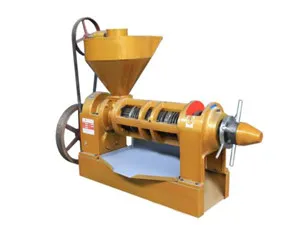
 oil press machine
spiral oil press machine
oil press machine
spiral oil press machine
 197
|
QIE oil pressing equipment
advanced oil extraction technology
ISO9001:2000 certified oil machinery
efficient vegetable oil production equipment
reliable animal oil processing machinery
high-capacity oil extraction solutions
environmentally friendly oil pressing systems
one-stop oil production solutions
197
|
QIE oil pressing equipment
advanced oil extraction technology
ISO9001:2000 certified oil machinery
efficient vegetable oil production equipment
reliable animal oil processing machinery
high-capacity oil extraction solutions
environmentally friendly oil pressing systems
one-stop oil production solutions
 218
|
medium screw oil press
oilseed pre-treatment process
screw press efficiency
oil cake moisture control
steaming cooking optimization
218
|
medium screw oil press
oilseed pre-treatment process
screw press efficiency
oil cake moisture control
steaming cooking optimization
 146
|
small-scale palm oil production line
palm oil yield improvement
hot and cold pressing technology
304 stainless steel oil press
customized palm oil extraction equipment
146
|
small-scale palm oil production line
palm oil yield improvement
hot and cold pressing technology
304 stainless steel oil press
customized palm oil extraction equipment
 147
|
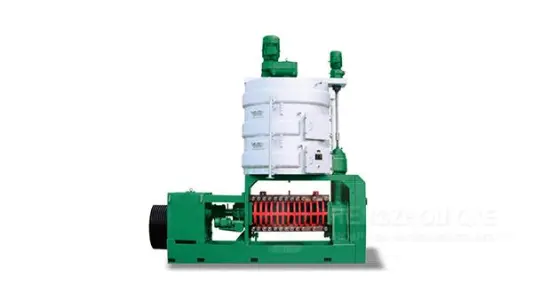
Large Screw Press
ZY24 Screw Oil Press
Continuous Oil Press
Oil Extraction Equipment
Medium-sized Oil Press
High Efficiency Oil Press
Durable Screw Press
Versatile Oilseeds Press
Environmental Friendly Oil Press
Edible Oil Processing
147
|
Large Screw Press
ZY24 Screw Oil Press
Continuous Oil Press
Oil Extraction Equipment
Medium-sized Oil Press
High Efficiency Oil Press
Durable Screw Press
Versatile Oilseeds Press
Environmental Friendly Oil Press
Edible Oil Processing