As an oil mill manager, you may often encounter the headache of high oil content in the residue after solvent extraction. This is a common pain point for many small and medium-sized oil mills when choosing the processing technology. In this guide, we'll delve into the technical differences and applicable scenarios of two mainstream processing paths: 'secondary pressing vs. single solvent extraction'. With real - world case studies of typical oilseeds like cottonseed and peanuts, you'll learn how to make scientific decisions based on production scale, raw material characteristics, and equipment compatibility.
Let's start with a practical question: 'Our mill processes 3 tons of cottonseed per day, but the oil content in the residue is too high. What should we do?' This is a situation that many small and medium - sized oil mills face. High oil content in the residue not only means wasted raw materials but also affects the overall efficiency and profitability of the mill.
There are two main processing methods: secondary pressing and single solvent extraction. Let's break down their core indicators:
| Indicator | Secondary Pressing | Single Solvent Extraction |
|---|---|---|
| Residual Oil Rate | Can be reduced to 1.5% - 3% in some cases | Typically around 0.5% - 1.5%, but may be higher without proper operation |
| Energy Consumption | Relatively high due to multiple pressing operations | Depends on solvent recovery and extraction equipment, generally moderate |
| Investment Threshold | Requires additional pressing equipment, higher initial investment | High - tech extraction equipment may be expensive, but can save on pressing equipment |
| Refining Difficulty | Oil from secondary pressing may contain more impurities, increasing refining difficulty | Solvent - extracted oil may have solvent residues, but modern technology can control it well |
| Equipment Compatibility | Needs to match the capacity of the primary and secondary presses | Requires proper matching of extraction equipment with pre - treatment and post - treatment equipment |

The ZY24 screw oil press plays a crucial role in the continuous pressing process. It can provide stable production capacity, reduce the residual oil rate, and improve the overall efficiency of the production line. For example, in a continuous pressing process, the ZY24 can ensure a consistent feed rate and pressure, which is essential for reducing the residual oil rate. Many mills have reported that using the ZY24 screw oil press can help maintain a stable residual oil rate within the range of 2% - 3%.
One of our clients, a peanut oil mill, initially used single solvent extraction. However, they found that the oil quality was not satisfactory, and the residual oil rate in the residue was relatively high, around 2%. After switching to a secondary pressing process with the ZY24 screw oil press, they were able to reduce the residual oil rate to 1.5%. This not only improved the oil yield but also enhanced the quality of the peanut oil.
Another client, a cottonseed oil mill, was facing high energy consumption and refining difficulties with the single solvent extraction method. By adopting a secondary pressing process with the ZY24 screw oil press, they were able to optimize the process. The residual oil rate was reduced from 3% to 2%, and the energy consumption was also significantly reduced.

To determine whether secondary pressing is suitable for your mill, you need to consider several factors. First, look at the raw material characteristics. If the raw material has a high oil content, secondary pressing may be a good option. Second, consider your production scale. For small - scale mills, the investment in secondary pressing equipment may be a concern. Third, evaluate your equipment compatibility. Ensure that your existing equipment can work well with the secondary pressing process.
To control the residual oil rate, you can adjust the pressing parameters of the ZY24 screw oil press, such as the pressing temperature, pressure, and feed rate. Additionally, proper pre - treatment of the raw materials, such as cleaning and heating, can also help reduce the residual oil rate.
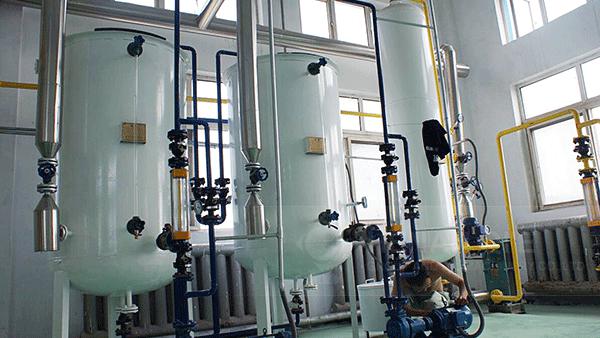
More and more clients have successfully reduced the residual oil rate in the residue to below 1.5% through reasonable process selection. By understanding the differences between secondary pressing and single solvent extraction, and leveraging the advantages of the ZY24 screw oil press, you can optimize your oil production process.
If you want to learn more about the details of the ZY24 screw oil press or download our process toolkit, please click here.