https://shmuker.oss-cn-hangzhou.aliyuncs.com/data/oss/65b068c3c2e9735675cac322/65b46cb67cfeb5177346777c/20240426173741/未标题-1_画板%201.png

How Small Oil Mills Choose Between Double Pressing and Single Solvent Extraction: A Technical Comparison for Cottonseed and Peanut Processing
2025-10-23
QI ' E Group
Technical knowledge
Small-scale oil mills often face a critical decision when selecting pressing technology: double pressing versus single solvent extraction. This article provides a data-driven analysis of both methods—comparing residual oil content, energy consumption, equipment investment, and refining complexity—while highlighting real-world applications for cottonseed and peanut processing. It emphasizes the pivotal role of the ZY24 (202-3) screw press in continuous pressing systems, demonstrating how its stability and throughput directly impact overall process efficiency. Practical decision-making logic is offered to guide operators in choosing the right path based on production scale, raw material type, and market positioning—helping you optimize yield, reduce costs, and ensure consistent performance.
https://shmuker.oss-accelerate.aliyuncs.com/data/oss/65b068c3c2e9735675cac322/668263a4df9f6e7a1281439c/20240902145049/Castor-oil-pressing-machine.jpg

Choosing the Right Oil Extraction Method for Small & Medium-Sized Oil Mills

If you're running a small to medium oil mill processing 3–5 tons of cottonseed or peanuts daily, you’ve likely faced this question:

“Should I go with secondary pressing or single-stage solvent extraction?”

This isn’t just a technical decision—it’s about cost control, product quality, and long-term profitability. Let’s break down both methods using real-world data, not theory.

Key Differences: Residual Oil, Energy Use, and Investment

Parameter Secondary Pressing Single-Stage Solvent Extraction
Residual Oil (in cake) ~4–6% ~1–2%
Energy Consumption (kWh/ton) ~120–150 kWh ~80–100 kWh
Initial Equipment Cost $15,000–$30,000 $40,000–$70,000
Post-Pressing Refining Difficulty High (more free fatty acids) Moderate (cleaner residue)

For example, a peanut mill in Vietnam reported that after switching from secondary pressing to solvent extraction, their residual oil dropped from 5.2% to 1.3%, improving yield by 3.9% per ton—equivalent to an extra 150 kg of oil per day at 5 tons/day capacity.
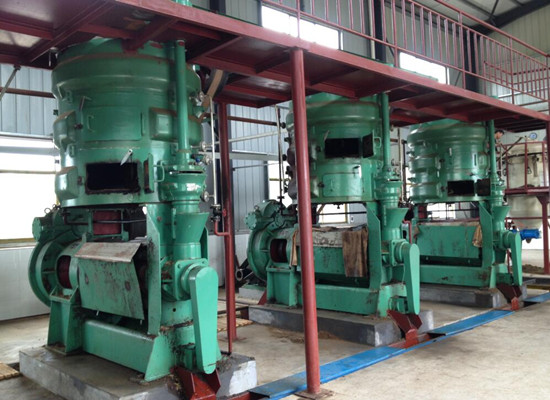
Comparison of oil press vs solvent extraction setup in a small oil plant

Why ZY24 Spiral Press Matters in Both Systems

The ZY24 (202–3) spiral press is often the unsung hero in continuous oil extraction lines. Whether you’re doing two-stage pressing or one-stage solvent extraction, its consistent output—around 1.8–2.5 tons/hour—makes it ideal for balancing flow rates across downstream processes.

In fact, mills using ZY24 as the primary press report up to 15% less downtime due to mechanical stability compared to older batch presses. That means more consistent feedstock preparation for solvent extraction tanks—or cleaner cake for second pressing.

Pro Tip: If your residue contains over 6% oil after first pressing, consider upgrading to ZY24 instead of adding another press stage. It may save capital while boosting efficiency.
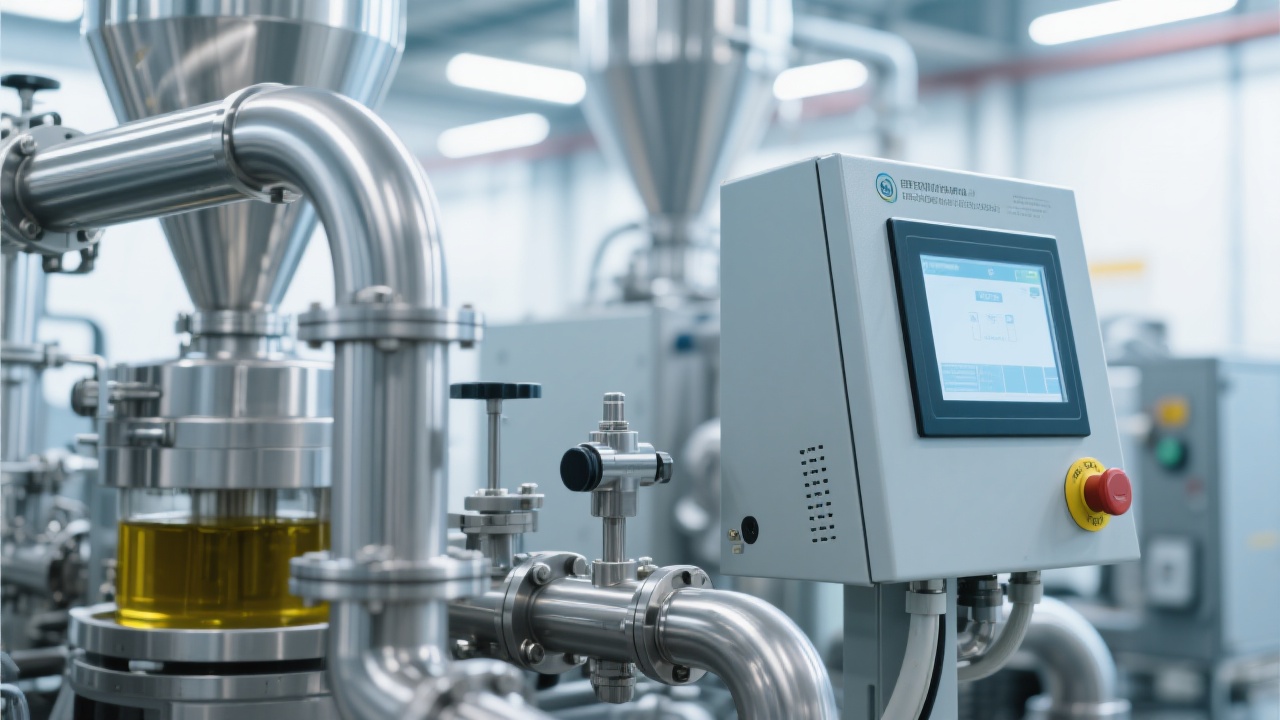
ZY24 spiral press in operation inside a modern small-scale oil mill

When to Choose Each Process Based on Raw Material

Not all oils are created equal:

  • Cottonseed: High fiber content makes solvent extraction preferable—less energy, better yield, and easier refining.
  • Peanuts: Secondary pressing works well if you’re targeting premium cold-pressed oil markets (like health-conscious buyers in Europe).
  • Canola/Sunflower: Solvent extraction wins for scale-driven operations due to lower operating costs.

One client in India switched from secondary pressing to solvent extraction for canola processing—and saw a 22% reduction in monthly electricity bills while increasing net profit margins by 8% within six months.
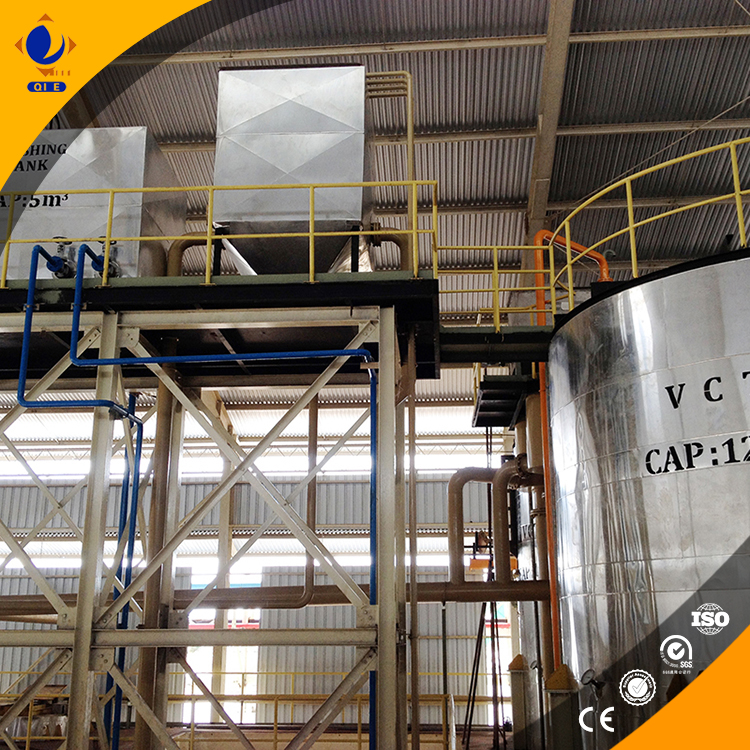
Oil cake samples from secondary press vs solvent extraction showing visible difference in oil content

Ultimately, your choice should align with your production goals—not just what’s cheapest upfront. Ask yourself:

  1. Do I need high purity for export-grade oil?
  2. Is my team trained for solvent handling?
  3. Will I process more than 3 tons/day consistently?

If yes to any of these, solvent extraction likely fits your needs better—even if the initial investment feels steep.

Ready to see how ZY24 spiral press can optimize your current or future setup? Explore real case studies and performance specs here →


Recommended Products
Hot Products
Contact us
Contact us
https://shmuker.oss-cn-hangzhou.aliyuncs.com/tmp/temporary/60ec5bd7f8d5a86c84ef79f2/60ec5bdcf8d5a86c84ef7a9a/thumb-prev.png
