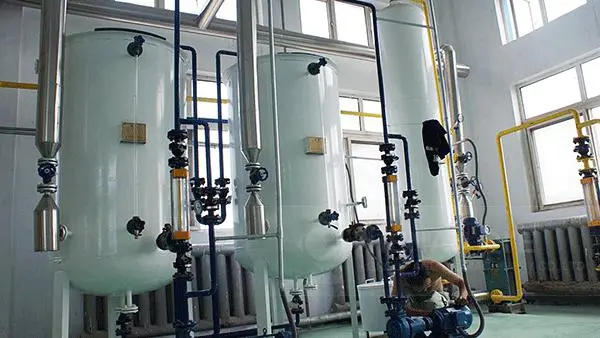
For small to mid-sized oilseed processors, choosing between secondary pressing and single-stage solvent extraction isn't just a technical decision—it's a strategic one that impacts yield, energy use, CAPEX, and long-term profitability. This guide breaks down five critical dimensions to help you make an informed choice—backed by real-world data and operational insights.
Not all seeds are created equal. Cottonseed, peanuts, soybeans, and sunflower seeds each behave differently under pressure or chemical extraction:
Residual oil left in cake directly affects your bottom line. Here’s how both methods compare:
| Process Type | Avg. Residual Oil (%) | Typical Application |
|---|---|---|
| Secondary Pressing | 3–5% | Cottonseed, sesame, flaxseed |
| Single-Stage Solvent | 1–2% | Soybeans, sunflower, rapeseed |
A typical 1-ton-per-hour plant using secondary pressing consumes about 8–10 kWh per ton of feedstock—while solvent extraction may require up to 15 kWh/ton due to drying and evaporation steps. However, solvent systems often recover more oil per unit, improving ROI over time.
Initial investment for a single-stage solvent setup is typically 30–50% higher than a press-based system. But here’s the catch: the ZY24 (202-3) spiral press offers consistent performance with minimal downtime—especially when handling mixed or variable-quality raw materials common in emerging markets.
Press-cake from secondary pressing tends to have lower free fatty acid levels and fewer impurities—making refining easier and reducing chemical usage. In contrast, solvent-extracted cakes may need additional treatment before refining, increasing processing time and cost.
Pro Tip: Many successful SMEs in Southeast Asia and Africa now adopt a hybrid model—using ZY24 screw presses for primary extraction, then solvent for final recovery. This balances yield, efficiency, and capital risk.
If you're planning a new facility or upgrading existing lines, understanding these trade-offs is essential. Whether you're targeting cottonseed in India or peanut oil in Nigeria, the right process choice ensures better returns—and less waste.
Explore How the ZY24 Spiral Press Can Optimize Your Production Line





