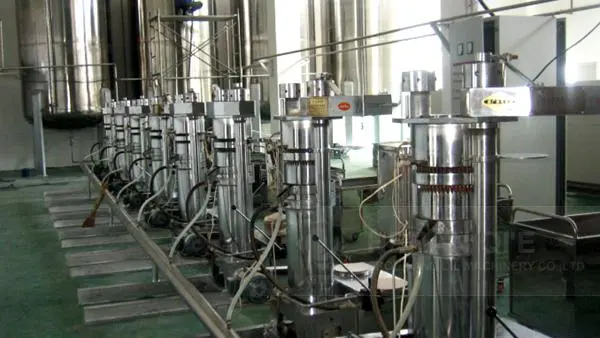
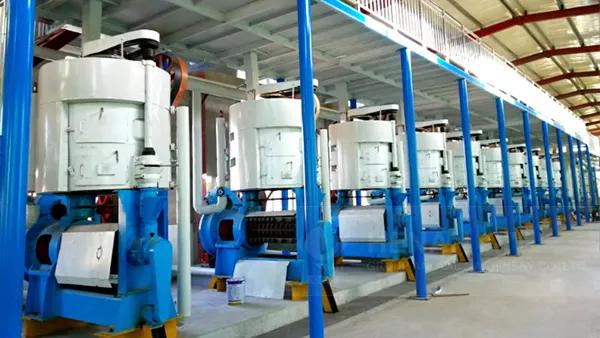
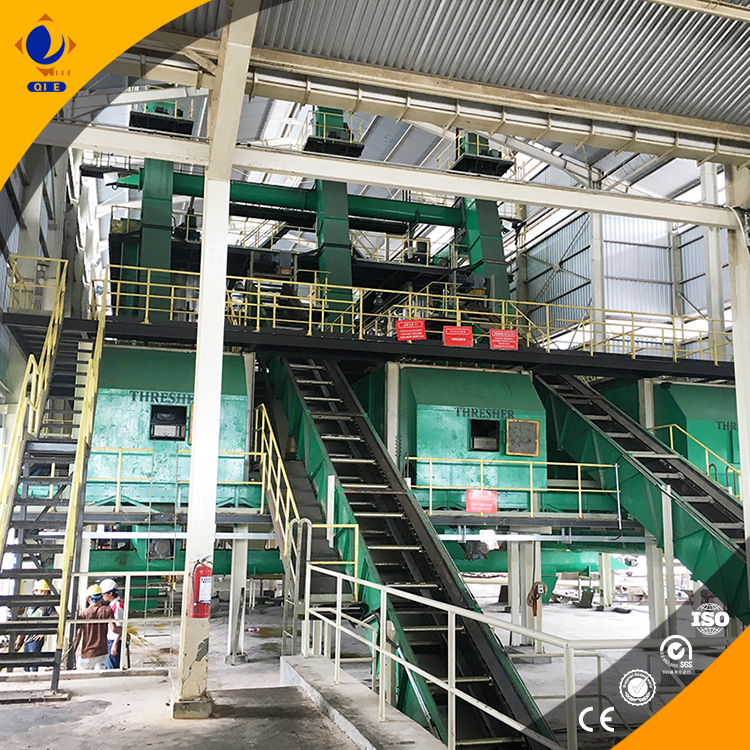
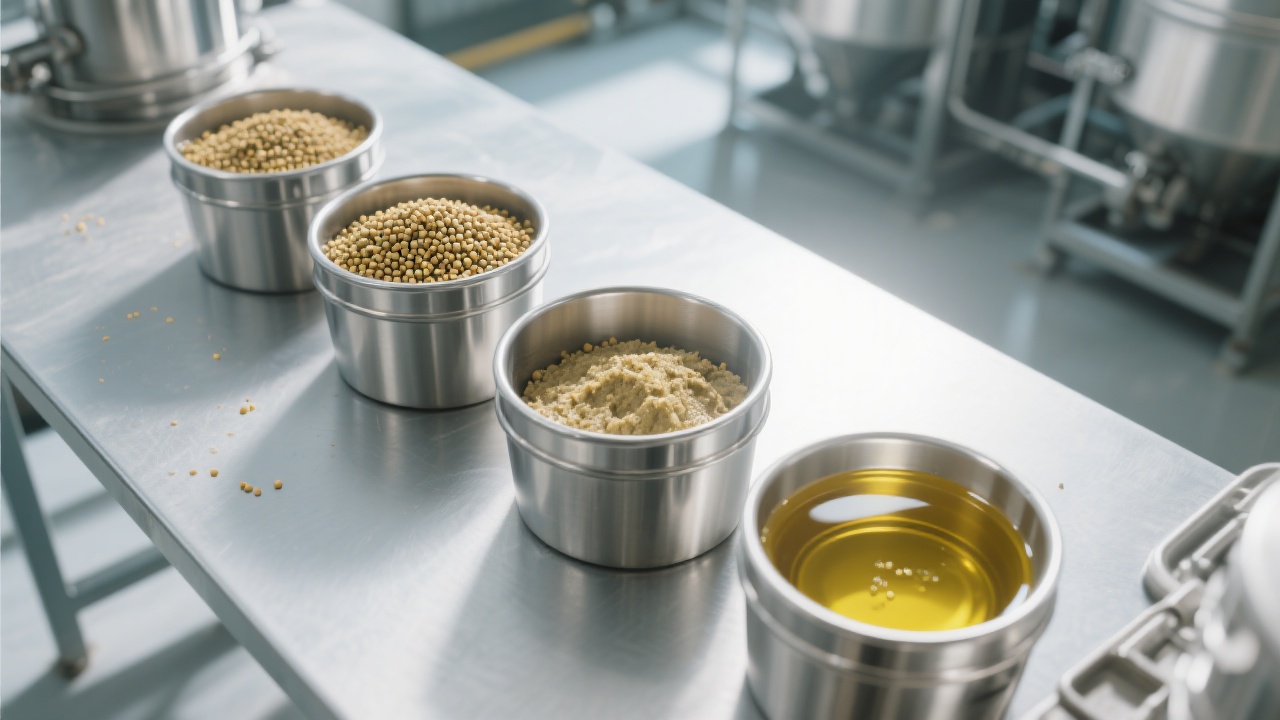
For many small and mid-sized plant oil processors, equipment selection becomes the difference between stable export orders and constant production firefighting. The most common pain points are surprisingly consistent across regions: disappointing oil yield, uneven pressing results between batches, and operators needing “tribal knowledge” to keep the machine running smoothly. A well-chosen hydraulic seed oil press can simplify operations and improve consistency—without forcing a full-scale industrial investment.
Best fit
Sesame, peanut, sunflower, rapeseed, flaxseed, moringa, and other high-oil seeds
Typical buyer roles
Owner-managers, plant supervisors, mechanics, new operators
Business impact
Higher yield, fewer stoppages, faster training, stronger QC for exports
In field audits across small-to-mid oil workshops, 2%–6% yield loss is often traced not to the seed itself but to unstable pressure curves, inconsistent heating (if preheating is used), and poor filtration of hydraulic oil. Another frequent issue is operator-dependent performance: one experienced worker achieves acceptable yield while a new operator creates cake cracking, channeling, or early pressure release—leading to oil trapped in the cake.
The “invisible” cost is downtime: a press that stops 30 minutes per shift for temperature checks, seal adjustments, or filter cleaning can quietly remove 3%–8% of monthly output capacity. For export-oriented producers, that inconsistency also increases QC rework and batch-to-batch documentation effort.
Reference benchmark (practical range): With stable pressure and disciplined moisture control, many seeds reach a residual oil content in cake of 6%–10%. When pressure fluctuates or the cake forms poorly, residual oil can drift to 10%–14%—a direct loss you can measure.
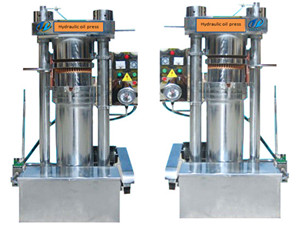
A small-to-medium hydraulic oil press for seeds typically consists of a pressing chamber, cylinder, piston, frame, cake forming components, and an oil collection system. Structural rigidity matters more than it sounds: a stiff frame reduces micro-deformation under load, helping maintain uniform cake density and preventing side leakage or uneven pressure distribution.
Buyers often ask only one question: “What’s the maximum pressure?” In reality, pressure stability and control resolution typically correlate more strongly with consistent yield and cake integrity. For seed pressing, a controlled ramp-up curve reduces channeling and helps oil escape before the cake becomes overly compacted.
Operational target (common practice): Many workshops run pressing cycles in the 6–12 minute range per batch, with staged pressurization and a short holding phase. Optimizing the curve can improve effective yield by 1%–3% without changing seed input quality.
The most valuable automation in this segment is not “full robotics,” but repeatability: programmable pressure stages, timer-based holding, overload protection, and sensor feedback for temperature and oil level. Even basic PLC control can make a new operator perform like an experienced one within days instead of weeks.
Hydraulic presses often look energy-efficient because they do not continuously run like some screw systems. However, energy waste appears in the details: motor oversizing, hydraulic oil overheating, and poor insulation in seed conditioning. In practical factory logs, a disciplined hydraulic system setup can reduce electricity consumption by 8%–15% compared with a poorly tuned system, especially in warm climates where cooling becomes a hidden load.
| Your Scenario | Recommended Focus | Why It Matters | Typical Outcome (Range) |
|---|---|---|---|
| New operators, high turnover | PLC staged pressure + safety interlocks | Stabilizes process, reduces training time | Downtime ↓ 10%–25% |
| Export QC pressure, consistent labeling | Pressure stability + repeatable cycle recipes | Reduces batch variability | Rework ↓ 5%–15% |
| High oil-value seeds (sesame, flax) | Sealing + cake thickness control + fine filtration | Prevents leakage and trapped oil | Yield ↑ 1%–4% |
| Unstable power supply / hot climate | Oil cooling, motor sizing, thermal protection | Protects hydraulics, avoids drift and seal failure | Maintenance ↓ 8%–20% |
For many SMEs, the best selection approach is to define the seed type + daily throughput goal + skill level, then lock the machine configuration around pressure stability, serviceability, and repeatable controls. The “most powerful” press is rarely the most profitable one.
.jpg)
In small-to-medium oil processing, ROI is driven by three measurable levers: (1) yield improvement, (2) labor and downtime reduction, and (3) quality consistency that protects export relationships. Even modest yield improvements can be meaningful because they scale with every ton processed.
Yield lift
If output increases by 2% and monthly input is 60 tons, extra oil equals the oil from 1.2 tons of seed input (seed-to-oil ratio varies by crop).
Downtime cut
Reducing stoppages by 20 minutes/shift across 2 shifts/day can reclaim ~13 hours/month of press availability.
Consistency dividend
Fewer out-of-spec batches reduces re-filtering, re-heating, and customer complaints—often saving 5%–15% of QA handling time.
This framework is intentionally conservative. In many SMEs, tightening pressure control and standardizing operating steps delivers a combined performance improvement that becomes visible within one production quarter.
Process note: Many “low yield” complaints are resolved by controlling seed moisture and standardizing cake thickness. Equipment matters, but process discipline is often the fastest win.
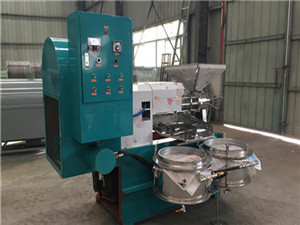
When evaluating mainstream small-to-medium hydraulic oil press models across suppliers, look beyond the headline tonnage. Export-oriented buyers often benefit most from: stable pressure control, service-friendly design, and repeatable automation. If two machines look similar, compare the parts that determine long-term performance: valve brands, pump stability, filter accessibility, cylinder sealing approach, and the clarity of the operator interface.
A helpful procurement habit is to request a cycle parameter sheet (pressure stages, holding time, recovery time), a maintenance schedule, and a spare parts list aligned with your region’s supply realities. This is how experienced importers reduce post-shipment surprises and keep utilization high.
Visit our product page to review configuration options for small-to-medium hydraulic plant seed oil press machines, including pressure control, automation choices, and recommended setups by seed type. Download the free PDF manual to standardize training and reduce avoidable downtime from day one.
Suggested for: owner-managers, procurement teams, and new operators building a repeatable pressing process.
Keywords integrated for SEO relevance: small-to-medium hydraulic oil press machine, plant seed hydraulic press selection, hydraulic oil press performance, automated hydraulic pressing machine, efficient oil extraction, vegetable oil processing equipment, hydraulic oil press operation and maintenance, improve oil yield, SME oil press equipment.

 119
|
119
|
 multifunctional screw press
efficient oil extraction
cold press vs hot press
natural edible oil production
oil press energy saving
multifunctional screw press
efficient oil extraction
cold press vs hot press
natural edible oil production
oil press energy saving
 146
|
Hydraulic Press
High-Efficiency Hydraulic Press
Oil Press Machine
Hydraulic Oil Press for Seeds
Best Hydraulic Press for Nuts
High Yield Hydraulic Press
Industrial Hydraulic Press
Automatic Hydraulic Oil Press
Environmental Friendly Hydraulic Press
146
|
Hydraulic Press
High-Efficiency Hydraulic Press
Oil Press Machine
Hydraulic Oil Press for Seeds
Best Hydraulic Press for Nuts
High Yield Hydraulic Press
Industrial Hydraulic Press
Automatic Hydraulic Oil Press
Environmental Friendly Hydraulic Press
 184
|
Medium Screw Oil Press
Efficient Oil Processing Equipment
Petroleum Equipment
Hydraulic Solutions
High Yield Oil Press
Compact Structure Oil Press
Easy Operation Oil Extruder
Durable Oil Press Machine
Oil Production Line Equipment
Vegetable Oil Extraction Machine
184
|
Medium Screw Oil Press
Efficient Oil Processing Equipment
Petroleum Equipment
Hydraulic Solutions
High Yield Oil Press
Compact Structure Oil Press
Easy Operation Oil Extruder
Durable Oil Press Machine
Oil Production Line Equipment
Vegetable Oil Extraction Machine
 213
|
6YL-185 screw hydraulic press
vegetable oil processing equipment
flexible customized oil processing
oil recovery adjustment
efficient oil press
213
|
6YL-185 screw hydraulic press
vegetable oil processing equipment
flexible customized oil processing
oil recovery adjustment
efficient oil press
 355
|
Medium-sized screw oil press
Multi-vegetable oil pressing equipment
Efficient and energy-saving oil press
Oil processing equipment
B2B foreign trade export equipment
355
|
Medium-sized screw oil press
Multi-vegetable oil pressing equipment
Efficient and energy-saving oil press
Oil processing equipment
B2B foreign trade export equipment