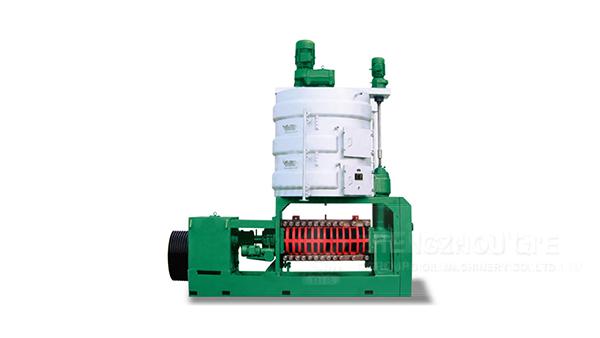
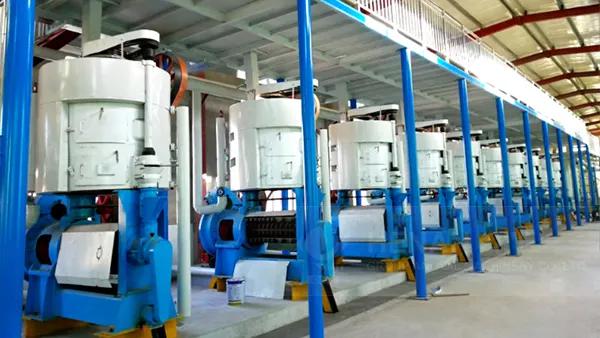
In the field of oil production, the pretreatment of oilseeds plays a crucial role in determining the efficiency of the pressing process and the quality of the final oil product. This article focuses on the practical techniques for the pretreatment of oilseeds, especially sesame, using medium-sized screw oil presses.
Proper pretreatment can significantly improve the pressing efficiency and the quality of the oil. For example, studies have shown that well - pretreated oilseeds can increase the oil extraction rate by up to 10% compared to those without proper pretreatment. The key steps in pretreatment include raw material cleaning, particle size control, and moisture adjustment.
The first step in the pretreatment process is to clean the raw materials. This involves removing impurities such as stones, dust, and other foreign objects. Impurities can not only damage the oil press but also affect the quality of the oil. For instance, a medium - sized oil mill processing about 5 tons of sesame per day can lose approximately 5 - 10% of the oil yield if the raw materials are not properly cleaned.
Controlling the particle size of the oilseeds is essential. Different oilseeds require different particle sizes for optimal pressing. For sesame, the ideal particle size is around 0.5 - 1 mm. If the particles are too large, the oil may not be fully extracted; if they are too small, it can lead to clogging of the oil press. By adjusting the particle size, the pressing efficiency can be improved by about 8 - 12%.
Moisture content is another critical factor. For most oilseeds, including sesame, the optimal moisture content before pressing is between 8 - 12%. Too much moisture can cause the oil to emulsify, while too little moisture can reduce the oil extraction rate. Adjusting the moisture content can enhance the oil quality and increase the extraction rate by about 5 - 10%.
There are differences in the pretreatment processes for different oilseeds such as sesame and sunflower seeds. Sunflower seeds usually require a slightly higher particle size and lower moisture content compared to sesame. For sunflower seeds, the ideal particle size is around 1 - 1.5 mm, and the moisture content should be around 6 - 10%.
During the pretreatment process, various abnormal situations may occur, such as uneven particle size or incorrect moisture content. To address these issues, operators can use screening equipment to adjust the particle size and drying or humidifying equipment to adjust the moisture content. For example, if the moisture content of sesame is too high, it can be dried at a temperature of about 50 - 60°C for 1 - 2 hours.
Based on the characteristics of the medium - sized screw oil press and practical cases, a standardized operating procedure can be established. This includes a series of steps and data feedback mechanisms. For example, operators can measure the oil extraction rate and the quality of the oil regularly and adjust the pretreatment parameters accordingly.
Are you looking to optimize your oil production process with a medium - sized screw oil press? Click here to learn more about our advanced oil press solutions and professional pretreatment techniques!

 107
|
107
|
 oilseed processing equipment customization
scalable oilseed pre-treatment solutions
versatile oilseed extraction systems
153
|
mini palm oil production line equipment
efficient eco-friendly oil extraction equipment
customized palm oil processing equipment
oilseed processing equipment customization
scalable oilseed pre-treatment solutions
versatile oilseed extraction systems
153
|
mini palm oil production line equipment
efficient eco-friendly oil extraction equipment
customized palm oil processing equipment
 373
|
Screw oil press
Cold - pressing oil press
Multifunctional oil extraction equipment
Edible oil production equipment
Industrial oil extraction equipment
373
|
Screw oil press
Cold - pressing oil press
Multifunctional oil extraction equipment
Edible oil production equipment
Industrial oil extraction equipment
 393
|
Multi-functional oil press
Screw oil hot press
Cold-pressing oil equipment
Cooking oil production equipment
Natural cosmetic oil extraction
393
|
Multi-functional oil press
Screw oil hot press
Cold-pressing oil equipment
Cooking oil production equipment
Natural cosmetic oil extraction
 192
|
medium screw press temperature control
high moisture oilseed pressing
oil yield optimization
flavor stability in vegetable oil
thermal management in oil extraction
192
|
medium screw press temperature control
high moisture oilseed pressing
oil yield optimization
flavor stability in vegetable oil
thermal management in oil extraction
.jpg)