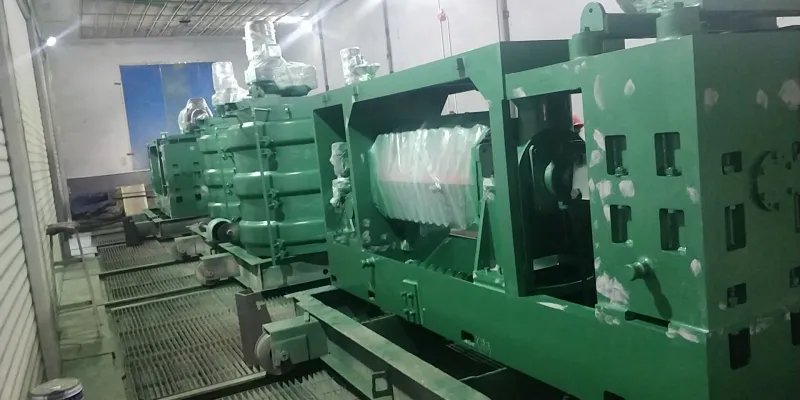
When it comes to small and medium-sized oil mills, selecting the right screw oil press can be a challenging task. This article delves deep into the key core technical parameters to help these mills make informed decisions.
The design of the screw shaft plays a crucial role in the efficiency of material propulsion and oil yield. A well - designed screw shaft can increase the material propulsion speed by up to 30%. For example, in a case study of a small oil mill, after upgrading the screw shaft design of their oil press, the oil yield increased from 40% to 45% for peanut oil extraction.
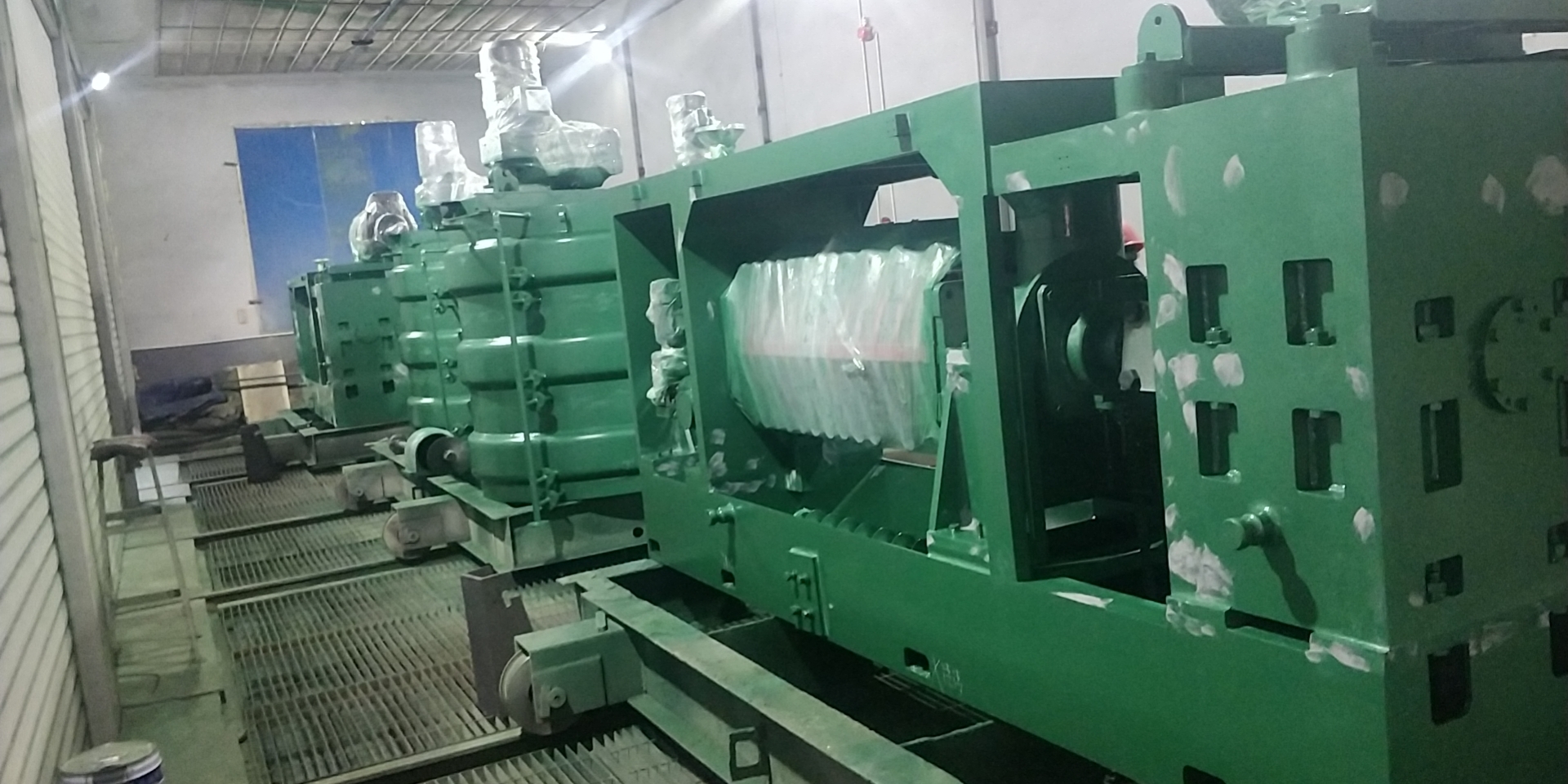
Controlling the pressing temperature is essential for optimizing oil quality. Different oils have different optimal pressing temperatures. For soybean oil, the ideal pressing temperature is around 110 - 120°C. At this temperature range, the acid value of the oil can be reduced by about 20%, which significantly improves the oil's stability and shelf - life.
Let's compare the pressing characteristics of common raw materials such as peanuts, soybeans, and rapeseeds. Peanuts have a high oil content, usually around 40 - 50%. Their hard shells require more pressure during the pressing process. Soybeans, on the other hand, have a lower oil content of about 18 - 22% but are easier to process due to their soft texture. Rapeseeds have an oil content of 35 - 45% and are known for their unique flavor. A table below summarizes these differences:
| Raw Material | Oil Content | Processing Difficulty |
|---|---|---|
| Peanuts | 40 - 50% | High |
| Soybeans | 18 - 22% | Low |
| Rapeseeds | 35 - 45% | Medium |
The pre - heating function can significantly improve oil quality. Pre - heating the raw materials to an appropriate temperature can break down the cell walls of the oil - bearing materials more effectively, increasing the oil yield by about 5 - 8%. In addition, it can also improve the clarity of the oil.

Many small and medium - sized oil mills make mistakes in the selection process, such as choosing an oil press with an inappropriate capacity. An oversized oil press may lead to high energy consumption, while an undersized one may not meet the production requirements. By optimizing the screw shaft design and temperature control, energy consumption can be reduced by up to 20%.
In conclusion, understanding the core technologies of screw oil presses is crucial for small and medium - sized oil mills. By making scientific selections, these mills can improve their production efficiency, enhance oil quality, and gain a competitive edge in the market. If you are interested in learning more about our small and medium - sized screw oil press solutions, click here to explore further.