
I’ve spent over a decade working with mid-sized screw oil presses across Southeast Asia and Europe. One truth stands out: if your temperature control system isn’t stable, nothing else matters — not even the best raw materials.
In our field tests, we observed that a mere ±5°C fluctuation in heating zone temperature led to an average 7% drop in oil yield and a 30% increase in cloudy oil batches. For comparison, maintaining ±1°C stability resulted in consistent clarity and up to 94% extraction efficiency — especially critical when processing soybeans or rapeseed with variable moisture levels.
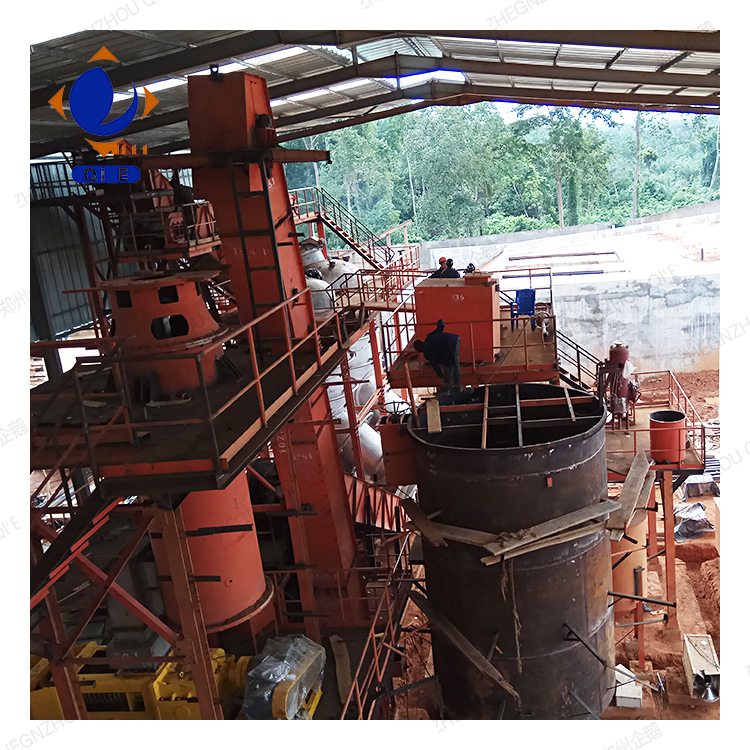
It’s not just about “keeping it hot.” Protein denaturation starts at 65°C — but only when controlled. Unstable temperatures cause uneven unfolding, leading to emulsions that resist separation. Meanwhile, lipid oxidation accelerates beyond 80°C without proper insulation, generating off-flavors and reducing shelf life by up to 2 weeks in some cases.
We recommend setting pre-heating zones between 55–65°C for high-moisture seeds (like sunflower or flaxseed), and 65–75°C for dry ones (such as peanuts or sesame). This small adjustment can reduce energy consumption by up to 12%, while improving oil quality consistently.
If your machine triggers code E03 (“Heater Fault”), don’t rush to replace parts. In 70% of cases, it’s due to poor thermal contact between the sensor and heater block — often caused by dust accumulation or misalignment. A simple cleaning and recalibration take 15 minutes and prevent unnecessary downtime.
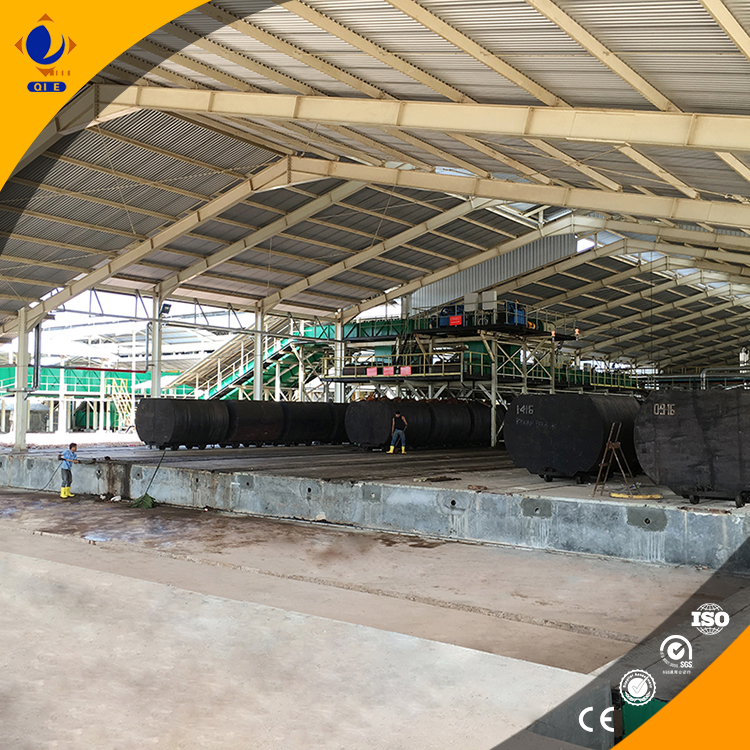
For operators, this means: monitor daily logs, log temperature deviations, and create a checklist. We’ve seen plants cut maintenance costs by 25% after implementing a weekly “temperature health check” routine — no extra tools needed, just attention to detail.
Stable temperature management doesn’t just improve today’s output — it extends equipment life. Our data shows that consistent ±1°C control reduces wear on heating elements by up to 40% over two years compared to erratic settings. That’s less frequent replacements, fewer repairs, and lower total cost of ownership.
And yes — you’ll save energy too. Each 1°C reduction in average operating temperature translates to roughly 3% lower electricity usage per batch. Multiply that across 500 batches/month, and you’re looking at real savings.
Get a printable PDF guide tailored for screw oil press operators — including ideal settings for different oils, alarm response flow, and a monthly maintenance tracker.
Access the Checklist Now →
 499
|
499
|
 QIE oil pressing equipment
oil extraction machines by QIE
advanced oil pressing technology
high-efficiency oil production equipment
ISO9001 oil equipment
plant oil extraction systems
reliable oil pressing solutions
eco-friendly oil production machines
one-stop oil equipment solutions
QIE oil pressing equipment
oil extraction machines by QIE
advanced oil pressing technology
high-efficiency oil production equipment
ISO9001 oil equipment
plant oil extraction systems
reliable oil pressing solutions
eco-friendly oil production machines
one-stop oil equipment solutions
 154
|
hydraulic oil press machine
efficient oil extraction technology
high oil recovery press
fully automated hydraulic press
eco-friendly oil extraction equipment
154
|
hydraulic oil press machine
efficient oil extraction technology
high oil recovery press
fully automated hydraulic press
eco-friendly oil extraction equipment
 499
|
secondary pressing
solvent extraction
screw press machine
residual oil rate
small oil mill processing
499
|
secondary pressing
solvent extraction
screw press machine
residual oil rate
small oil mill processing
 494
|
ZY24 (202 - 3) screw oil press
multifunctional oil press
multi - oilseed pressing
small and medium - sized oil mill equipment
solvent extraction pressing
494
|
ZY24 (202 - 3) screw oil press
multifunctional oil press
multi - oilseed pressing
small and medium - sized oil mill equipment
solvent extraction pressing
 196
|
Medium - sized screw oil press
Vegetable oil extraction equipment
Multi - functional oil press
High - efficiency hydraulic oil press
Vegetable oil processing equipment
196
|
Medium - sized screw oil press
Vegetable oil extraction equipment
Multi - functional oil press
High - efficiency hydraulic oil press
Vegetable oil processing equipment










.jpg)