We’ve seen it too many times—your medium-sized screw oil press suddenly triggers a temperature alarm, and the screen shows “±3°C deviation.” At first glance, it might seem minor—but in reality, this small variance can lead to significant losses in oil yield, protein degradation, and unstable emulsions.
In our experience, even a 3°C fluctuation across the heating zones (typically set between 110–130°C for soybean or rapeseed) can reduce oil extraction efficiency by up to 7%. Why? Because inconsistent heat disrupts the natural moisture release from the raw material, leading to incomplete pressing and increased residual oil content. In one case study we documented, a plant in Brazil lost nearly $4,200/month due to repeated misdiagnoses of sensor faults when the real issue was poor insulation on the heating ring.
Real Mistake Alert: A technician in Indonesia once replaced a working PT100 sensor because they assumed it was faulty—only to find out later that the actual problem was a loose connection in the control module. This delay cost 3 days of production downtime.
Modern screw presses use segmented heating zones with feedback loops from multiple sensors placed at different points along the barrel. If one sensor reads +2°C while another reads -1°C, the controller may struggle to balance the system. We recommend checking three key areas first:
Here’s what we teach our field engineers: Start with the simplest checks before moving to complex diagnostics.
In lab tests conducted with both soybean and sunflower seeds, maintaining a stable ±1°C range improved oil clarity by 12% compared to ±5°C—measured via ASTM D1003 turbidity standards. That’s not just theory—it’s measurable impact on final product quality.
Download our free Temperature Setting Self-Checklist PDF—used by over 300 oil mills worldwide to prevent unnecessary alarms and optimize performance.
Click Here to Get Your Free Checklist
 439
|
439
|
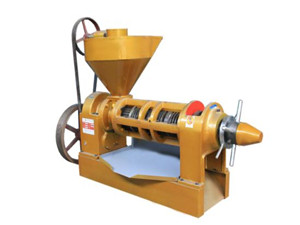
 6YL-185 Screw Hydraulic Press
6YL-185 Spiral Hydraulic Press
6YL-185 Oil Press
Efficient Oil Extraction Machine
Vegetable Oil Processing Equipment
Commercial Oil Machinery
High Yield Oil Press
Durable Screw Oil Press
Versatile Oil Extractor
6YL-185 Screw Hydraulic Press
6YL-185 Spiral Hydraulic Press
6YL-185 Oil Press
Efficient Oil Extraction Machine
Vegetable Oil Processing Equipment
Commercial Oil Machinery
High Yield Oil Press
Durable Screw Oil Press
Versatile Oil Extractor
 146
|
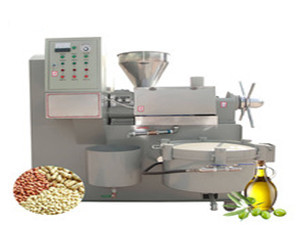
Multifunctional Spiral Hot And Cold Oil Press
Spiral Hot And Cold Oil Press for Edible Oil
Oil Extraction Machinery - Multifunctional Spiral Press
High Efficiency Spiral Oil Press
Durable Multifunctional Oil Extraction Equipment
Cold Pressing Machine - Spiral Oil Press
Hot Oil Press Solutions for Natural Oil Production
Versatile Oil Press for Various Seeds
Spiral Oil Press for Small Oil Processing Plants
Environmental Friendly Spiral Oil Extraction Machine
146
|
Multifunctional Spiral Hot And Cold Oil Press
Spiral Hot And Cold Oil Press for Edible Oil
Oil Extraction Machinery - Multifunctional Spiral Press
High Efficiency Spiral Oil Press
Durable Multifunctional Oil Extraction Equipment
Cold Pressing Machine - Spiral Oil Press
Hot Oil Press Solutions for Natural Oil Production
Versatile Oil Press for Various Seeds
Spiral Oil Press for Small Oil Processing Plants
Environmental Friendly Spiral Oil Extraction Machine
 61
|
ZY24 Spiral Oil Press
versatile oil press machine
small to medium oil mills
61
|
ZY24 Spiral Oil Press
versatile oil press machine
small to medium oil mills
 475
|
multifunctional peanut oil refining equipment
oil mill revenue growth
industrial refining solutions
475
|
multifunctional peanut oil refining equipment
oil mill revenue growth
industrial refining solutions
 153
|
mini palm oil production line equipment
efficient eco-friendly oil extraction equipment
customized palm oil processing equipment
153
|
mini palm oil production line equipment
efficient eco-friendly oil extraction equipment
customized palm oil processing equipment