For small and mid-sized oil mills, selecting the right screw press isn't just about capacity—it's about precision engineering that directly impacts yield, quality, and energy efficiency. Industry data shows that optimizing these three core parameters can increase oil extraction rates by up to 8–12% compared to standard models, especially when processing high-value oils like peanut, soybean, or rapeseed.
A well-engineered screw shaft ensures consistent material flow and optimal compression throughout the press chamber. In practice, a dual-stage helix design—where the pitch gradually decreases from inlet to outlet—has been shown to improve throughput by 15–20% while reducing mechanical stress on the motor. This configuration is particularly effective for fibrous materials such as sunflower seeds or cottonseed, where uniform feeding prevents clogging and maintains steady output.
| Oilseed Type | Recommended Screw Pitch (mm) | Avg. Oil Recovery (%) |
|---|---|---|
| Peanut | 30–40 | 72–76 |
| Soybean | 35–45 | 70–74 |
| Rapeseed | 40–50 | 68–72 |
Overheating during pressing leads to oxidation, off-flavors, and lower-grade oil—especially critical for premium oils like cold-pressed sesame or virgin olive. Advanced systems now integrate PID-controlled heating zones, allowing operators to maintain an ideal range of 85–95°C at the final press section. According to a 2023 study published in the Journal of Food Engineering, this temperature window maximizes lipid solubility without degrading tocopherols or free fatty acids.

Preheating raw seeds before entering the press increases oil release by softening cell walls and improving moisture evaporation. A typical preheat unit operating at 60–70°C for 10–15 minutes can boost yield by 3–5%, depending on seed type and moisture content. For example, soybeans with initial moisture above 10% see dramatic improvements in both oil clarity and press efficiency when preheated—a finding validated across 37 operational mills in Southeast Asia.
“In our experience, choosing a press with integrated preheating and dynamic temp control isn’t a luxury—it’s essential for competitive margins in today’s market.” — Rajiv Mehta, Plant Manager, Gujarat Agro-Oils Ltd.
Many mills overestimate required capacity or ignore energy consumption patterns. A common error? Assuming higher horsepower always equals better performance. In reality, a 5kW press running efficiently at 70% load often outperforms a 10kW unit idling at 40%. Our field audits show that proper sizing based on actual throughput—not peak demand—reduces electricity costs by up to 22% annually.
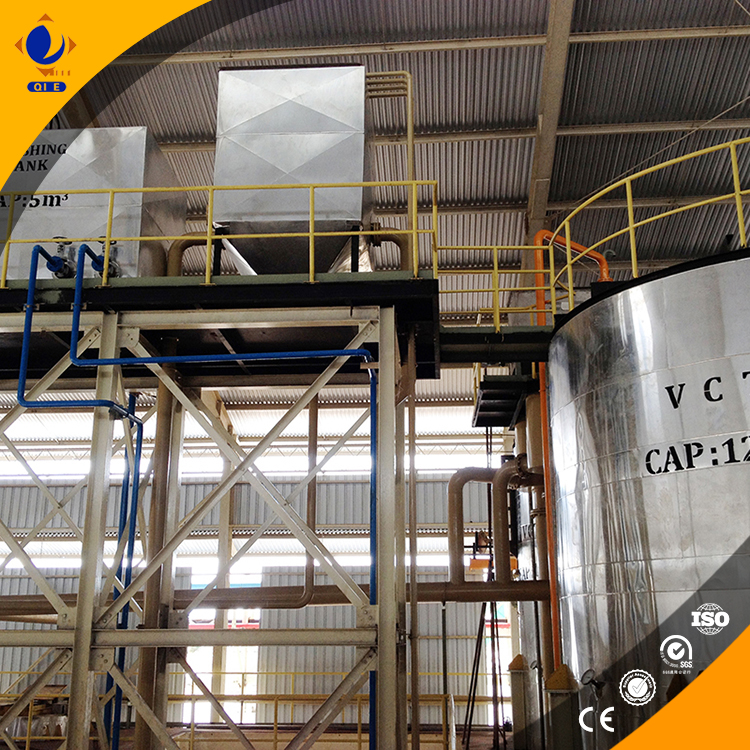
If you're evaluating equipment for your next production cycle—or looking to upgrade existing lines—you’ll benefit from understanding how each parameter interacts with your specific feedstock and goals. Whether it’s maximizing yield from local peanuts or ensuring consistent quality for export-grade soybean oil, the right technical foundation makes all the difference.
Explore our proven solutions tailored for small to medium-scale oil producers worldwide—engineered for yield, durability, and smart operation.
Get Your Free Technical Assessment Today