https://shmuker.oss-cn-hangzhou.aliyuncs.com/data/oss/65b068c3c2e9735675cac322/65b46cb67cfeb5177346777c/20240426173741/未标题-1_画板%201.png

Screw Oil Press Speed Control Tips to Boost Oil Yield: Precision RPM, Gap and Pressure Tuning
2026-04-15
QI ' E Group
Application Tutorial
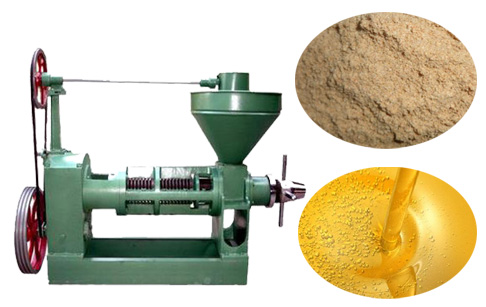
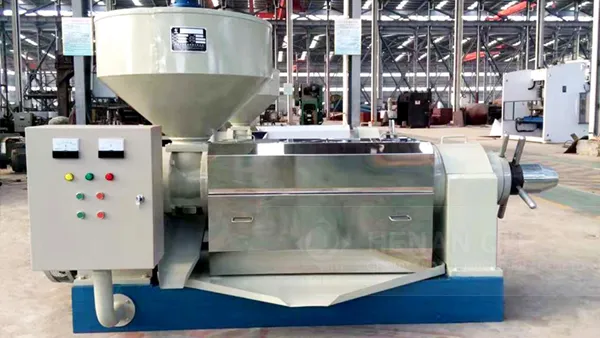
Mastering screw oil press speed control is one of the most reliable ways to increase oil yield and stabilize throughput. This practical guide shows you how to fine-tune RPM, match screw clearance to material behavior, and use pressure feedback to prevent common mistakes that reduce capacity or cause quality swings. You’ll learn oilseed-specific adjustment strategies for soybean, rapeseed, and peanut, along with a standardized start-up to shutdown checklist and key safety precautions for daily operation. The article also includes real-world performance data (e.g., yield improvement ranges by percent), a boxed case study for fast reference, and a suggested parameter comparison table to help you standardize settings across batches. For more high-efficiency pressing solutions, visit the Penguin Group technical documentation center.
https://shmuker.oss-accelerate.aliyuncs.com/data/oss/common/20240703143709/20240703/2a77065528fa87210914fa439a9c80fe.jpg

Screw Oil Press Speed Control: The Practical Way to Raise Oil Yield (Without Guesswork)

When you run a spiral (screw) oil press, the motor speed is not just a number on a panel—it is a lever that changes dwell time, cake backpressure, and ultimately oil recovery. If your yield swings from shift to shift, or your cake moisture/oil content looks inconsistent, you’re usually looking at a speed–gap–pressure mismatch.

This hands-on guide is written for operators. You’ll learn how to set RPM logically, match screw clearance (gap) to material behavior, read pressure feedback, and standardize your start/stop routine—so output is stable and quality doesn’t drift. For training sheets and deeper specs from Penguin Group, keep an eye on the in-page technical resources link near the end.

1) Spot the Real Problem: Common Speed-Control Mistakes That Cut Yield

In most plants, “low yield” is blamed on raw material quality first. Often, the faster win is fixing the control logic. Here are the speed mistakes that most frequently reduce oil recovery in screw presses:

Operator-level red flags (check these before changing anything else)

  • Over-speeding to chase throughput: reduces residence time and compression stability; typical result is +0.6% to +1.5% oil left in cake on soy/rapeseed lines.
  • Under-speeding to “increase pressure”: can overheat, smear the meal, and create intermittent plugging—yield may look better for 10 minutes, then collapses.
  • RPM changes without gap/pressure re-balance: speed affects the pressure curve; if you don’t adjust the choke/cake thickness accordingly, you get instability (vibration, torque spikes).
  • Using motor current as the only signal: current matters, but also watch discharge cake texture, oil clarity, and barrel temperature.

Your goal is not “max pressure” or “max RPM.” Your goal is stable compression: consistent cake density, controllable temperature, steady oil flow, and no sudden torque surges.
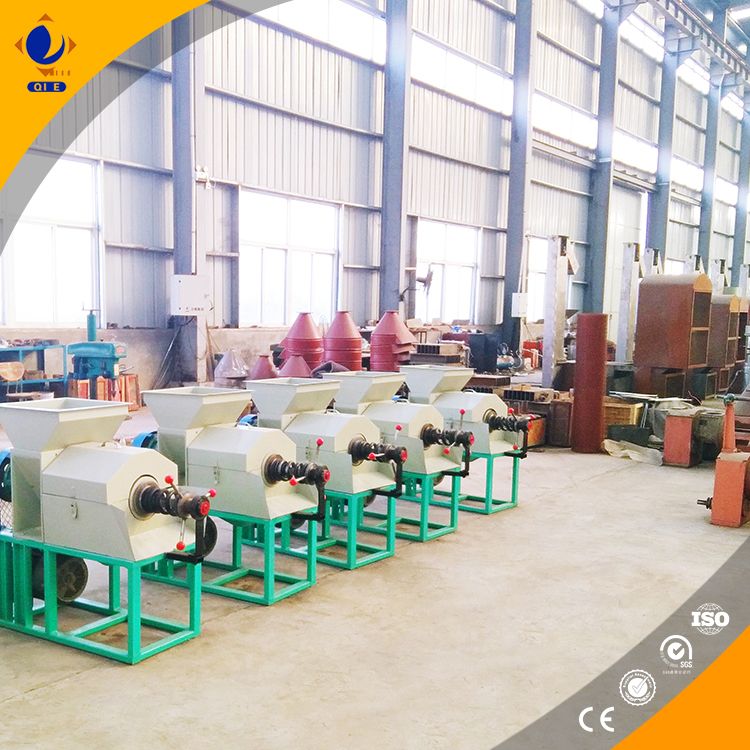
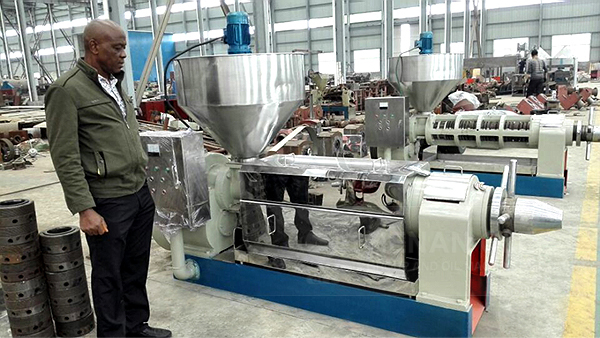
Operator adjusting screw oil press drive speed and monitoring torque and temperature trends

2) The Control Logic: How to Set RPM, Screw Clearance, and Pressure as One System

2.1 RPM setting: think “dwell time” and “compression stability”

In a screw press, RPM changes how long the material stays under compression and how quickly pressure builds. A practical approach is to start from a stable baseline RPM and then move in small steps (e.g., ±3–5%) while observing cake oiliness, motor current trend, and barrel temperature trend.

As a field reference, many mid-size screw presses run within a band where changes of 10% RPM can move residual oil in cake by roughly 0.3–0.9 percentage points depending on seed prep, moisture, and conditioning.

2.2 Screw clearance (gap): match it to how the material “flows” under pressure

Screw gap is your mechanical “valve.” Too tight and you risk overheating, fiber smearing, and choking; too wide and pressure never forms, so oil stays trapped. Use this matching rule:

Gap matching principle (easy to remember)

“Soft / oily / high-fat seeds” (e.g., peanut) generally tolerate slightly wider clearances to avoid smearing and overheating, while “hard / small / high-fiber seeds” (e.g., rapeseed/canola) often need tighter clearances to build pressure early and keep the cake compact.

2.3 Pressure feedback: read trends, not single numbers

Whether you read pressure from a gauge, torque from a VFD, or motor current, focus on trend stability. A healthy press typically shows a steady trend line with small, repeatable ripples. If you see rapid oscillation, you may be cycling between over-compression and slip.

Fast diagnosis table (what you see → what to adjust first)

Symptom Likely cause First adjustment Then verify
Cake looks wet/oily, pressure low RPM too high or gap too wide Reduce RPM 3–5% or tighten discharge/choke slightly Residual oil in cake drops by ~0.3–0.7%
Torque/current spikes, vibration increases Over-compression, partial plugging Increase RPM 2–4% or open gap slightly Temperature stabilizes; spikes disappear
Oil gets darker, burnt odor rises Excess friction heat (RPM low + gap tight) Open gap a step or raise RPM slightly Oil color index improves; fewer fines
Throughput drops after 20–40 min Heat build-up, cake compaction drift Re-center RPM and re-check conditioning moisture/temperature Output returns; cake texture consistent

Data notes: the percentage ranges above are typical operational references reported in routine pressing of soy/canola/peanut under stable pre-conditioning; your line may vary with seed prep, wear, and filtration.
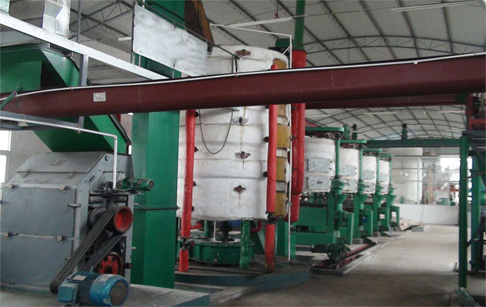
Comparison of press settings for different oilseeds showing speed, screw clearance and pressure balance

3) Material-Specific Tuning: Soybean vs. Rapeseed vs. Peanut

Different oilseeds do not “forgive” the same way. Use the notes below as a practical starting point, then lock your best settings into a shift checklist.

Soybean: stable, but sensitive to conditioning

If soybean prep drifts, operators often compensate with RPM changes—and yield becomes inconsistent. In many plants, keeping a stable conditioning window can reduce residual oil fluctuations by ~0.5%.

  • If cake is shiny/oily: reduce RPM in small steps first; then tighten discharge slightly.
  • If current climbs gradually: check moisture/temperature before tightening any mechanical settings.

Rapeseed/Canola: small seed, fast pressure build, watch over-compression

Canola often builds pressure quickly. If you tighten too much while also slowing RPM, you may see temperature rise and color darkening. A controlled adjustment (e.g., +3% RPM while slightly opening the choke) can restore stability and keep oil color consistent.

  • Target behavior: compact cake with minimal fines and stable oil flow.
  • Avoid: long periods at high torque—this is when overheating and micro-plugging appear.

Peanut: high oil, risk of smearing—use speed to maintain flow

Peanut can smear under excessive friction. If you see pasty discharge or rising barrel temperature, don’t only tighten for “more pressure.” Often, a small RPM increase plus a slight clearance opening improves flow and keeps yield stable. Plants frequently report ~1–2% throughput recovery after correcting smearing-related instability.
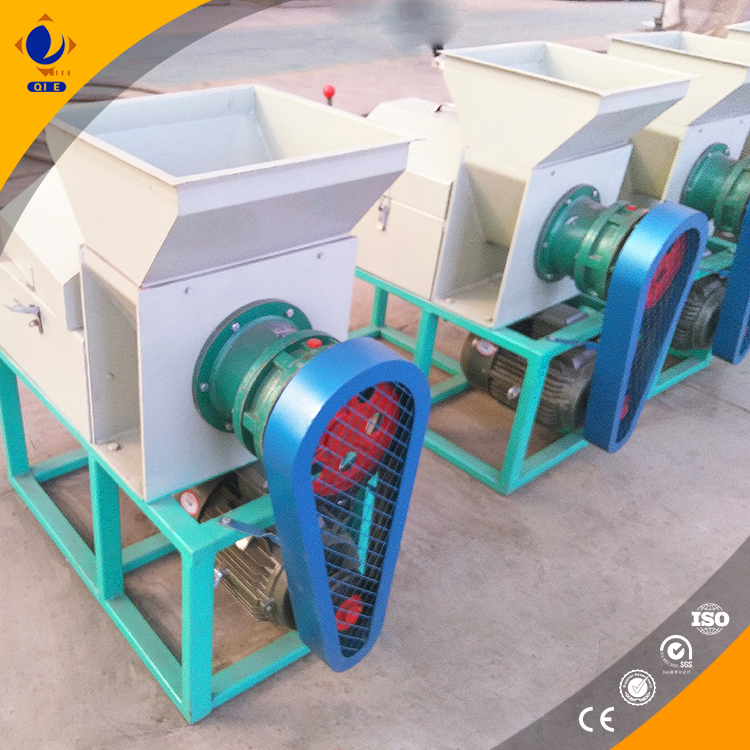
  • Clue you’re too tight: cake gets sticky, oil looks cloudy with fines.
  • Best response: open a step, stabilize temperature, then re-optimize RPM.
Standard operating checklist for screw oil press start-up adjustment and shutdown safety verification

4) Standardized Operating Procedure (SOP): From Start-Up to Shut-Down

Start-up (keep it repeatable)

  1. Pre-check: confirm lubrication, guards, emergency stop, and that press barrel/screens are clean and correctly installed.
  2. Baseline settings: set RPM to your proven “stable” value; keep discharge/choke at the standard mark for the material.
  3. Warm and feed gradually: ramp feed rate slowly until oil flow is continuous and cake texture is consistent.
  4. Stability hold: wait 10–15 minutes before making yield-focused adjustments; early tweaking often causes oscillation.
  5. Micro-adjust: change only one variable at a time (RPM or choke or gap), in small steps, then observe for at least 5–8 minutes.

Running checks (every 30–60 minutes)

  • Trend signals: motor current/torque trend, barrel temperature trend, discharge texture trend.
  • Quality signals: oil clarity, fines level, odor; cake dryness and uniformity.
  • Documentation: log RPM, choke position, and any events (plugging, abnormal noise). This is your fastest route to repeatable yield.

Shut-down (protect the press and your next start-up)

  1. Reduce feed gradually; avoid stopping under high load.
  2. Run briefly to clear the chamber (as per your plant’s procedure), then stop.
  3. Lockout/tagout before any cleaning or adjustment.

5) Safety Notes You Should Not “Get Used To”

Screw presses are forgiving—until they aren’t. The risky moments are usually during clearing, adjusting, and restart after a near-plug.

  • Never adjust near rotating parts: use proper tools and follow lockout/tagout.
  • Watch heat exposure: barrel and discharge areas can cause burns; use gloves and sleeves rated for hot surfaces.
  • Be cautious with “force clearing”: sudden release can eject hot meal/oil. Clear jams only per your OEM procedure.
  • Electrical/VFD safety: RPM tuning is a process control action—only trained personnel should alter drive parameters beyond the set operating range.

Want a Faster, More Stable Yield Ramp-Up?

If you’re building a repeatable setup for multiple oilseeds, it helps to standardize RPM steps, gap marks, and pressure/torque limits into one operator-ready sheet. Learn more efficient pressing solutions in our documentation hub.

Explore Penguin Group’s Screw Oil Press Parameter Guide (RPM • Gap • Pressure)

Tip: Bring your current RPM, cake residual oil %, and material type—those three inputs are usually enough to recommend a first-pass tuning plan.

Recommended Products
Related Reading
https://shmuker.oss-accelerate.aliyuncs.com/data/oss/common/20240703104641/20240703/624103308b2c113b393e4d2993ebc159.jpg
2026-04-12 | https://shmuker.oss-accelerate.aliyuncs.com/tmp/temporary/60ec5bd7f8d5a86c84ef79f2/60ec5bdcf8d5a86c84ef7a9a/20240305161110/eye.png 380 | https://shmuker.oss-accelerate.aliyuncs.com/tmp/temporary/60ec5bd7f8d5a86c84ef79f2/60ec5bdcf8d5a86c84ef7a9a/20240305160636/lable.png hydraulic oil press common faults pressing efficiency decline reasons hydraulic system maintenance methods plant oil press maintenance guide oil press repair techniques
https://shmuker.oss-accelerate.aliyuncs.com/data/oss/65b068c3c2e9735675cac322/668263a4df9f6e7a1281439c/20240709151517/7.jpg
2026-03-10 | https://shmuker.oss-accelerate.aliyuncs.com/tmp/temporary/60ec5bd7f8d5a86c84ef79f2/60ec5bdcf8d5a86c84ef7a9a/20240305161110/eye.png 372 | https://shmuker.oss-accelerate.aliyuncs.com/tmp/temporary/60ec5bd7f8d5a86c84ef79f2/60ec5bdcf8d5a86c84ef7a9a/20240305160636/lable.png soybean crushing particle size oil press equipment efficiency crushing particle size control oil extraction process optimization industrial oilseed pretreatment
https://shmuker.oss-accelerate.aliyuncs.com/data/oss/common/20241123144827/20241123/1f2df9af4ff05dcf9b923540b3b6bb0b/HTB1YHnxcWLN8KJjSZFKq6z7NVXal.jpg
2026-03-19 | https://shmuker.oss-accelerate.aliyuncs.com/tmp/temporary/60ec5bd7f8d5a86c84ef79f2/60ec5bdcf8d5a86c84ef7a9a/20240305161110/eye.png 135 | https://shmuker.oss-accelerate.aliyuncs.com/tmp/temporary/60ec5bd7f8d5a86c84ef79f2/60ec5bdcf8d5a86c84ef7a9a/20240305160636/lable.png oil pressing pretreatment module oilseed storage silo design hammer mill vs roller crusher oilseed conditioning softening PLC automation for oil mill
https://shmuker.oss-accelerate.aliyuncs.com/data/oss/65b068c3c2e9735675cac322/668263a4df9f6e7a1281439c/20240709151517/7.jpg
2026-03-07 | https://shmuker.oss-accelerate.aliyuncs.com/tmp/temporary/60ec5bd7f8d5a86c84ef79f2/60ec5bdcf8d5a86c84ef7a9a/20240305161110/eye.png 198 | https://shmuker.oss-accelerate.aliyuncs.com/tmp/temporary/60ec5bd7f8d5a86c84ef79f2/60ec5bdcf8d5a86c84ef7a9a/20240305160636/lable.png plant seed hydraulic oil pressing hydraulic oil press machine parameters oil yield optimization for oilseeds seed pretreatment moisture temperature control automatic control system for oil pressing
https://shmuker.oss-accelerate.aliyuncs.com/data/oss/65b068c3c2e9735675cac322/668263a4df9f6e7a1281439c/20240709151517/7.jpg
2026-03-03 | https://shmuker.oss-accelerate.aliyuncs.com/tmp/temporary/60ec5bd7f8d5a86c84ef79f2/60ec5bdcf8d5a86c84ef7a9a/20240305161110/eye.png 490 | https://shmuker.oss-accelerate.aliyuncs.com/tmp/temporary/60ec5bd7f8d5a86c84ef79f2/60ec5bdcf8d5a86c84ef7a9a/20240305160636/lable.png small hydraulic oil press plant seed hydraulic press selection hydraulic oil press automation oil yield improvement for seed pressing hydraulic oil press maintenance
Hot Products
Popular articles
Recommended Reading
Contact us
Contact us
https://shmuker.oss-cn-hangzhou.aliyuncs.com/tmp/temporary/60ec5bd7f8d5a86c84ef79f2/60ec5bdcf8d5a86c84ef7a9a/thumb-prev.png