
For small and medium-sized oilseed processors, selecting the right screw press isn’t just about buying equipment—it’s about aligning technology with operational goals. A well-chosen spiral extractor can boost yield by up to 8–12%, reduce energy consumption by 15–20%, and significantly improve oil quality consistency. This article dives into key technical parameters that influence performance—especially in handling common crops like peanuts, soybeans, and rapeseed—and offers practical insights based on real-world case studies from Southeast Asia, Africa, and South America.
Modern screw presses rely on a precision-engineered helical shaft that ensures uniform pressure distribution and smooth material flow. In high-efficiency models, the pitch angle (typically 25°–35°) and blade thickness are optimized for different feedstocks. For example, peanut meal requires a tighter pitch (28°) to prevent fiber breakage, while soybean cakes benefit from a wider pitch (32°) for better moisture removal. Data from a Malaysian oil mill shows that switching from standard to custom-tuned screw design increased throughput by 18% without compromising oil clarity.

Many operators overlook how temperature affects both extraction rate and final product stability. A study across 37 facilities found that maintaining an internal press temperature between 65°C and 75°C during pressing resulted in oil with 30% lower free fatty acid content compared to uncontrolled processes. This range minimizes thermal degradation while maximizing oil release from the cake. Advanced systems now integrate PID-controlled heating jackets and real-time thermocouple feedback—critical for consistent output in humid climates.
| Oilseed Type | Recommended Press Temp (°C) | Avg. Yield Increase (%) |
|---|---|---|
| Peanut | 65–70 | +9.5 |
| Soybean | 70–75 | +11.2 |
| Rapeseed | 68–72 | +8.7 |
Preheating raw seeds before pressing is often skipped due to perceived complexity—but it’s one of the most impactful steps for improving both efficiency and oil quality. By raising seed temperature to 45–55°C prior to entry, viscosity drops, allowing more efficient squeezing and reducing mechanical stress on the screw. One Indian facility reported a 15% reduction in motor load after installing a pre-heater module, leading to fewer breakdowns and longer machine life.
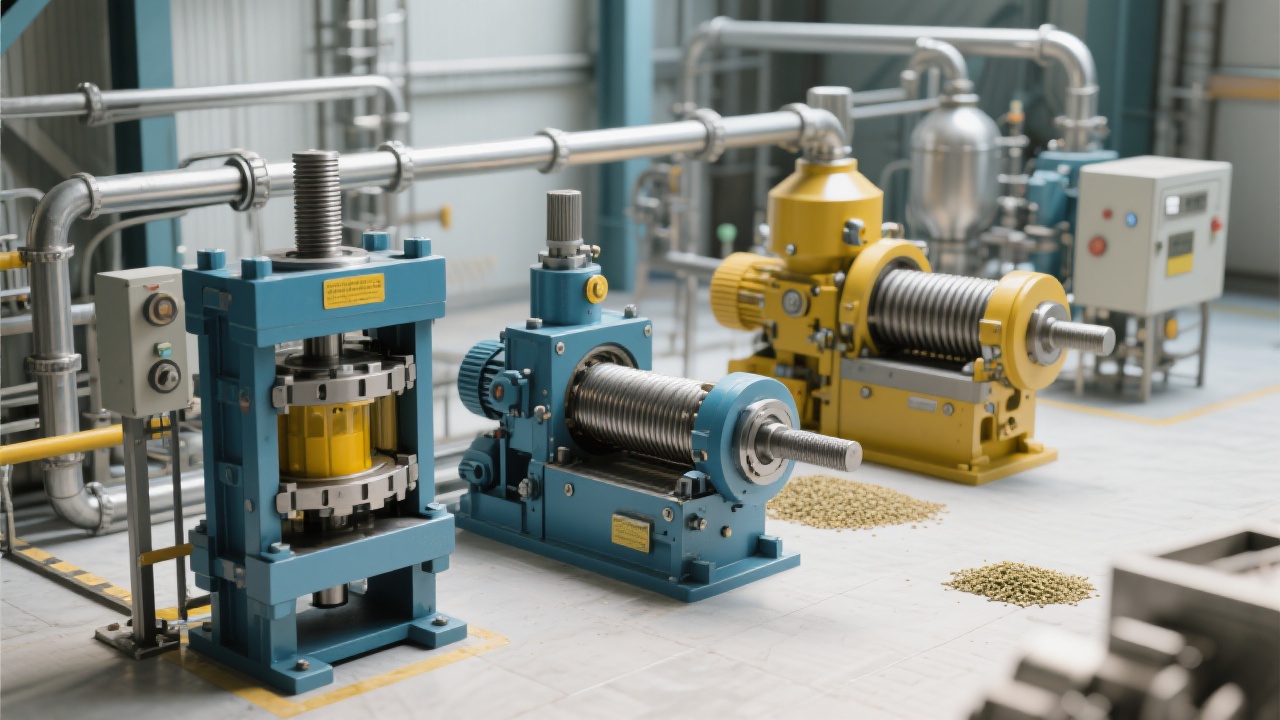
Too many buyers focus solely on capacity numbers without considering actual production patterns. A 2-ton-per-hour press may seem ideal, but if your daily run averages only 1.2 tons, you’ll face inefficient operation and higher per-unit costs. Similarly, ignoring energy efficiency metrics (like kWh/kg oil produced) can lead to long-term financial strain. Our clients in Kenya saw a 22% drop in electricity bills after upgrading to a model rated at 0.6 kWh/kg vs. 0.9 kWh/kg in older units.
Understanding these nuances isn't just theoretical—it's how smart processors turn equipment decisions into sustainable profit margins. Whether you're expanding or modernizing, the goal remains the same: maximize value from every kilogram of raw material.