How to Choose a Screw Oil Press for Small and Medium-Sized Oil Mills: Key Parameters and Comparative Analysis of Peanut, Soybean, and Rapeseed Applications
2025-12-02
Application Tips
This article provides a technical deep dive into selecting the right screw oil press for small and medium-sized oil mills, focusing on critical parameters such as screw shaft design, temperature control systems, and continuous material feeding efficiency. It compares the pressing characteristics of peanuts, soybeans, and rapeseeds—highlighting how equipment structure directly impacts oil yield and quality. The role of preheating in enhancing oil quality and production efficiency is also explored, along with common selection pitfalls and energy-saving strategies. Supported by real-world case studies and performance data, this guide offers actionable insights for decision-makers aiming to optimize operational efficiency and market competitiveness.
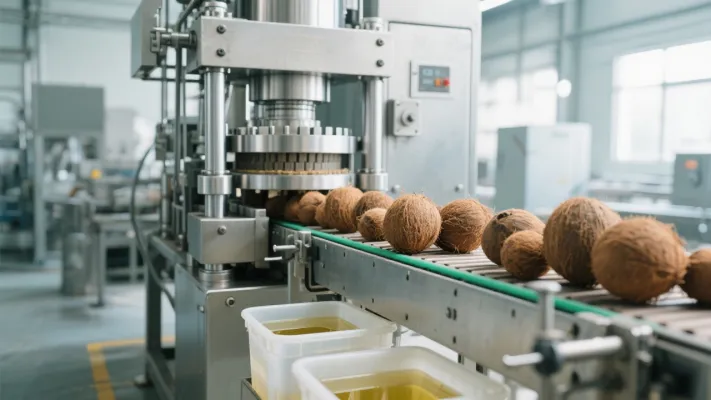
Choosing the Right Screw Press for Small to Medium-Sized Oil Mills
For small and medium-sized oil processing facilities, selecting the right screw press isn’t just about buying equipment—it’s about optimizing yield, reducing waste, and ensuring consistent oil quality across different feedstocks like peanuts, soybeans, and rapeseed.
Key Technical Parameters That Matter Most
When evaluating screw presses, focus on three core technical elements:
- Screw Shaft Design: A properly engineered helical screw with optimized pitch and compression zones can improve material flow by up to 25%, directly impacting extraction efficiency.
- Temperature Control System: Maintaining a stable internal temperature (typically 75–90°C) during pressing prevents thermal degradation of oils—especially crucial for high-value oils like peanut or sunflower.
- Continuous Feeding Efficiency: Systems that minimize downtime between batches reduce energy use by approximately 15% compared to intermittent models.
Oilseed-Specific Performance Differences
| Feedstock |
Ideal Pressing Temp (°C) |
Avg. Oil Yield (%) |
Notes |
| Peanuts |
75–85 |
48–52 |
High sensitivity to overheating—requires precise temp control. |
| Soybeans |
80–90 |
18–22 |
Good balance between throughput and oil recovery. |
| Rapeseed |
85–95 |
35–40 |
Higher fiber content demands robust screw design. |
In practice, many mills overlook how critical pre-heating is—not only for increasing oil flow but also for enhancing clarity and shelf life. For instance, a case study from a Malaysian peanut mill showed a 7% improvement in final oil quality after installing an integrated pre-heater in their screw press system.
Common Mistakes & Energy-Saving Tips
One frequent error? Choosing a machine based solely on initial cost rather than long-term operational efficiency. A poorly designed press may save $5k upfront but cost $15k more annually in electricity and maintenance.
Smart energy management includes:
- Using variable frequency drives (VFDs) to match motor speed with feed rate
- Implementing automated temperature feedback loops
- Regularly inspecting wear parts like bushings and liners
Ready to Optimize Your Oil Extraction Process?
Discover how our tailored screw press solutions have helped over 120 small-to-medium oil mills boost output while cutting energy consumption by up to 20%.
Explore Our Screw Press Solutions