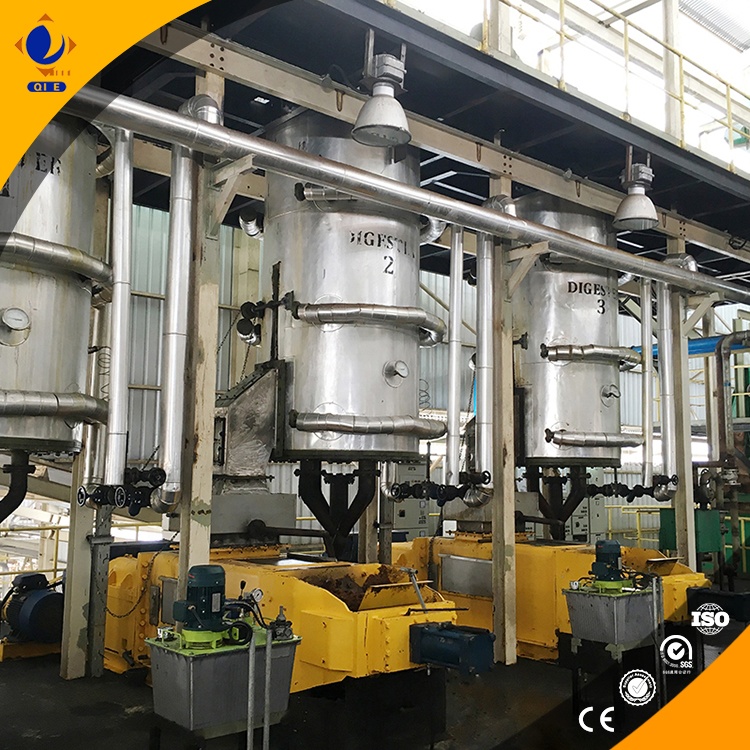
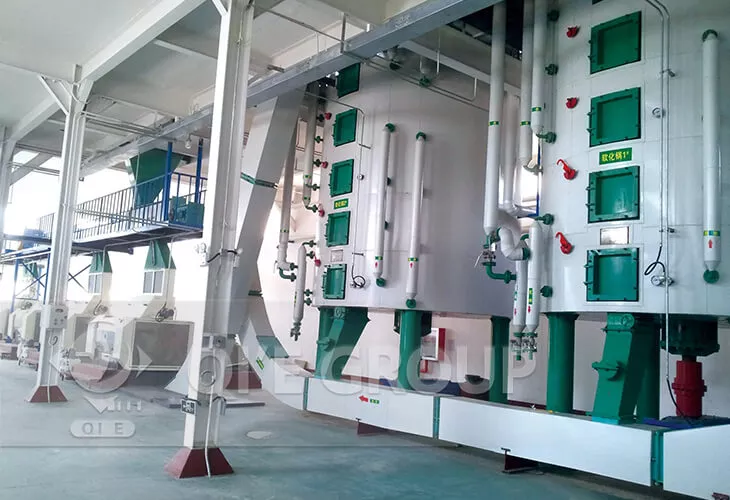
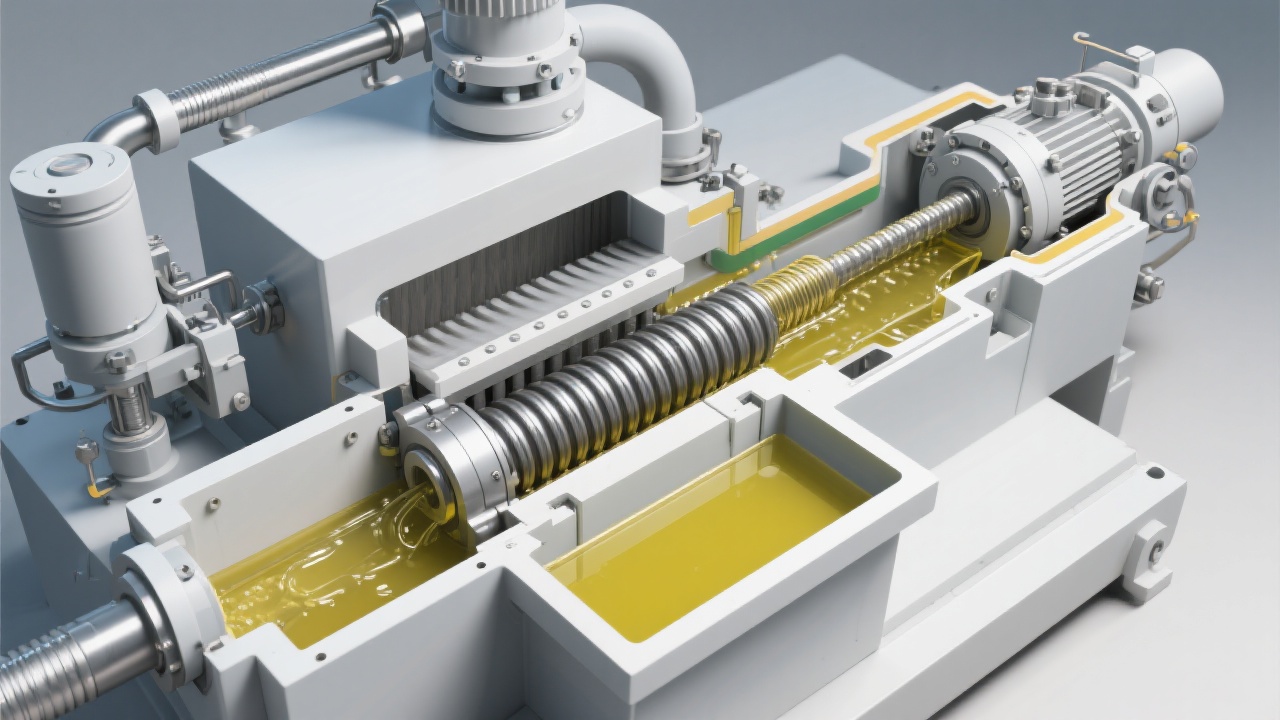
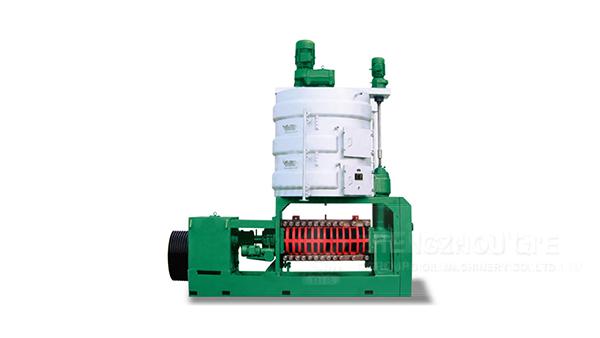
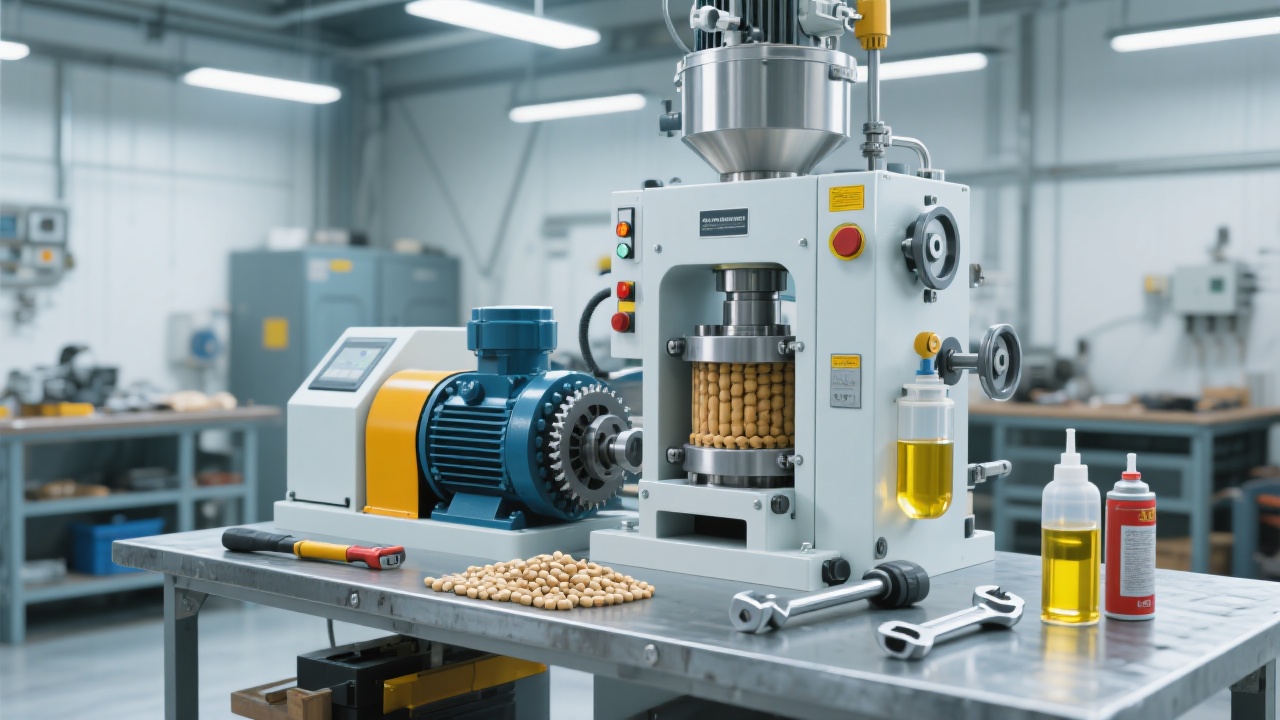
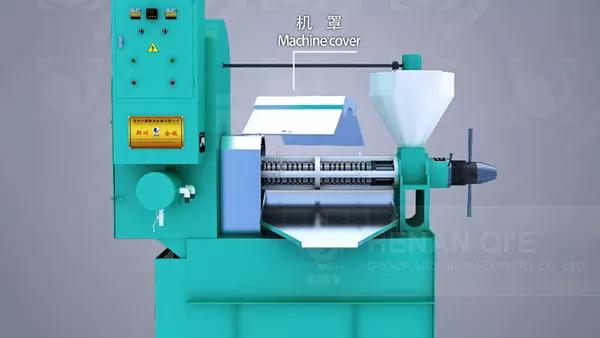
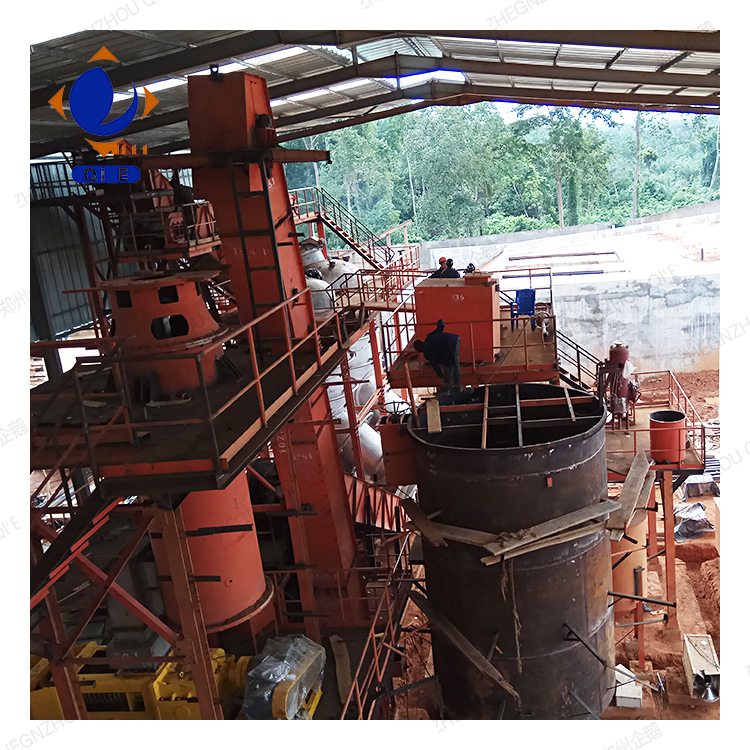
In the global oil - processing industry, medium - sized screw oil presses play a crucial role. The pretreatment stage of oilseeds is of great significance as it directly affects the efficiency of the pressing process and the quality of the final oil product. This article will delve into the key technical aspects of the pretreatment process for medium - sized screw oil presses.
Proper pretreatment can significantly enhance the performance of the oil press. For example, it can increase the oil extraction rate by up to 5 - 10% compared to non - pretreated oilseeds. This not only improves the economic benefits of the oil production but also helps to maintain the long - term stability of the equipment operation.
The raw material cleaning process is the first step in pretreatment. It helps protect the equipment from abrasion and ensures the quality of the oil. For instance, removing impurities such as sand and stones can reduce the wear and tear on the screw and other components of the press. As a result, the service life of the equipment can be extended by about 2 - 3 years.
Different oilseeds require different crushing granularities. For example, soybeans are usually crushed to a granularity of about 2 - 3 mm, while peanuts can be crushed to a slightly larger size of 3 - 4 mm. The appropriate granularity can ensure better contact between the oil and the press, thereby improving the oil extraction rate. Research shows that a well - controlled granularity can increase the oil extraction efficiency by 8 - 12%.
The stir - frying process parameters, including moisture content, temperature, and time, have a significant impact on protein denaturation and oil release. Generally, for sunflower seeds, a moisture content of about 8 - 10%, a temperature of 100 - 120°C, and a stir - frying time of 15 - 20 minutes can achieve good results. For sesame seeds, a lower moisture content of 5 - 7%, a higher temperature of 130 - 150°C, and a shorter stir - frying time of 10 - 15 minutes are more appropriate.
Let's take a look at the differences between sunflower seeds and sesame seeds in the pretreatment process. Sunflower seeds have a relatively high oil content and a soft shell, so they need a more moderate stir - frying process. In contrast, sesame seeds have a hard shell and a special flavor - generating mechanism during the stir - frying process, requiring more precise control of parameters. This comparison provides practical guidance for users to adjust the process according to different raw materials.
In the pretreatment process, problems such as material blockage and high oil content in oil residues often occur. For material blockage, it can be quickly identified by observing the abnormal noise and reduced feeding speed of the equipment. The solution is to adjust the feeding rate and check for any foreign objects in the feeding port. To reduce the oil content in oil residues, optimizing the stir - frying process and adjusting the pressing parameters can be effective methods.
Establishing a standard operating procedure (SOP) and a data - recording feedback mechanism is essential. SOP can ensure the consistency and stability of the pretreatment process, while data recording can help users continuously improve the process based on actual production results. This helps small and medium - sized oil mills optimize their production lines and achieve precise adaptation to multiple raw materials.
In conclusion, medium - sized screw oil presses have strong adaptability to multiple raw materials. By mastering the key technologies of the pretreatment process, users can significantly improve the efficiency and quality of oil production. If you want to learn more about the multi - raw material pretreatment technology of screw oil presses, click here to explore more details.

 362
|
362
|
 screw oil press optimization
canola peanut sunflower seed pressing technique
oil press barrel clearance adjustment
small scale oil mill process improvement
screw oil press operating guide
screw oil press optimization
canola peanut sunflower seed pressing technique
oil press barrel clearance adjustment
small scale oil mill process improvement
screw oil press operating guide
 78
|
multi-functional screw press
oilseed processing machine
rapeseed oil extractor
peanut press machine
solvent extraction press
78
|
multi-functional screw press
oilseed processing machine
rapeseed oil extractor
peanut press machine
solvent extraction press
 107
|
oilseed processing equipment customization
scalable oilseed pre-treatment solutions
versatile oilseed extraction systems
107
|
oilseed processing equipment customization
scalable oilseed pre-treatment solutions
versatile oilseed extraction systems
 256
|
Multifunctional Spiral Hot And Cold Oil Press
Oil Extraction Machine
Cold Press Oil Machine
Hot Press Oil Machine
High Efficiency Oil Press
Durable Oil Press Equipment
Oil Press for Edible Oils
Oil Production Machinery
Versatile Oil Press
Industrial Oil Extraction
256
|
Multifunctional Spiral Hot And Cold Oil Press
Oil Extraction Machine
Cold Press Oil Machine
Hot Press Oil Machine
High Efficiency Oil Press
Durable Oil Press Equipment
Oil Press for Edible Oils
Oil Production Machinery
Versatile Oil Press
Industrial Oil Extraction
 350
|
Penguin oil press equipment
efficient oil extraction machinery
eco-friendly oil processing plant
oilseed processing equipment
oil press investment return
350
|
Penguin oil press equipment
efficient oil extraction machinery
eco-friendly oil processing plant
oilseed processing equipment
oil press investment return