In the competitive global edible oil market, even a 1–2% improvement in oil extraction efficiency can translate into significant profit gains for mid-sized oil mills. A recent case study from a client in Ukraine highlights how precise adjustments to steam cooking parameters—part of the pre-treatment process—reduced residual oil in pressed cake from an average of 7.5% to just 4.2%, while also improving oil clarity and reducing machine downtime.
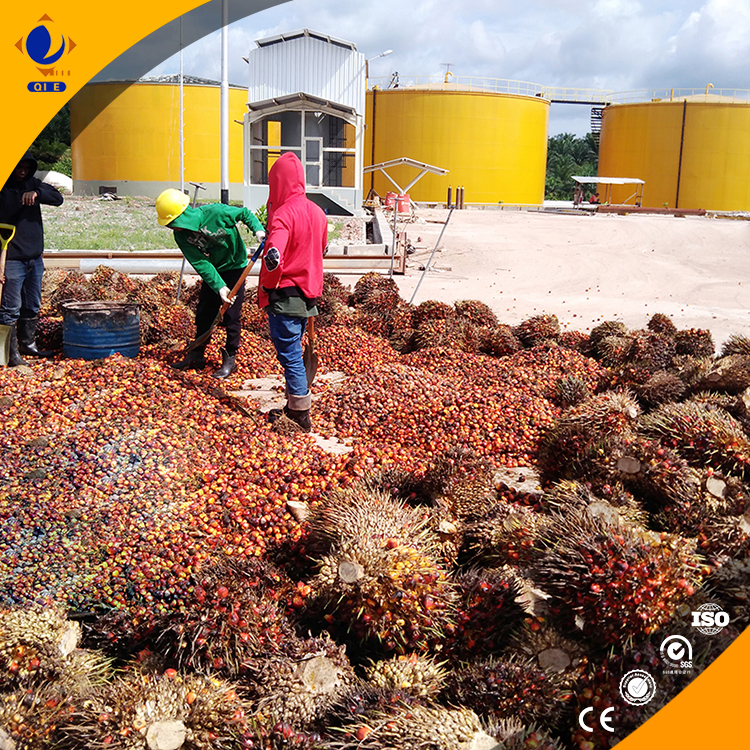
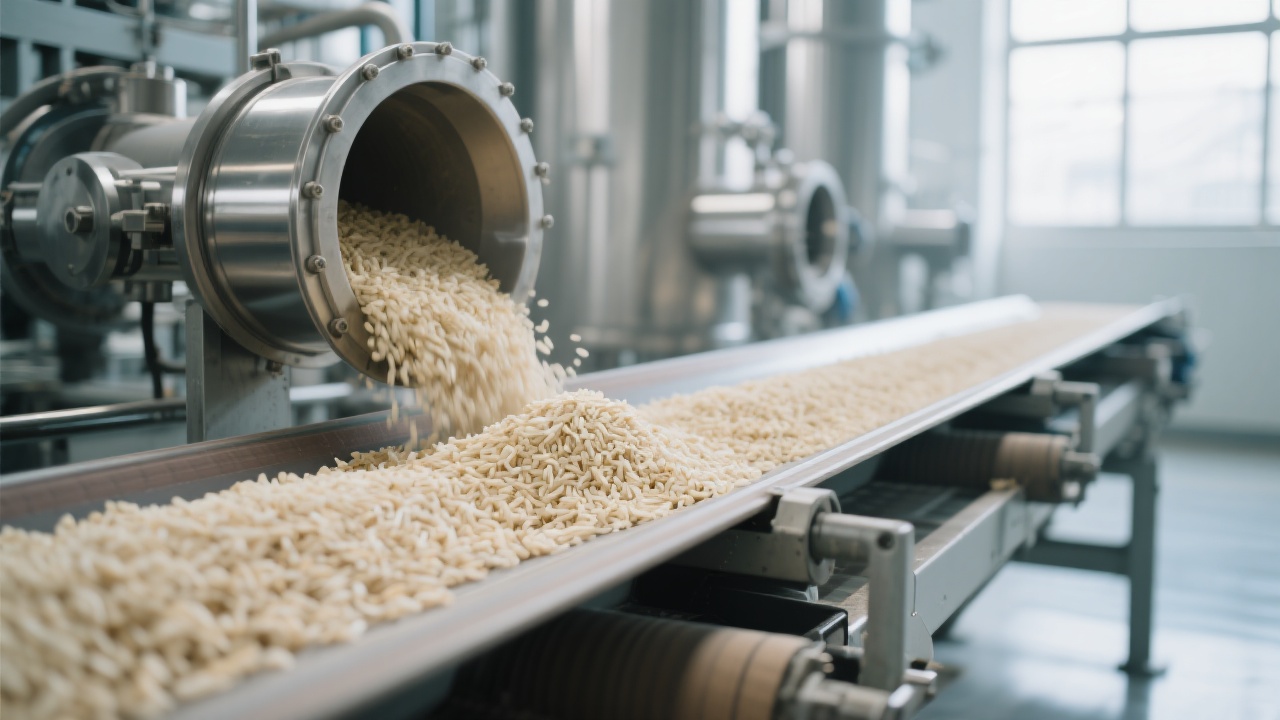
Many small-to-mid-scale oil processors overlook the critical role of pre-treatment—especially steam cooking—in determining final oil yield and quality. For sunflower seeds and sesame, both highly valued in Europe and Middle East markets, improper moisture control during steaming leads to either under-cooked kernels (high residue) or overcooked material (lower oil quality).
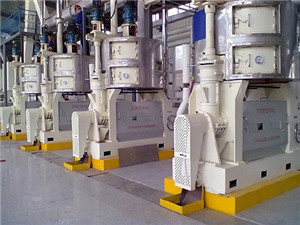
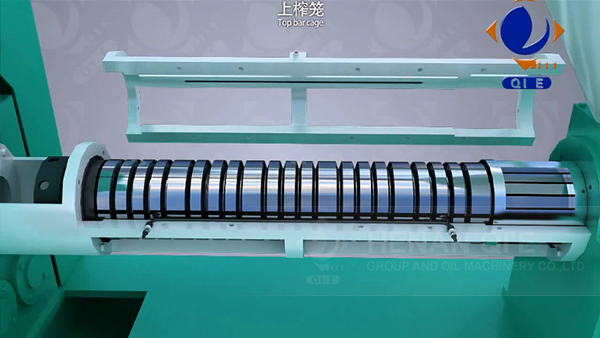
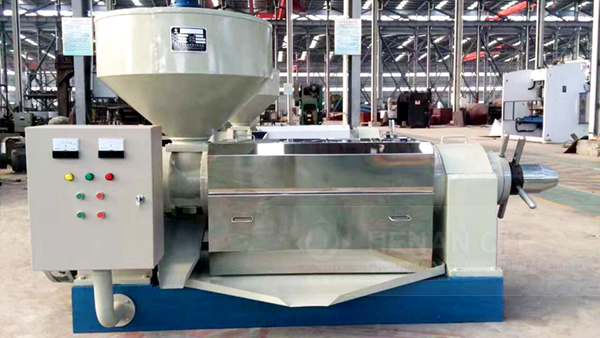
Our client used a medium-sized screw press (capacity: 5–10 tons/day). Initially, they followed generic guidelines: 10 minutes at 95°C with 12% moisture content. But after analyzing their output data over three months, we found that inconsistent grain size and uneven heating caused up to 20% variation in cake oil content across batches.
Based on lab testing and field observations, here’s what changed:
These changes were not arbitrary—they came from systematic sampling, temperature mapping inside the cooker, and real-time moisture monitoring using infrared sensors. The key takeaway? One-size-fits-all recipes don’t work when dealing with different oilseed types and local climate variations.
Two recurring problems plagued this mill before optimization:
Post-adjustment, the plant saw a 35% drop in maintenance calls related to clogged feeders and a consistent 4.0–4.5% oil residue rate across all production runs—a clear win for both productivity and profitability.
Pro Tip: Document every change. Use a simple logbook or digital form to track temperature, moisture, and cake oil levels per batch. Over time, this builds a powerful internal knowledge base—and helps you scale operations confidently.
While no single solution fits all, these insights show how targeted technical adjustments—not expensive new equipment—can drive measurable improvements in oil yield, product consistency, and operational reliability.

 361
|
361
|
 seed preprocessing line for oil extraction
efficient plant oil processing equipment
versatile oilseed preprocessing technology
seed preprocessing line for oil extraction
efficient plant oil processing equipment
versatile oilseed preprocessing technology
 497
|
Multifunctional Spiral Hot And Cold Oil Press
Spiral Oil Press
Hot and Cold Oil Press
Oil Extraction Equipment
Commercial Oil Press
Oil Press Machine for Seeds
High Efficiency Oil Press
Durable Oil Press Machine
Cold Press Oil Machine
Hot Press Oil Production
497
|
Multifunctional Spiral Hot And Cold Oil Press
Spiral Oil Press
Hot and Cold Oil Press
Oil Extraction Equipment
Commercial Oil Press
Oil Press Machine for Seeds
High Efficiency Oil Press
Durable Oil Press Machine
Cold Press Oil Machine
Hot Press Oil Production
 412
|
oil press equipment
oilseed processing efficiency
eco-friendly oil extraction
production optimization
investment return in oil processing
412
|
oil press equipment
oilseed processing efficiency
eco-friendly oil extraction
production optimization
investment return in oil processing
 324
|
Multifunctional Spiral Hot And Cold Oil Press
Oil extraction machine Multifunctional Spiral Press
High efficiency oil press Multifunctional Spiral
Hot and cold oil press Multifunctional Spiral
Durable Multifunctional Spiral Oil Press
Versatile oil press Multifunctional Spiral
User-friendly Multifunctional Spiral Oil Press
Eco-friendly Multifunctional Spiral Hot And Cold Press
Cost-effective oil extraction Multifunctional Spiral Press
Precision engineering Multifunctional Spiral Oil Press
324
|
Multifunctional Spiral Hot And Cold Oil Press
Oil extraction machine Multifunctional Spiral Press
High efficiency oil press Multifunctional Spiral
Hot and cold oil press Multifunctional Spiral
Durable Multifunctional Spiral Oil Press
Versatile oil press Multifunctional Spiral
User-friendly Multifunctional Spiral Oil Press
Eco-friendly Multifunctional Spiral Hot And Cold Press
Cost-effective oil extraction Multifunctional Spiral Press
Precision engineering Multifunctional Spiral Oil Press
 94
|
QIE oil pressing equipment
advanced oil extraction technology
ISO9001 certified oil equipment
high-efficiency oil production machinery
environmentally friendly oil processing
reliable oil extraction solutions
patented oil equipment design
one-stop oil production solutions
global oil industry equipment supplier
agriculture oil processing machinery
94
|
QIE oil pressing equipment
advanced oil extraction technology
ISO9001 certified oil equipment
high-efficiency oil production machinery
environmentally friendly oil processing
reliable oil extraction solutions
patented oil equipment design
one-stop oil production solutions
global oil industry equipment supplier
agriculture oil processing machinery