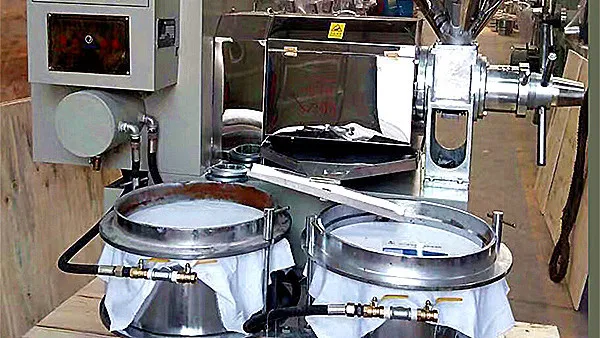
In the realm of vegetable oil extraction, the quality and quantity of the final product are of paramount importance. Medium-sized screw oil presses have become a popular choice for small and medium-sized oil mills due to their efficiency and versatility. However, achieving optimal results often hinges on the effectiveness of the temperature control system. In this article, we will delve into the crucial role of a professional temperature control system in medium-sized screw oil presses and how it can significantly enhance oil quality and production efficiency.
We've found that temperature plays a pivotal role in every stage of the vegetable oil pressing process. From the moment the raw materials enter the press, the temperature can influence the physical and chemical properties of the oil. For instance, improper temperature control can lead to protein denaturation, which may affect the clarity and stability of the oil. Additionally, high temperatures can accelerate oil oxidation, leading to a shorter shelf life and a less desirable flavor.
Let's take a look at some scientific data. Studies have shown that when the temperature is maintained within an optimal range of 80 - 100°C during the pressing of soybean oil, the oil yield can increase by up to 10% compared to non - temperature - controlled processes. Moreover, the quality of the oil, as measured by parameters such as acid value and peroxide value, is significantly improved.
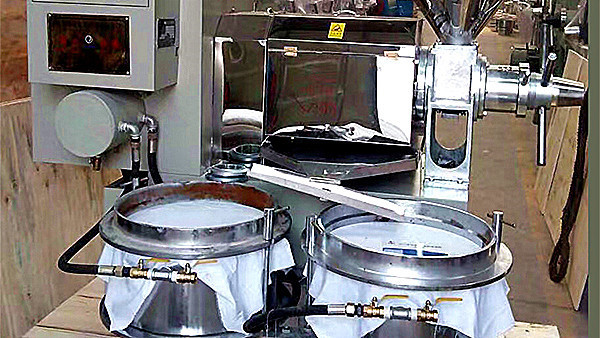
At the molecular level, temperature affects the solubility of oil in the raw material matrix. By controlling the temperature, we can optimize the extraction process, allowing more oil to be released from the seeds or nuts. Different raw materials have different optimal temperature ranges for oil extraction. For example, for rapeseed, the ideal temperature is around 90 - 110°C, while for sunflower seeds, it is slightly lower, at 85 - 105°C.
Another aspect of temperature control is its impact on the flavor and aroma of the oil. By carefully adjusting the temperature, we can preserve the natural flavor compounds in the oil, resulting in a more delicious and marketable product.
There are several common temperature control modes used in medium - sized screw oil presses. The most basic mode is manual control, where the operator adjusts the temperature based on experience and visual inspection. However, this method is prone to errors and inconsistencies. More advanced systems use automatic temperature control, which relies on sensors and controllers to maintain a stable temperature.
We recommend using a combination of pre - heating and real - time temperature adjustment. Pre - heating the raw materials to a specific temperature before pressing can improve the efficiency of the extraction process. During pressing, the real - time temperature adjustment system can continuously monitor and adjust the temperature to ensure that it remains within the optimal range.

The placement of sensors is crucial for accurate temperature control. We suggest placing sensors at key locations in the press, such as the feeding area, the pressing chamber, and the oil outlet. This allows for comprehensive monitoring of the temperature throughout the entire pressing process.
Here are some practical operation tips: First, always pre - heat the press to the recommended temperature before starting the actual pressing. Second, regularly calibrate the temperature sensors to ensure their accuracy. Third, adjust the temperature gradually to avoid sudden temperature changes that may affect the quality of the oil.
Even with the most advanced temperature control systems, abnormal situations may still occur. Common abnormal alarms include over - temperature, under - temperature, and sensor failure. To help you handle these situations effectively, we've compiled a table of typical abnormal alarms and their corresponding solutions:
| Abnormal Alarm | Possible Causes | Solutions |
|---|---|---|
| Over - temperature | Malfunction of the cooling system or incorrect temperature setting | Check the cooling system and adjust the temperature setting |
| Under - temperature | Heating element failure or poor insulation | Inspect the heating element and improve the insulation |
| Sensor failure | Sensor damage or loose connection | Replace the sensor or check the connection |
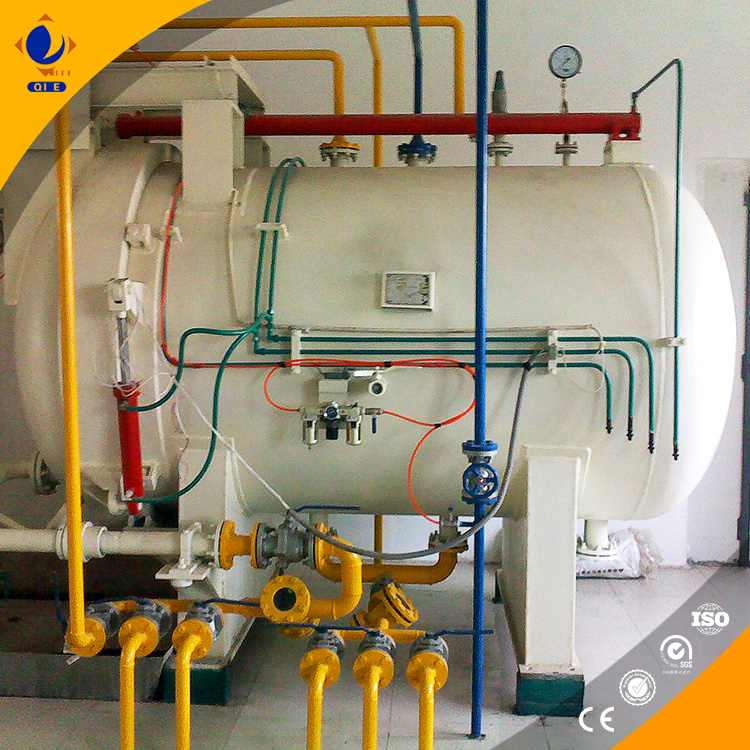
By following these guidelines and handling abnormal alarms promptly, you can ensure the stable and continuous operation of your oil press.
In conclusion, a professional temperature control system is an indispensable component of a medium - sized screw oil press. It can help you achieve higher oil yields, better oil quality, and more stable production. If you're looking to enhance your oil mill's competitiveness, don't miss out on the benefits of precise temperature control.
Click to Get the Temperature Control Setting Self - Check List PDF





