In the increasingly competitive vegetable oil production market, especially among small and medium-sized oil mills, equipment selection profoundly influences operational efficiency and output quality. The screw oil press, widely adopted for its reliability and adaptability, hinges on several technical parameters that determine its performance. Among these, the preheating function stands out as a decisive factor in regulating pressing temperature, maximizing oil yield, and ensuring superior oil quality. This article delves into the nuanced effects of preheating within screw oil pressing operations, augmented by real-world data, case studies, and technical analysis to better inform buyers navigating complex procurement decisions.
The geometry and pitch of the screw shaft fundamentally impact how raw oilseeds—such as peanuts, soybeans, and rapeseed—are conveyed through the pressing chamber. Optimized screw shaft design achieves balanced pressurized feeding and progressive compaction, minimizing the presence of unpressed cake. Industry data shows that a well-engineered screw shaft can improve oil extraction rates by approximately 5-8% compared to basic designs, translating into substantial productivity gains.
Temperature during pressing affects both the viscosity and chemical composition of extracted oils. Excessive heat risks degrading essential nutrients and inducing off-flavors, whereas inadequate heat yields lower extraction efficiency. Advanced screw presses integrate preheating mechanisms that maintain pressing temperatures within optimal bands—typically between 60°C and 90°C depending on oilseed type—thereby preserving oil integrity while maximizing output.
| Oilseed Type | Optimal Preheat Temp (°C) | Average Oil Yield Increase (%) |
|---|---|---|
| Peanut | 75 - 85 | 6 - 7 |
| Soybean | 65 - 80 | 5 - 6 |
| Rapeseed | 70 - 90 | 6 - 8 |
The preheating subsystem incorporated into modern screw presses enables operators to deliver consistent and finely tuned thermal energy directly to the raw material before pressing. This serves to soften seed matrices, reduce pressing resistance, and improve oil fluidity. Empirical case studies from midsize oil mills demonstrate that preheating reduces pressing torque, lowers the incidence of mechanical wear, and elevates oil transparency, free fatty acid (FFA) levels, and peroxide value metrics.
For example, a medium-scale oil mill processing 5 tons of peanuts per day achieved a 7% increase in oil yield and a 10% decrease in energy consumption following the integration of a preheating mechanism with PID temperature control. Additionally, sensory evaluation reported notable improvements in aroma and clarity, which align with premium oil quality standards.

Potential buyers often overlook critical operational aspects such as the balance between output capacity and preheating energy consumption. Selecting a more powerful preheater might not always correlate with better efficiency, as oversizing leads to unnecessary power drain. Instead, tailor-made preheating solutions equipped with temperature regulation sensors offer real-time feedback, enabling precise adjustments that optimize energy usage.
Another key challenge arises from misunderstanding raw material variability. Different seeds contain diverse moisture and oil content that influence ideal pressing temperatures and speeds. Customized preheating profiles that adapt to these parameters ensure that the pressing process targets peak oil quality without compromising equipment lifespan.
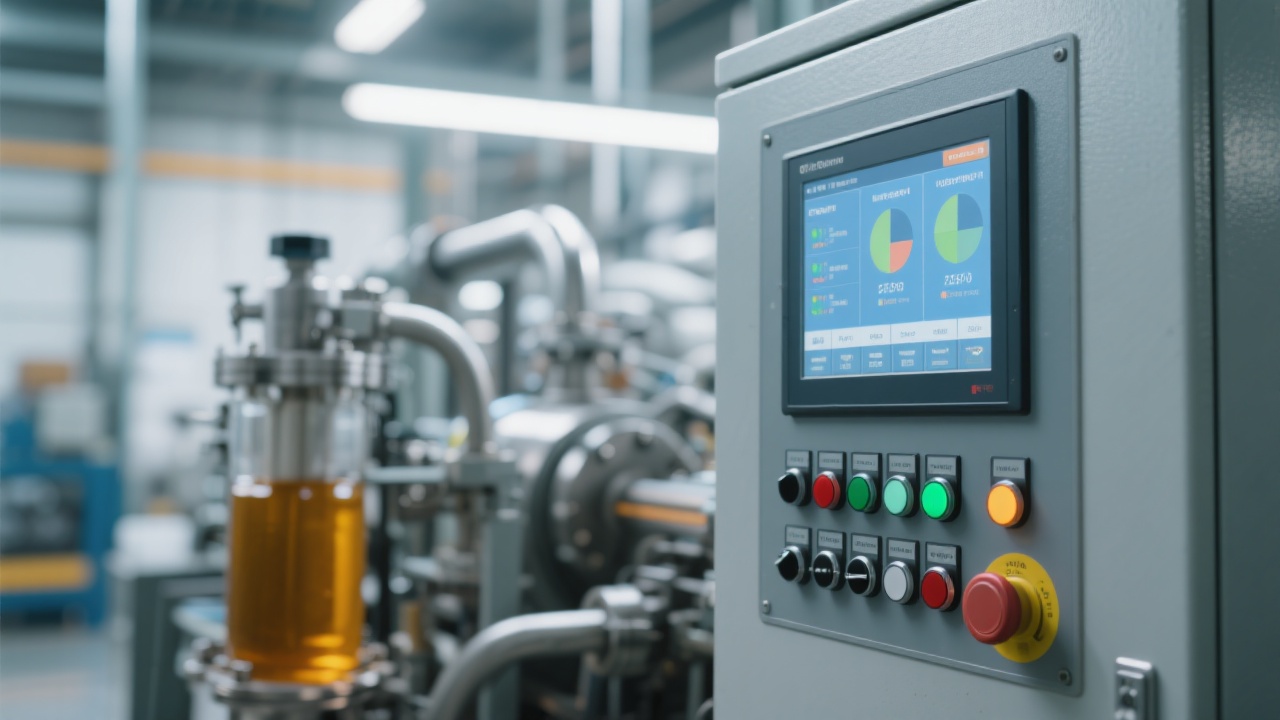
A case from Northern India involving a medium-scale soybean processor revealed that implementing a preheating cycle with a temperature precisely controlled at 75°C led to a maximum oil yield of 20.5% relative to raw material weight, surpassing earlier outputs by nearly 1.4%. Integration of data logging systems also facilitated continuous monitoring, enabling operators to fine-tune preheating duration and temperature to accommodate seasonal bean quality fluctuations.

Such documented evidence underscores the operational importance of preheating in screw oil presses to sustainably boost oil quality and processing efficiency. Furthermore, this technological advancement supports compliance with food safety and quality regulations, pivotal in global market competitiveness.