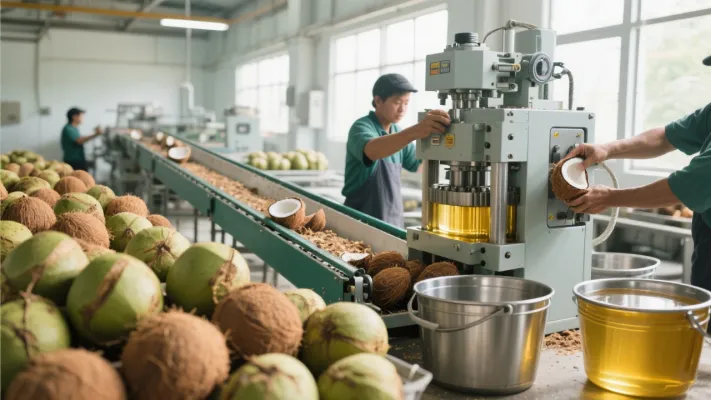
In the oil processing industry, small and medium-sized oil mills face crucial decisions when selecting screw oil presses. This article aims to provide in - depth insights into the core technical parameters and practical applications of these machines, helping decision - makers make informed choices to enhance production efficiency and market competitiveness.
The screw shaft is one of the most critical components of a screw oil press. Its design directly affects the continuous propulsion efficiency of materials and the oil yield. A well - designed screw shaft can ensure a smooth and stable flow of materials through the press chamber.
For example, a screw shaft with an optimized pitch and diameter ratio can increase the pressure on the materials, thereby improving the oil extraction rate. Studies have shown that an appropriate screw shaft design can increase the oil yield by 3% - 5% compared to a poorly designed one. This improvement can have a significant impact on the profitability of small and medium - sized oil mills over time.

Pressing temperature control is another key factor in ensuring the quality of the oil and the stability of the production process. Different oils have different optimal pressing temperatures. For instance, the optimal pressing temperature for peanut oil is around 120 - 130°C, while for soybean oil, it is approximately 110 - 120°C.
By precisely controlling the pressing temperature, oil mills can prevent the oil from being over - heated, which may lead to the degradation of oil quality, such as the formation of harmful substances and a decrease in nutritional value. Moreover, maintaining a stable pressing temperature can also ensure a consistent production output, reducing the risk of production disruptions.
Different oilseeds, such as peanuts, soybeans, and rapeseeds, have distinct pressing characteristics. Understanding these differences is essential for selecting the most suitable oil press for a specific type of oilseed.
| Oilseed Type | Oil Content (%) | Optimal Pressing Temperature (°C) | Typical Oil Yield (%) |
|---|---|---|---|
| Peanuts | 45 - 55 | 120 - 130 | 40 - 48 |
| Soybeans | 18 - 22 | 110 - 120 | 13 - 18 |
| Rapeseeds | 38 - 46 | 115 - 125 | 32 - 40 |

The pre - heating function of a screw oil press can significantly improve the quality of the oil and increase the production capacity. Pre - heating the oilseeds before pressing can reduce the viscosity of the oil, making it easier to extract. It can also enhance the flavor and aroma of the oil.
In practice, oil mills that use oil presses with pre - heating functions can experience a 10% - 15% increase in production capacity. This not only saves time but also reduces energy consumption per unit of oil production.
When selecting a screw oil press, decision - makers often make some common mistakes. For example, they may focus too much on the initial purchase price and ignore the long - term operating costs, such as energy consumption and maintenance costs. Another mistake is not considering the specific requirements of their oilseeds and production scale.
To avoid these mistakes, oil mills should adopt energy - saving management strategies. For instance, they can choose oil presses with high - efficiency motors and advanced control systems. Regular maintenance of the equipment can also ensure its optimal performance and reduce energy waste.

In conclusion, making the right choice of a screw oil press is crucial for small and medium - sized oil mills. By understanding the key technical parameters, such as screw shaft design, pressing temperature control, and the characteristics of different oilseeds, decision - makers can select an efficient and energy - saving machine that meets their production needs. If you want to learn more about our small and medium - sized screw oil press solutions, click here.