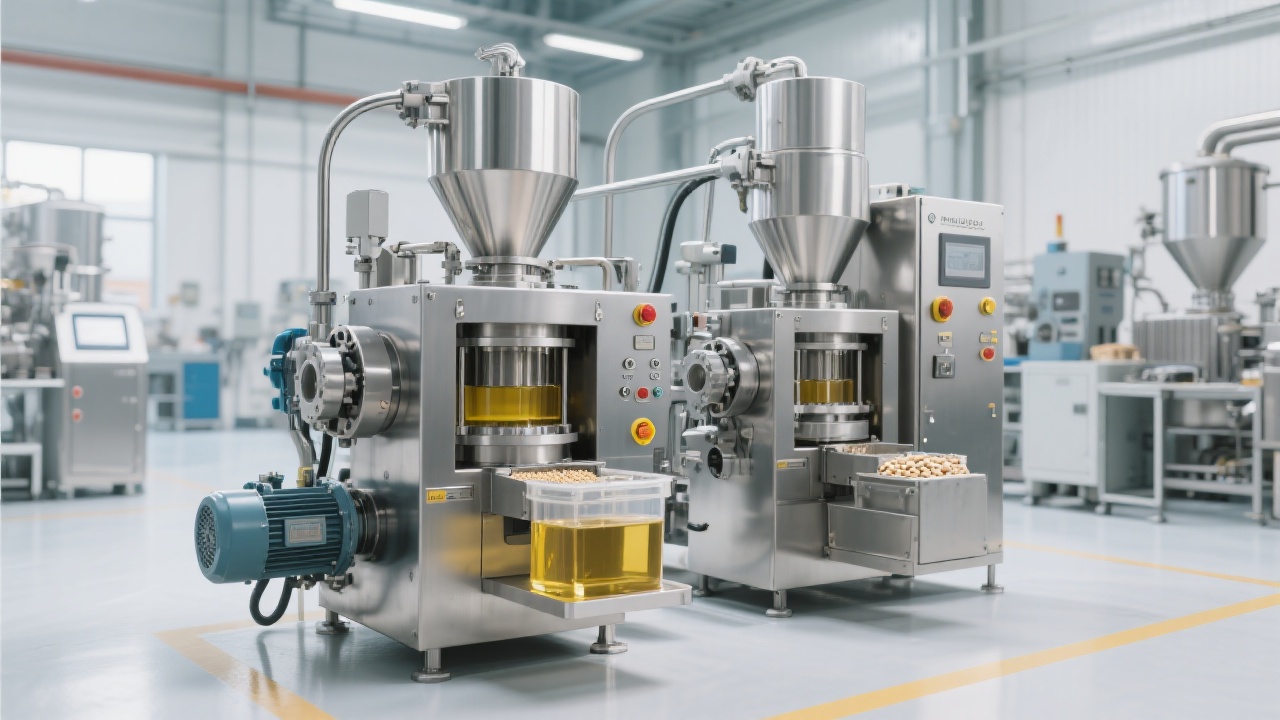
Hydraulic Pressing for Plant Seeds: A Technical Guide to Higher Oil Yield, Stable Quality, and Fewer Production Surprises
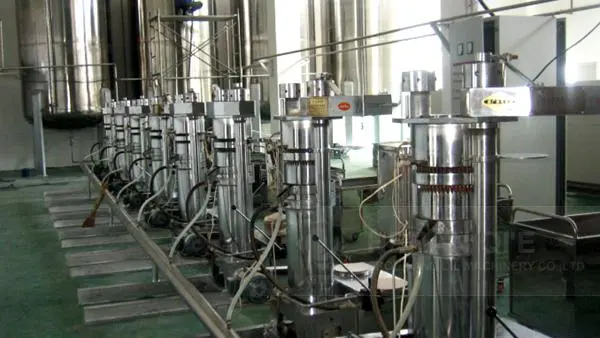
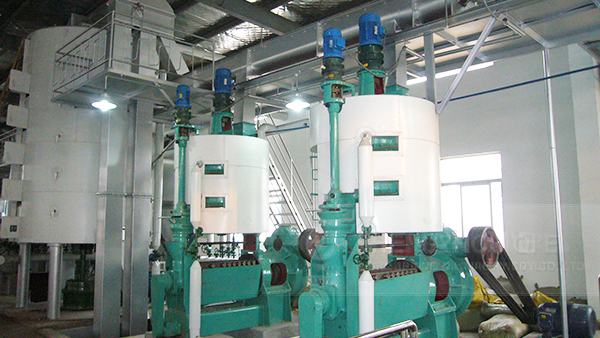
In industrial and semi-industrial edible oil production, plant seed hydraulic oil pressing remains a preferred method when producers prioritize clean flavor, low oxidation risk, and controllable operation. Yet “hydraulic pressing” is not automatically synonymous with high yield. Output depends on a tight chain of variables—seed conditioning, moisture, temperature, pressure ramp profile, cake thickness, filtration, and operator consistency.
This article maps the full pressing process flow, highlights key parameters that move the needle on yield, and shows how an automatic control system reduces human variability. It also compares adjustments for different seeds and nuts, and gives field-ready troubleshooting logic used by production teams at scale—including those deploying solutions from 企鹅集团.
1) The Core Process Flow (and the “Hidden” Yield Killers)
A hydraulic press line looks simple on paper, but most yield losses happen in transitions: drying that overshoots, conditioning that’s uneven, press cloth loading that traps oil, or pressure increases that are too fast for the meal structure. The most repeatable plants treat pressing as a controlled sequence—not a single action.
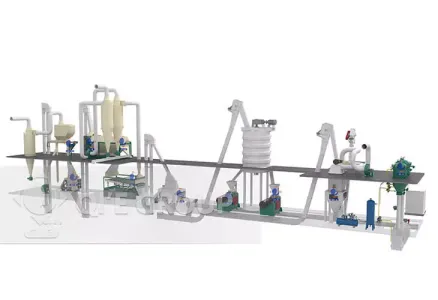
Process Flow Diagram (Hydraulic Oil Pressing)
Raw seed receiving
  ↓  (foreign matter removal, grading)
Cleaning & de-stoning
  ↓  (shelling optional, based on seed type)
Dehulling / cracking (optional)
  ↓  (moisture adjustment + gentle heating)
Conditioning (drying/tempering)
  ↓  (uniform feed, correct cake thickness)
Hydraulic pressing (pressure ramp + holding)
  ↓  (sedimentation or filtration)
Oil separation & filtration
  ↓  (safe storage, oxidation control)
Oil storage & QC
  ↓
Press cake handling (feed/flour/biomass) + wastewater & housekeeping
Two practical observations from factory audits: (1) plants that log moisture and pressing temperature each batch see fewer “mystery” yield swings; (2) press cake that “looks dry” can still retain 6–10% oil if the pressure profile was wrong or the meal was too wet to form a porous structure.
2) Seed Pretreatment: Moisture, Heat, Particle Size—Why the “Before” Determines the “After”
In hydraulic pressing, pretreatment is not optional. It is the primary lever that determines whether the material forms a cake with micro-channels for oil to migrate under pressure. When pretreatment is inconsistent, operators compensate by increasing pressure or extending holding time—both reduce throughput and can degrade oil quality.
2.1 Moisture Control (Target Ranges That Work in Real Plants)
For many oilseeds, a practical moisture window for hydraulic pressing is 5.5%–8.5% (wet basis). Too dry and the cake fractures, causing bypass channels and unstable flow; too wet and the cake becomes plastic, sealing pores and trapping oil. A common best practice is to measure moisture at three points: after cleaning, after conditioning, and before loading the press cage.
Field tip: if batch-to-batch moisture varies by more than ±0.7%, yield variance often exceeds ±2.0% even with identical press settings. The fix is typically better tempering time (15–45 minutes depending on seed size) rather than “more pressure.”
2.2 Temperature Conditioning (Heat for Flow, Not for Burning)
Gentle heat reduces viscosity and improves oil migration. For cold-press style positioning, many producers keep material temperature around 35–55°C. For warm pressing (still below harsh cooking), 55–75°C is common depending on the seed and desired flavor profile. Overheating accelerates oxidation and can darken oil—especially in high-unsaturated oils.
2.3 Size Reduction & Dehulling (When It Helps—and When It Hurts)
Cracking or flaking can increase surface area and improve pressing efficiency, but excessive fine particles clog press cloth and slow drainage. Dehulling can improve oil purity and reduce waxes/solids, yet it may reduce throughput if the hull removal system becomes the bottleneck. The practical benchmark: aim for a particle distribution that forms a stable cake without “muddying” the cloth—typically a mix of flakes and coarse meal rather than flour.
3) Pressing Parameters That Actually Move Oil Yield
In plant seed hydraulic oil pressing, three settings control most outcomes: pressure ramp speed, peak pressure, and holding time. The objective is to create a progressive squeeze: first to form the cake, then to open oil pathways, then to consolidate without sealing the cake.
3.1 Reference Parameter Windows (Adjust Per Seed)
| Parameter |
Typical Working Range |
What It Impacts |
Symptoms When Wrong |
| Material temperature |
35–75°C |
Viscosity, flow rate, flavor stability |
Low yield at normal pressure; dark oil if overheated |
| Moisture |
5.5–8.5% |
Cake porosity, oil migration |
Cake cracks (too dry) or seals (too wet) |
| Pressure ramp |
0.5–2.0 MPa/s (reference) |
Drainage, cloth loading, solids carryover |
Sudden squeeze causes cloth blinding and low oil flow |
| Peak pressure |
25–45 MPa (reference) |
Residual oil in cake, throughput |
High residual oil if too low; equipment stress if too high |
| Holding time |
6–18 min (reference) |
Final drainage, stability |
Dripping stops early; yield plateaus or quality drops with over-holding |
These ranges are starting points, not fixed rules. Many producers find that once moisture and temperature are stable, the best ROI comes from optimizing the ramp + hold curve rather than chasing the highest possible peak pressure.
4) Using Automatic Control Systems to Reduce Human Error
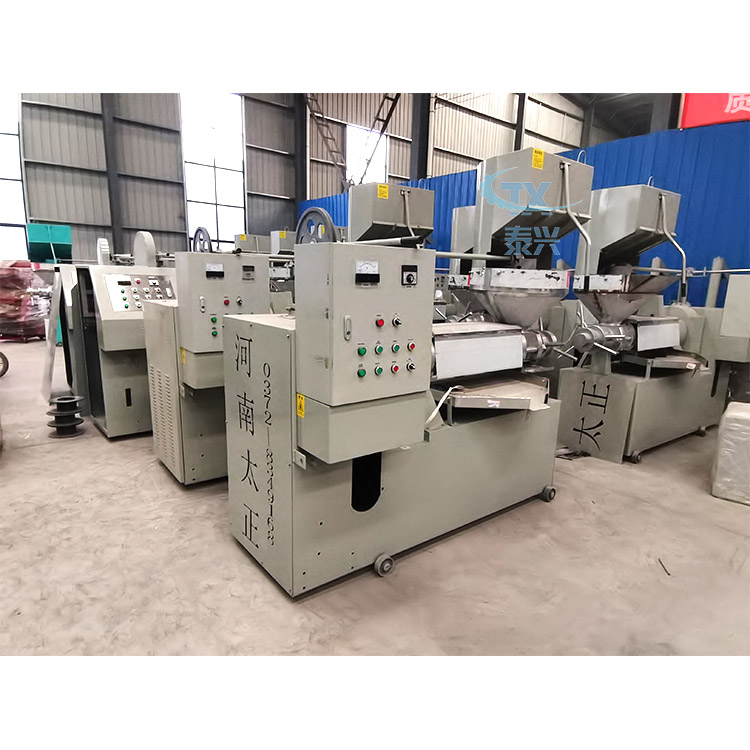
Manual operation often creates variability: two shifts, two “styles” of pressing. An automatic control system (PLC + sensors + programmable recipes) standardizes critical steps and improves repeatability. In practice, plants adopting recipe control typically see a measurable reduction in batch variance—especially when running multiple seed types or frequent changeovers.
4.1 What to Automate First (Highest Impact)
- Pressure ramp profile (multi-stage ramp prevents early cloth blinding and cake sealing)
- Holding time logic (end hold based on time + flow stabilization where sensors exist)
- Overpressure and temperature interlocks (protects oil quality and equipment life)
- Recipe management by seed type (sunflower vs sesame vs peanut should not share a single “universal” program)
4.2 Recipe Example: A Practical Multi-Stage Ramp
Stage 1 (Cake forming): ramp to 8–12 MPa, hold 60–120s
Stage 2 (Primary drainage): ramp to 18–25 MPa, hold 2–6 min
Stage 3 (Final squeeze): ramp to 30–42 MPa, hold 3–10 min
Release: controlled depressurization to prevent cake fracture and cloth damage
The “best” curve depends on seed structure and conditioning quality. The purpose of staging is to let oil migrate before the cake becomes too dense. Many teams report that staged ramping improves effective yield by 1.5%–4.0% compared to a fast single-step press—especially on small seeds with higher fines content.
5) Adjusting for Different Seeds & Nuts (Where Many Plants Lose Efficiency)
A single hydraulic press can handle many feedstocks, but performance requires material-specific tuning. Differences in fiber, protein, hull ratio, and oil viscosity change how cakes form and drain. Below is a production-oriented comparison that helps engineers set “first trial” parameters before fine optimization.
| Seed/Nut Type |
Preferred Pretreatment |
Pressing Focus |
Common Pitfall |
| Sesame |
Careful cleaning; moisture tightly controlled; moderate warming |
Avoid fines clogging; staged ramp improves drainage |
Over-crushing creates flour and blinds press cloth |
| Sunflower |
Dehulling helps purity; tempering improves cake structure |
Balance throughput and residual oil; monitor cake thickness |
Uneven hull ratio causes unstable pressing behavior |
| Peanut |
Size grading; optional light roasting for flavor (if desired) |
Control temperature to protect aroma and color |
Overheating increases darkening and oxidation risk |
| Rapeseed/Canola |
Uniform conditioning; avoid too high moisture |
Longer hold can help final drainage |
Too wet leads to cake sealing and high residual oil |
| Walnut/Almond (nuts) |
Gentle warming; avoid excessive fines; careful handling to limit oxidation |
Lower temperature strategy, clean filtration for premium oil |
High shear grinding raises temperature and reduces shelf stability |
.jpg)
6) Oil Separation, Filtration, and Storage: Keeping Quality While Protecting Yield
Pressing determines how much oil leaves the cake; separation determines how much becomes saleable product. Many plants unintentionally “lose” oil in sludge because settling and filtration are treated as housekeeping rather than a yield step.
6.1 Settling vs Filtration (Decision by Throughput and Oil Type)
For small and premium batches, a 12–24 hour settling window can reduce suspended solids with minimal equipment. For larger lines, staged filtration (coarse → fine) improves clarity and stability. A typical target after filtration for many edible oils is <0.20% insoluble impurities (depending on internal spec and downstream refining needs).
6.2 Storage Control (Oxidation Is a Profit Leak)
Oxygen, light, and heat drive peroxide formation. Practical storage improvements include stainless tanks, minimizing headspace, and keeping oil under 20–25°C where feasible. Some producers also consider inert gas blanketing for high-value nut oils. Even without advanced systems, simple SOP discipline—closed lids, clean valves, scheduled tank cleaning—often improves shelf performance.
7) Press Cake Utilization and Environmental Compliance (Turning Residue into Revenue)
Press cake is not waste—it is a co-product with measurable value. Depending on seed type and local regulations, cake can be used for animal feed, protein flour, fertilizer, or biomass fuel. Plants that monetize cake typically offset a significant portion of processing cost, while also improving environmental performance indicators.
Press Cake Checks Before Secondary Use
- Residual oil target: many efficient hydraulic operations aim for 8–12% residual oil (varies by seed and “cold press” requirements)
- Moisture stability: avoid mold risk by controlling storage humidity and using breathable packaging where needed
- Food/feed safety: verify aflatoxin (peanut), pesticides, and heavy metals per destination market requirements
8) Common Production Problems: Diagnosis and Optimization That Engineers Can Apply Today
8.1 Low Oil Yield (But Press Looks “Normal”)
Likely causes: moisture too high (cake sealing), ramp too fast (cloth blinding), particle size too fine, cake thickness uneven, peak pressure too low for that seed.
Fast tests: check cake cross-section for glossy “sealed” layers; measure cake residual oil by quick solvent test; compare first 2 minutes oil flow versus baseline runs.
Optimization: reduce moisture by 0.5–1.0%, add a staged ramp, or increase hold time in mid-pressure stage rather than only raising peak pressure.
8.2 Oil Looks Dark or Smells “Cooked”
Darkening usually points to excessive conditioning temperature, prolonged residence time near heaters, or contamination from old cake residues. In premium oils, even a 10°C overshoot can be noticeable. Tighten temperature PID settings, shorten pre-heating time, and implement a cleaning schedule for press plates and cloth.
8.3 Press Cloth Clogs Frequently
Cloth clogging often indicates too many fines (over-grinding), too fast ramping, or poor upstream cleaning. Move to a coarser meal distribution, slow the early ramp stage, and verify that seeds are free of mud/sand. Many plants also standardize cloth washing intervals based on batch count instead of “when it gets bad.”
8.4 Hydraulic System Instability (Pressure Fluctuation)
Instability can come from air in hydraulic lines, worn seals, oil contamination, or a drifting pressure sensor. The fastest wins are routine hydraulic oil cleanliness management, sensor calibration, and checking for micro-leaks. Stability matters: plants with stable pressure curves typically see better repeatability and fewer emergency stops.
9) A Real Production Case: How One Line Improved Yield Without “Chasing Max Pressure”
Context: A mid-size edible oil producer running sesame and sunflower on the same hydraulic press line experienced inconsistent output—daily yield swings of roughly 3–5% with no obvious mechanical failures.
What they changed: (1) tightened incoming seed moisture control to ±0.5% via improved tempering; (2) switched from a single-step press to a three-stage ramp; (3) implemented recipe-based automatic control with operator lockouts on critical settings during production.
Observed result (8-week average): effective yield improved by about 2.6% on sesame and 1.9% on sunflower, while press stoppages related to cloth clogging dropped by approximately 30%. The plant reported more predictable filtration load and a noticeable reduction in sludge oil loss.
“Once the recipe control locked in the ramp and hold curve, shift-to-shift output stopped drifting. We didn’t need higher peak pressure—we needed a smarter curve and stable conditioning.”
— Production Supervisor, edible oil facility
10) Quick “Keep-on-the-Wall” Tips for Higher Yield and Better Oil
Tip A: Treat Moisture as a Control Variable, Not a Note
Log moisture every batch; when yield drops, check moisture before touching pressure settings.
Tip B: Slow Down Early Pressure
If cloth clogging and low flow happen in the first minutes, the ramp is usually too aggressive.
Tip C: Measure Residual Oil in Cake Regularly
Cake analysis (even weekly) prevents slow drift and catches conditioning issues early.
Want a Higher-Yield Hydraulic Oil Pressing Setup—With Recipe Control Built In?
If your team is optimizing hydraulic oil press machine operation, improving oil extraction efficiency, or standardizing multi-seed production with an automatic control system, a structured process audit plus recipe tuning can usually unlock yield and stability faster than hardware changes.
Practical Note for International Buyers and Multi-Plant Groups
When evaluating suppliers, ask for recipe screenshots (pressure vs time), sensor list (pressure/temperature), hydraulic oil filtration spec, and recommended preventive maintenance intervals. These details correlate strongly with long-term stability, not just initial output—especially for producers scaling standardized lines across regions.