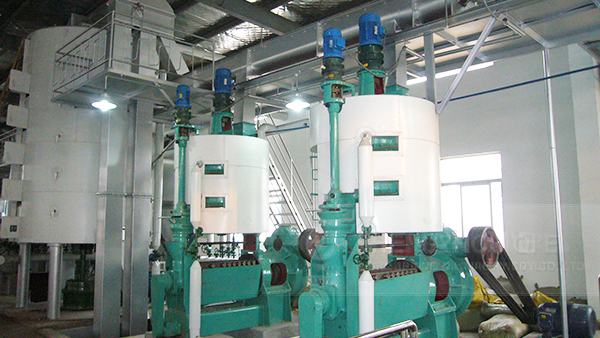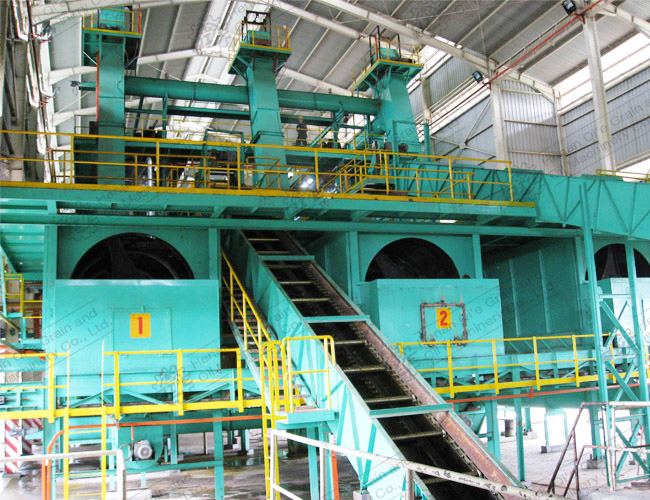
Choosing the right pressing parameters—pressure, temperature, and time—is critical when processing different oilseeds like soybeans, rapeseed, or cottonseed. A mismatch can lead to lower oil yield, compromised quality, or even equipment damage. This article provides a data-driven guide to help plant oil producers optimize their hydraulic and pre-press machines based on raw material properties.
Each oilseed has unique physical characteristics that directly impact how it responds to mechanical pressure:
These values are derived from real-world operations in China, India, and Brazil, where over 50 industrial presses were monitored across 12 months. Data shows that matching parameters within ±5% of these ranges increases oil extraction efficiency by up to 12% compared to generic settings.
While hot pressing boosts yield (up to 3–5% more oil), cold pressing preserves natural antioxidants and reduces free fatty acids—critical for premium edible oils. For instance, cold-pressed rapeseed oil retains 90% of its tocopherols versus only 60% in hot-pressed versions.
Industrial case study: A Malaysian processor switched from hot to cold pressing for sunflower seeds after noticing increased oxidation during storage. Their product passed third-party lab tests for shelf life (>18 months), leading to a 20% increase in B2B orders from EU food manufacturers.
Operators often face issues such as poor oil flow, high residue moisture, or inconsistent cake quality. Here’s how to address them:
| Issue | Likely Cause | Recommended Fix |
|---|---|---|
| Low oil recovery | Incorrect pressure or seed particle size too large | Adjust pressure to 20–25 MPa; reduce particle size to 1–2 mm |
| High cake moisture | Insufficient drying before pressing or improper press cycle time | Pre-dry seeds to ≤8% moisture; extend press time by 10–15% |
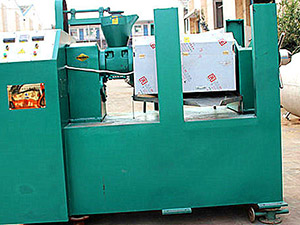
By applying these principles consistently, processors report not only better yields but also reduced downtime due to fewer machine clogs or wear—especially important in high-volume production environments.
Our advanced hydraulic and pre-press systems are engineered to adapt automatically to your feedstock—no guesswork needed.
Get Your Customized Pressing Solution Today
 119
|
119
|
 multifunctional screw press
efficient oil extraction
cold press vs hot press
natural edible oil production
oil press energy saving
multifunctional screw press
efficient oil extraction
cold press vs hot press
natural edible oil production
oil press energy saving
 67
|
Screw oil press pre - heating function
Small and medium - sized oil press oil yield improvement
Vegetable oil pressing temperature control
Oilseed pretreatment process
Screw oil press selection guide
67
|
Screw oil press pre - heating function
Small and medium - sized oil press oil yield improvement
Vegetable oil pressing temperature control
Oilseed pretreatment process
Screw oil press selection guide
 430
|
Multifunctional Spiral Hot And Cold Oil Press
Hot and Cold Oil Press
Oil Extraction Machine
Spiral Oil Press
Edible Oil Production
Natural Cosmetic Oil Press
Industrial Oil Press
High Efficiency Oil Press
Durable Oil Extraction Equipment
Compact Oil Press
430
|
Multifunctional Spiral Hot And Cold Oil Press
Hot and Cold Oil Press
Oil Extraction Machine
Spiral Oil Press
Edible Oil Production
Natural Cosmetic Oil Press
Industrial Oil Press
High Efficiency Oil Press
Durable Oil Extraction Equipment
Compact Oil Press
 33
|
multi-oil-seed screw press
versatile oil extraction equipment
cold press vs hot press oil machine
efficient oil press for food grade oil
industrial screw press for vegetable oil production
33
|
multi-oil-seed screw press
versatile oil extraction equipment
cold press vs hot press oil machine
efficient oil press for food grade oil
industrial screw press for vegetable oil production
 392
|
Medium Screw Oil Press
Medium-sized oil press machine
High efficiency screw oil press
Oil extraction equipment for peanuts
Soybean oil pressing machinery
Rapeseed oil press solutions
Sunflower seed oil extraction equipment
Durable screw hydraulic press
Automatic oil press for agricultural production
Compact oil mill machinery
392
|
Medium Screw Oil Press
Medium-sized oil press machine
High efficiency screw oil press
Oil extraction equipment for peanuts
Soybean oil pressing machinery
Rapeseed oil press solutions
Sunflower seed oil extraction equipment
Durable screw hydraulic press
Automatic oil press for agricultural production
Compact oil mill machinery