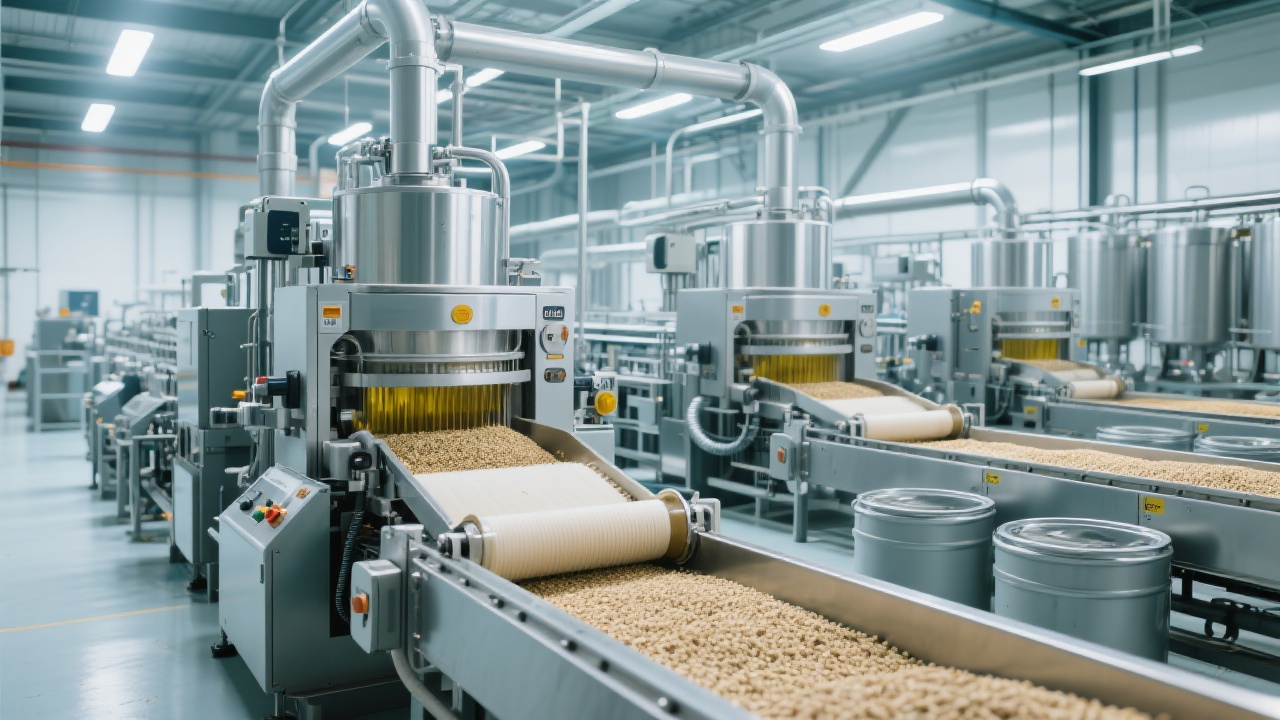
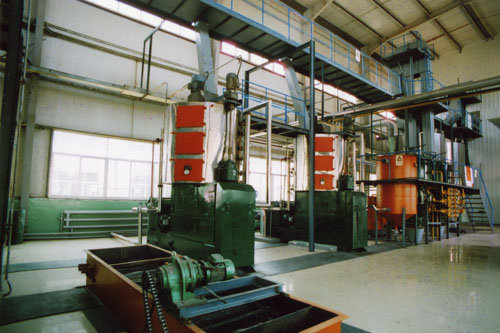
In modern plant-based oil processing, large-scale hydraulic oil press machines are pivotal for achieving high yields and consistent product quality. However, like all complex machinery, these systems encounter operational challenges that can interrupt production flow and increase maintenance costs. This article delves into practical maintenance strategies and fault diagnosis for four core components—hydraulic system, pressing chamber, filtration unit, and transmission mechanism—empowering operators and technical managers with actionable insights to maximize machine uptime and extend service life.
The heart of the oil press is the hydraulic system which controls pressure application critical to oil extraction efficiency. Daily inspections should focus on detecting fluid leaks, monitoring pressure gauges, and verifying oil temperature stability. Data from industry benchmarks suggest that unaddressed pressure fluctuations account for nearly 40% of unscheduled downtimes.
Implementing a routine lubrication timetable ensures pumps and valves operate smoothly, reducing wear-related noise by up to 30%. Moreover, performing hydraulic oil analysis every three months helps detect contamination levels early, thus preventing overheating—one of the leading causes of hydraulic failures.
Maintaining the sealing components within the pressing chamber is essential to prevent pressure loss and material contamination. Operators are advised to replace seals and gaskets every 6 to 12 months depending on usage intensity and oil type. Monitoring for irregular noise, vibrations, or visible leaks offers early indication of seal degradation.
For instance, a leading oil processor reported a 22% increase in continuous production uptime after instituting a seal replacement program alongside routine vibration monitoring.
Filters remove impurities that compromise oil quality and stress machine components. Scheduled cleaning or replacement of filter elements every 30 to 60 days maintains optimal flow rates and reduces clogging risks. Neglecting filtration maintenance can cause oil flow reduction by up to 15%, leading to higher press pressures and component wear.
The transmission system's chains, gears, and bearings must be regularly lubricated and inspected for alignment. Uneven wear or loose fittings often trigger abnormal machine noises and operational inefficiencies. Industry reports indicate that proactive maintenance here can reduce mechanical failure rates by nearly 25%.
Pressure Fluctuations: Often caused by hydraulic leaks or pump wear, operators should verify valve control settings and replace worn seals immediately. Temporary pressure drops require system depressurization and controlled restart procedures to avoid component damage.
Excessive Noise: Typically results from insufficient lubrication or misaligned transmission parts. Quick checks include oil level verification and tightening loose fasteners. Regular acoustic monitoring devices can identify abnormal sounds before faults occur.
Overheated Oil: Suggests contaminated fluid or cooling system failure. Immediate oil testing and radiator cleaning are recommended, alongside scheduling full hydraulic fluid replacement within 24 hours of incident detection.
Shifting from reactive repairs to a structured preventive maintenance program has been proven to reduce unplanned stoppages by over 50% in enterprises adopting these methods. Integrating digital monitoring tools further enhances visibility into machine health, allowing data-driven decision making.
A major edible oil manufacturer adopting our large-scale hydraulic oil press machines implemented a rigorous preventive maintenance workflow focusing on hydraulic oil analysis and seal replacements. Within 12 months, their production uptime increased by 18%, and maintenance costs dropped by 22%, optimizing the overall operational efficiency.
Investing in premium equipment coupled with disciplined maintenance practices not only safeguards assets but also empowers enterprises to meet growing global demand reliably. Technical teams and operational leaders are encouraged to leverage these insights and tools to foster sustainable productivity improvements.

 318
|
318
|
 ZY24 screw oil press
multifunctional oil extraction
economic efficiency in oil mills
ZY24 screw oil press
multifunctional oil extraction
economic efficiency in oil mills
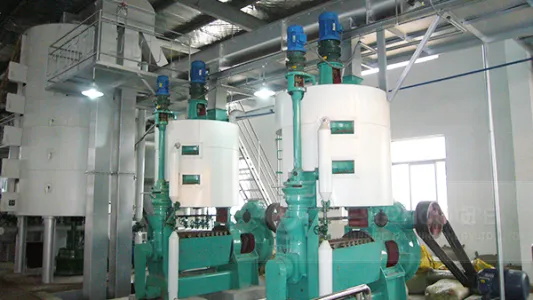 397
|
Large Screw Press
ZY24 Screw Oil Press
Petroleum Equipment Screw Press
Oil Mill Screw Press
High Efficiency Oil Press
Durable Screw Oil Press
Versatile Oil Press
Energy Saving Oil Press
Oil Extraction Equipment
397
|
Large Screw Press
ZY24 Screw Oil Press
Petroleum Equipment Screw Press
Oil Mill Screw Press
High Efficiency Oil Press
Durable Screw Oil Press
Versatile Oil Press
Energy Saving Oil Press
Oil Extraction Equipment
 175
|
6YL-185 screw hydraulic press
multi-variety oilseed processing
flexible custom oil press
vegetable oil processing equipment
B2B export oil press
175
|
6YL-185 screw hydraulic press
multi-variety oilseed processing
flexible custom oil press
vegetable oil processing equipment
B2B export oil press
 226
|
seed preprocessing production line
customized oilseed processing equipment
plant oil production solutions
226
|
seed preprocessing production line
customized oilseed processing equipment
plant oil production solutions
 146
|
small-scale palm oil production line
palm oil yield improvement
hot and cold pressing technology
304 stainless steel oil press
customized palm oil extraction equipment
146
|
small-scale palm oil production line
palm oil yield improvement
hot and cold pressing technology
304 stainless steel oil press
customized palm oil extraction equipment