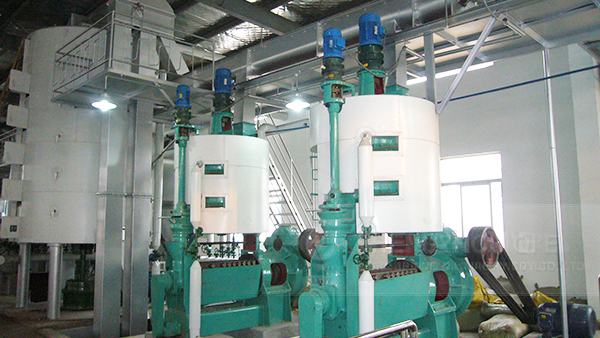
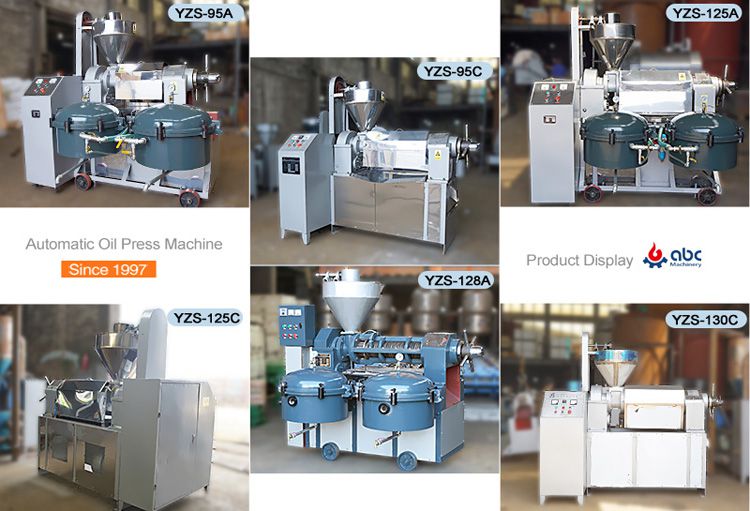
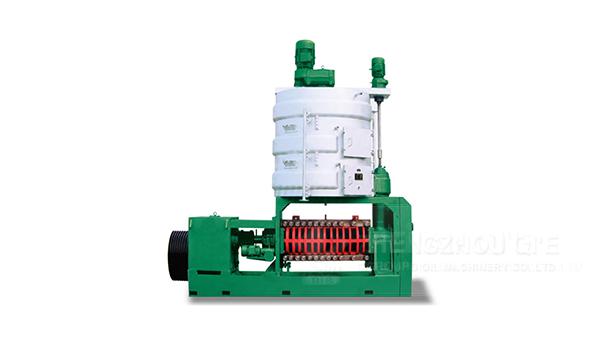
The efficiency of industrial oil extraction depends critically on the interplay between the physical characteristics of oilseeds and the operational parameters of pressing equipment. For manufacturers leveraging large-scale hydraulic and pre-press machines, a nuanced comprehension of oil content, moisture levels, and particle size distribution is indispensable to optimizing yield and maintaining oil quality. This article systematically explores how each oilseed property influences pressing conditions and highlights practical strategies for parameter adjustments aligned with different oil extraction technologies.
Industrial oilseed pressing begins with a thorough understanding of raw material attributes:
Balancing pressing pressure, temperature, and duration is critical for maximizing extraction efficiency without compromising oil stability:
| Parameter | Typical Industrial Range | Effect of Oilseed Properties |
|---|---|---|
| Pressure | 1200 - 2000 psi (Hydraulic Presses) | Higher oil content seeds require elevated pressure; larger particles need adjusted pressure to ensure uniform oil release. |
| Temperature | 35°C - 120°C (Hot Pressing) | Moisture influences optimal temperature; low-moisture seeds tolerate higher temperature facilitating oil flow, while high-moisture seeds risk oil quality degradation. |
| Pressing Duration | 2 - 8 min per batch depending on scale | Finer particle size reduces necessary pressing time; coarser particles require longer duration for efficient extraction. |
The choice between hot and cold pressing profoundly influences extraction dynamics:
Industrial case studies emphasize that oils from sunflower seeds processed hot exhibit up to 15% higher yield than cold pressing, but cold-pressed oils retain 25-40% more polyphenols, valuable for niche markets demanding superior quality.
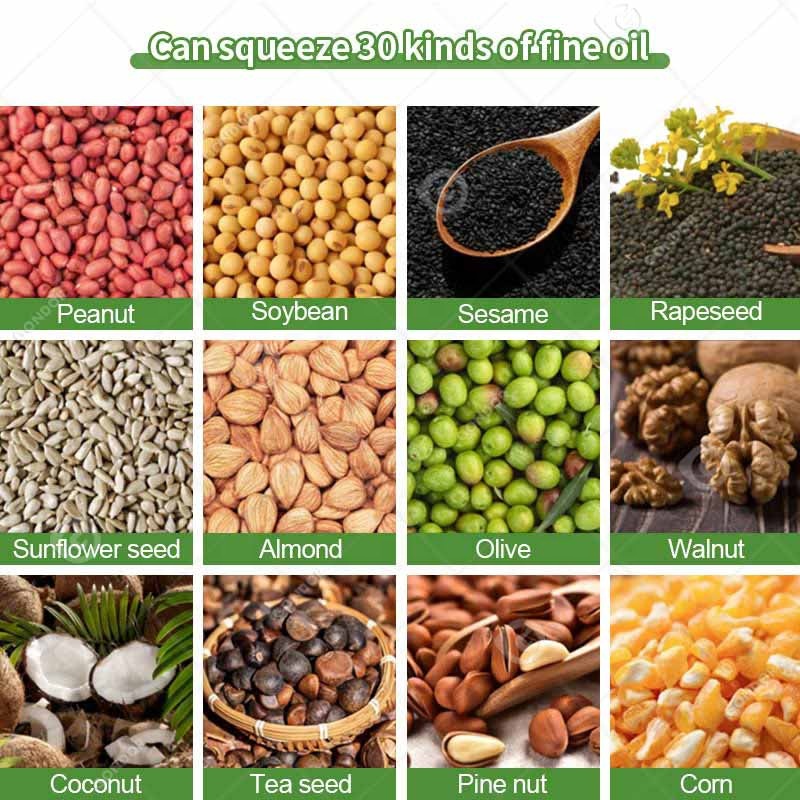
A large-scale oil processing facility optimized pressing parameters for rapeseed with 42% oil content and 8% moisture. Adjusting hydraulic pressure from 1400 to 1800 psi and temperature from 80°C to 105°C resulted in a 12% increase in oil yield and a 5% reduction in kernel moisture content in the cake, enhancing downstream processing efficiency.
Another example involved pre-pressing sunflower seeds with varied particle sizes. The study found that maintaining particle size within 1-1.2 mm improved oil extraction uniformity, reducing pressing time by 20% without compromising oil purity.
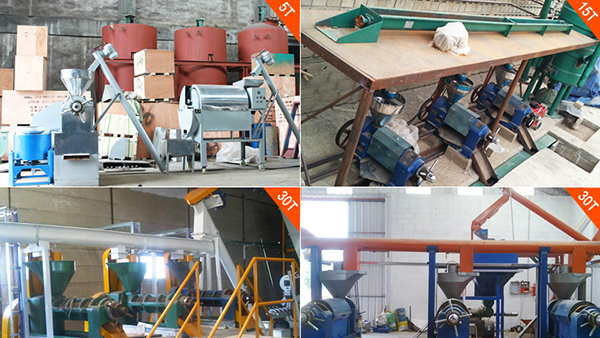
Industrial operators frequently face issues such as mechanical clogging, uneven cake formation, and inconsistent oil quality. Addressing these requires:

 113
|
113
|
 screw press extractor
small oil mill efficiency
oil yield optimization
oilseed processing technology
ZY24 202-3 screw press
screw press extractor
small oil mill efficiency
oil yield optimization
oilseed processing technology
ZY24 202-3 screw press
 184
|
Medium Screw Oil Press
Efficient Oil Processing Equipment
Petroleum Equipment
Hydraulic Solutions
High Yield Oil Press
Compact Structure Oil Press
Easy Operation Oil Extruder
Durable Oil Press Machine
Oil Production Line Equipment
Vegetable Oil Extraction Machine
184
|
Medium Screw Oil Press
Efficient Oil Processing Equipment
Petroleum Equipment
Hydraulic Solutions
High Yield Oil Press
Compact Structure Oil Press
Easy Operation Oil Extruder
Durable Oil Press Machine
Oil Production Line Equipment
Vegetable Oil Extraction Machine
 216
|
cottonseed oil processing
peanut oil extraction
secondary pressing vs solvent extraction
screw press for oilseed
small oil mill equipment
216
|
cottonseed oil processing
peanut oil extraction
secondary pressing vs solvent extraction
screw press for oilseed
small oil mill equipment
 475
|
oilseed preprocessing
spiral oil press optimization
oil extraction efficiency
rapeseed conditioning
peanut roasting temperature control
475
|
oilseed preprocessing
spiral oil press optimization
oil extraction efficiency
rapeseed conditioning
peanut roasting temperature control
 169
|
High - efficiency oil pressing equipment
Environment - friendly oilseed processing
Oilseed processing equipment
Investment return of oil pressing equipment
Green production equipment
169
|
High - efficiency oil pressing equipment
Environment - friendly oilseed processing
Oilseed processing equipment
Investment return of oil pressing equipment
Green production equipment