In the realm of medium-scale screw oil pressing, mastering preprocessing steps is paramount. As a production manager or technician, your ability to adapt cleaning, crushing, and roasting (steaming & frying) parameters to distinct oilseed characteristics directly impacts yield and oil quality. This guide dissects how to optimize these key operations with real-world insights from sunflower seeds and sesame, delivering practical, data-driven strategies to boost your oil extraction line’s stability and output.
Every effective oilseed pressing process hinges on three foundational preprocessing phases:
Understanding physical and chemical differences between oilseeds helps you refine preprocessing settings:
| Parameter | Sunflower Seeds | Sesame Seeds |
|---|---|---|
| Moisture Content Pre-Roasting | 8–10% | 6–8% |
| Roasting Temperature | 120–150°C (gradual ramp) | 110–140°C (careful control) |
| Optimal Crushing Size | 1.0–1.5 mm | 0.6–1.0 mm |
Differentiating these parameters ensures protein structures are adequately denatured without excessive oxidation, improving oil clarity and reducing free fatty acid content by up to 15% compared to generic roasting.
Preprocessing faults can lead to costly downtime and suboptimal yields. Implement these rapid-response tactics:
"Optimizing pre-treatment parameters is the linchpin to unlocking the full potential of your screw oil press. Data-driven adjustments tailored to raw material traits create a tangible difference in both yield and product stability." – Industry Expert, Global Oil Technology Association
Standardization transforms experience into replicable success. Develop SOPs documenting:
Couple SOPs with diligent data recording — track moisture contents, temperatures, crushing metrics, and outputs daily. Use this dataset to identify trends, predict maintenance needs, and fine-tune parameters, improving equipment longevity and reducing oil loss by up to 5% over six months.
Interactive Question: What preprocessing challenge has impacted your operation the most? Share your experience and solutions in the comments below.

 36
|
36
|
 QIE oil pressing equipment
high-efficiency oil pressing machines
ISO9001 certified oil extraction equipment
advanced oil processing technology
reliable oil seed processing solutions
environmentally friendly oil press equipment
oil extraction equipment for global markets
one-stop oil plant solutions
patented oil extraction machinery
oil seed press equipment for businesses
QIE oil pressing equipment
high-efficiency oil pressing machines
ISO9001 certified oil extraction equipment
advanced oil processing technology
reliable oil seed processing solutions
environmentally friendly oil press equipment
oil extraction equipment for global markets
one-stop oil plant solutions
patented oil extraction machinery
oil seed press equipment for businesses
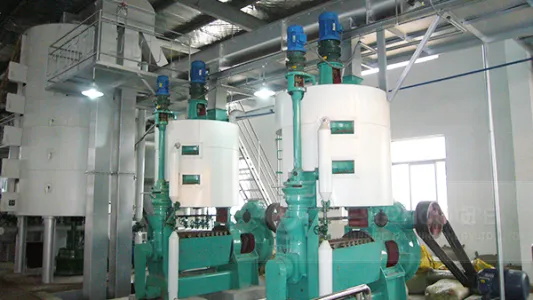 121
|
Large Screw Press oil extraction
ZY24 (202-3) screw oil press
High efficiency oil press
Durable screw press for oil
Versatile oil press machine
Energy-saving screw oil press
Natural oil extraction equipment
Edible oil processing machines
Oilseed processing equipment
121
|
Large Screw Press oil extraction
ZY24 (202-3) screw oil press
High efficiency oil press
Durable screw press for oil
Versatile oil press machine
Energy-saving screw oil press
Natural oil extraction equipment
Edible oil processing machines
Oilseed processing equipment
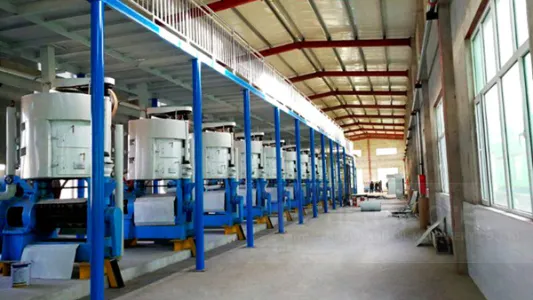 264
|
Medium Screw Oil Press for peanuts
Medium Screw Oil Press for soybeans
Medium Screw Oil Press for sunflower seeds
Medium Screw Oil Press for sesame
Medium Screw Oil Press for vegetable oils
Efficient oil press machine
Compact oil pressing equipment
Durable screw oil press
Automatic control oil press
264
|
Medium Screw Oil Press for peanuts
Medium Screw Oil Press for soybeans
Medium Screw Oil Press for sunflower seeds
Medium Screw Oil Press for sesame
Medium Screw Oil Press for vegetable oils
Efficient oil press machine
Compact oil pressing equipment
Durable screw oil press
Automatic control oil press
 425
|
Multifunctional Spiral Hot and Cold Oil Press
Spiral Oil Press for Peanuts
Cold Press Oil Extraction Machine
Hot Press Oil Production Equipment
High Efficiency Oil Press
Durable Spiral Oil Press
User-friendly Oil Extraction Machine
Eco-friendly Oil Press
Versatile Oil Processing Equipment
425
|
Multifunctional Spiral Hot and Cold Oil Press
Spiral Oil Press for Peanuts
Cold Press Oil Extraction Machine
Hot Press Oil Production Equipment
High Efficiency Oil Press
Durable Spiral Oil Press
User-friendly Oil Extraction Machine
Eco-friendly Oil Press
Versatile Oil Processing Equipment
 337
|
Hydraulic Press
Hydraulic Oil Press
High Yield Hydraulic Press
Automatic Hydraulic Press
Oil Extraction Press
Industrial Hydraulic Press
Petroleum Equipment Hydraulic Press
Small Scale Hydraulic Press
Efficient Oil Press Machine
Eco-friendly Hydraulic Press
337
|
Hydraulic Press
Hydraulic Oil Press
High Yield Hydraulic Press
Automatic Hydraulic Press
Oil Extraction Press
Industrial Hydraulic Press
Petroleum Equipment Hydraulic Press
Small Scale Hydraulic Press
Efficient Oil Press Machine
Eco-friendly Hydraulic Press







.jpg)