https://shmuker.oss-cn-hangzhou.aliyuncs.com/data/oss/65b068c3c2e9735675cac322/65b46cb67cfeb5177346777c/20240426173741/未标题-1_画板%201.png

Optimizing Oil Pressing Parameters for Soybean, Rapeseed, and Other Oilseeds: A Technical Guide
2026-01-31
QI ' E Group
Tutorial Guide
In plant oil processing, the physical properties of raw materials such as soybean, rapeseed, and cottonseed significantly affect pressing efficiency and oil yield. This guide provides an in-depth analysis of how key parameters—including oil content, moisture level, and particle size—should align with pressing machine settings like pressure, temperature, and duration. It compares hot pressing and cold pressing technologies, highlighting their impact on oil quality metrics such as color, acid value, and oxidative stability. Featuring real industrial case studies, the article demonstrates improvements in yield and energy consumption after parameter optimization. It also addresses common operational challenges like material clogging and uneven pressing, offering practical solutions to help you enhance production stability and economic benefits.
https://shmuker.oss-accelerate.aliyuncs.com/data/oss/common/20241128094858/20241128/74e6351bac1af8a43180d0a0e9970936/factory-price-sesame-oil-press.jpg

Optimizing Pressing Parameters for Vegetable Oil Extraction: Tailor Your Process to Soybean, Rapeseed & Cottonseed

In the competitive landscape of vegetable oil production, understanding the intrinsic properties of your raw oilseeds and matching them with precise pressing parameters is paramount for maximizing yield and maintaining oil quality. Whether you're processing soybeans, rapeseed, or cottonseed, optimizing pressure, temperature, and pressing time based on seed characteristics dramatically influences your operation’s efficiency and profitability.

Understanding Raw Material Properties and Their Impact

Each oilseed type carries unique physical characteristics that directly affect pressing outcomes:

  • Oil Content: Soybeans typically contain 18-20% oil, rapeseed ranges from 40-45%, while cottonseed oil content averages 18-22%. Higher oil content generally translates to higher potential yield.
  • Moisture Level: Ideal moisture levels vary by seed type but generally fall between 6-10%. Excess moisture (above 12%) leads to pressing inefficiencies, increased oil emulsification, and potential rancidity.
  • Particle Size & Seed Structure: Finely ground soy flakes allow easier oil release, whereas rapeseed’s tougher seed coat may require customized pre-conditioning.

Proper characterization allows you to adjust pressing variables precisely, avoiding under- or over-processing that could lead to suboptimal extraction or oil damage.

Critical Process Variables: Pressure, Temperature & Duration

Pressing efficiency hinges on an optimized combination of these key variables:

Parameter Optimal Range (Example) Notes
Pressure 45–60 MPa Higher pressure improves oil yield but risks damaging oil quality if excessive
Heating Temperature Cold Press <50°C; Hot Press 90–105°C Temperature affects oil viscosity and enzymatic activity; heating improves yield but may degrade polyunsaturated fats
Pressing Time 30–90 seconds per batch Balance pressing duration to maximize throughput without overheating or seed damage

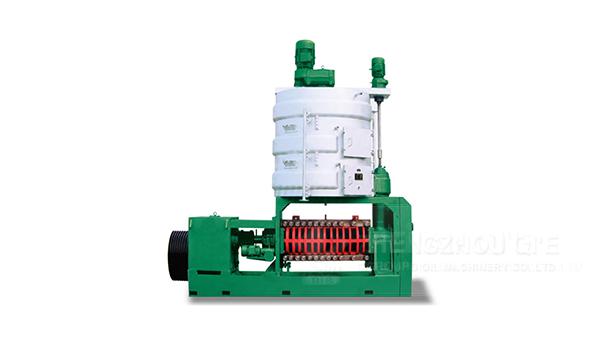
For example, soybeans typically require moderate pressure (~50 MPa) and pre-heating to approximately 90°C for optimal hot pressing, while cold pressing rapeseed at below 50°C yields premium quality oil with retained antioxidants but at a 10-15% lower extraction efficiency.

Hot Pressing vs Cold Pressing: Balancing Yield and Quality

The choice between hot and cold pressing significantly influences both oil quality parameters and production economics:

  • Hot Pressing: Elevated temperatures (up to 105°C) reduce oil viscosity and cell wall rigidity, facilitating oil flow and lifting extraction rates by up to 5–8%. However, heat exposure can increase free fatty acid content (acid value), reduce natural antioxidants like tocopherols, and shorten shelf life.
  • Cold Pressing: Maintains oil integrity with superior color, aroma, and oxidative stability but typically delivers 10%-15% lower yield. This method is favored for premium oils used in nutraceutical or gourmet markets.

Selecting the pressing method depends on your product positioning. Industrial-scale commodity oils prioritize yield and energy efficiency, whereas specialty oils require preserving sensory and nutritional attributes.

Real-World Industrial Insights and Data

Based on a case study at a mid-sized soybean oil facility, systematic parameter optimization increased oil yield from 18.5% to 20.1% (a 8.6% relative improvement) by adjusting pressing pressure from 45 MPa to 55 MPa, heating temperature from 85°C to 95°C, and refining pressing time. Concurrently, energy consumption per ton of oil decreased by 7%, enhancing both output and sustainability.

In rapeseed processing, shifting from cold to controlled hot pressing with precise temperature ramping mitigated oxidation risk while boosting yield by approximately 6%, as confirmed by process control analytics.

Troubleshooting Common Pressing Challenges

Frequent processing issues negatively impact throughput and equipment uptime. Address these with targeted interventions:

  • Material Blockage: Caused by irregular particle size or excess moisture. Solution: Implement uniform flaking and pre-drying steps to maintain moisture below 9%.
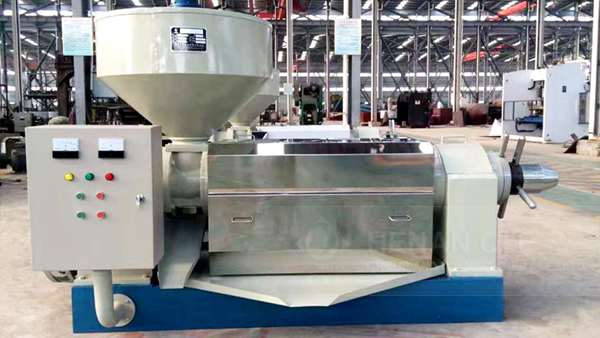
  • Uneven Pressing: Results in oil losses and cake moisture variability. Solution: Adjust pressure distribution and perform regular maintenance on hydraulic components to ensure consistent ram force.
  • Overheating Symptoms: Decreased oil quality and increased free fatty acids. Solution: Employ temperature sensors with feedback controls to avoid temperature spikes.

"Accurate alignment of seed characteristics with pressing parameters is the cornerstone of high-efficiency vegetable oil production." — Industry Expert, Global Oil Tech Association
factory-price-sesame-oil-press.jpg

Visual Guide: Matching Pressing Parameters to Raw Material Traits

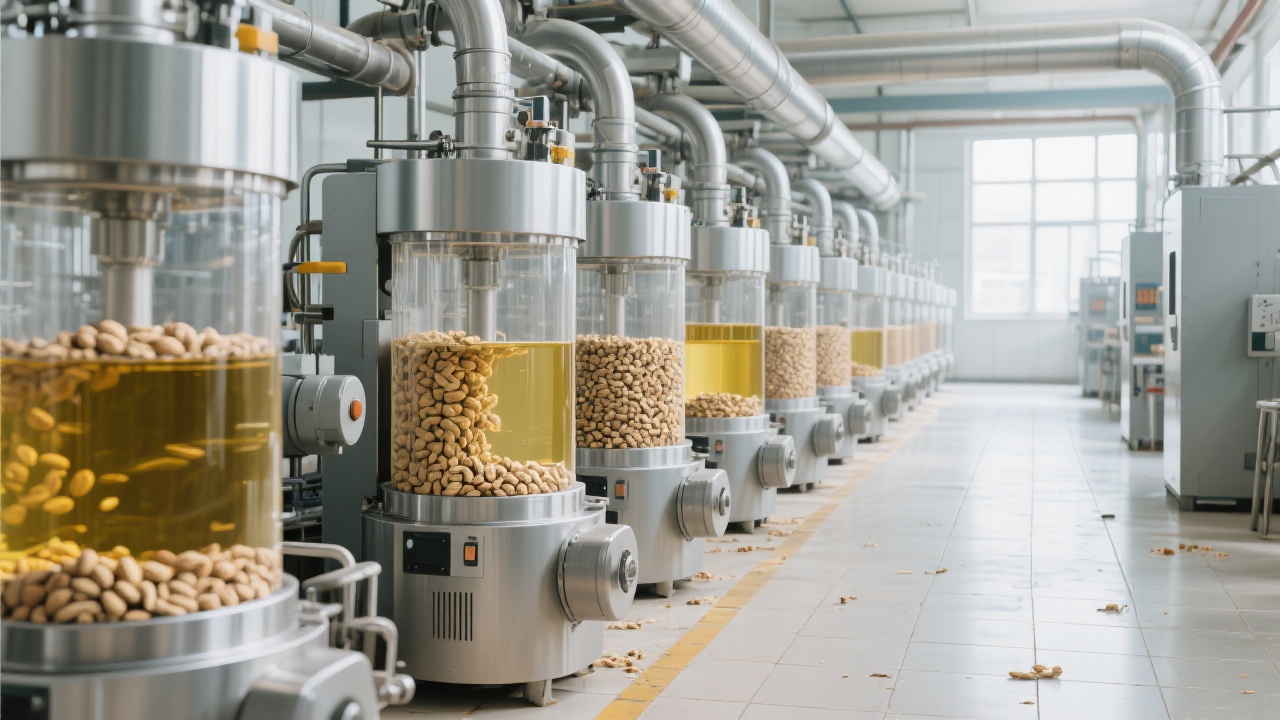
The following infographic presents key parameter ranges correlated to seed oil content, moisture, and particle size, illustrating the path toward optimized pressing strategies.

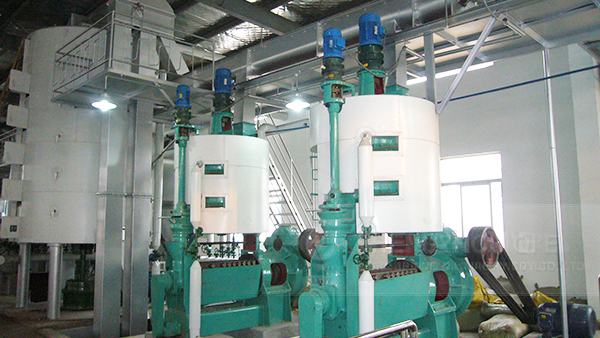
Rapeseed oil production line-3.jpg

Implementing Optimized Parameters in Your Facility

Transitioning to tailored pressing parameters requires careful data collection and iterative testing. Start by:
  1. Analyze raw seeds’ moisture and oil content regularly and record flake particle size distribution.
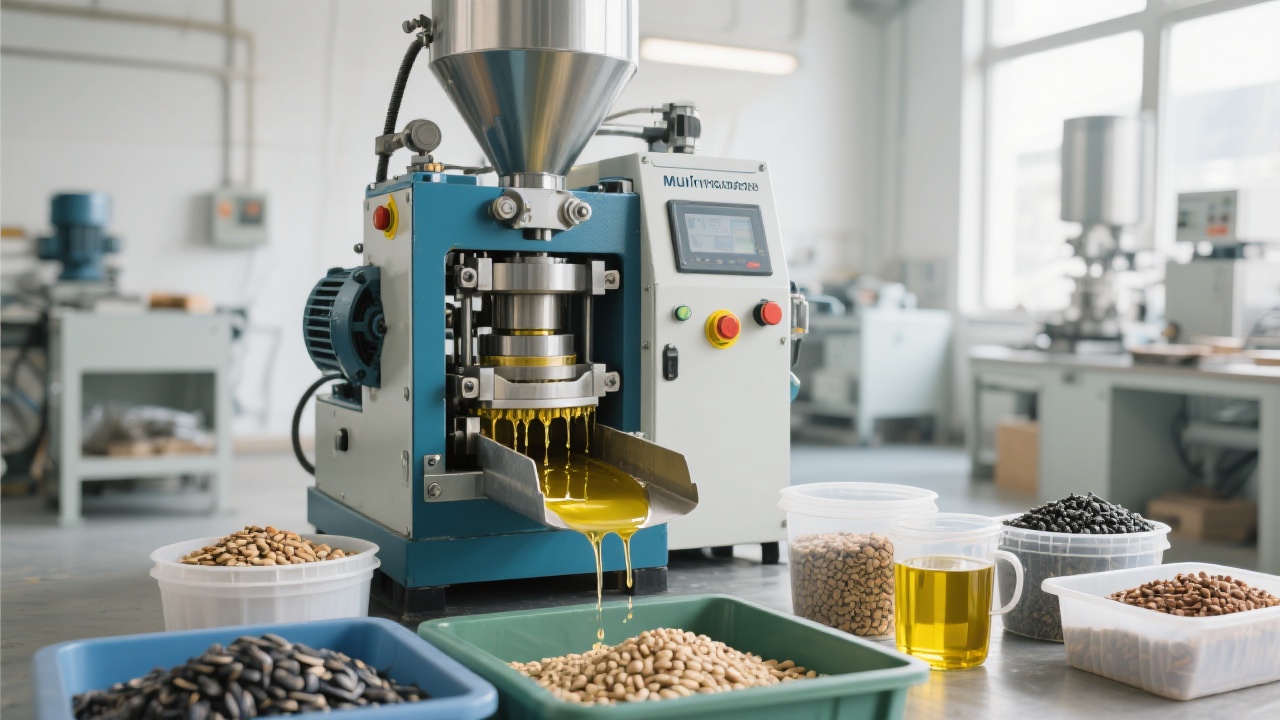
  2. Conduct small-scale pressing trials adjusting pressure and temperature in controlled increments.
  3. Monitor oil yield, acid values, and throughput to quantify improvements.
  4. Incorporate real-time monitoring sensors and automated controls to maintain chosen parameters consistently.
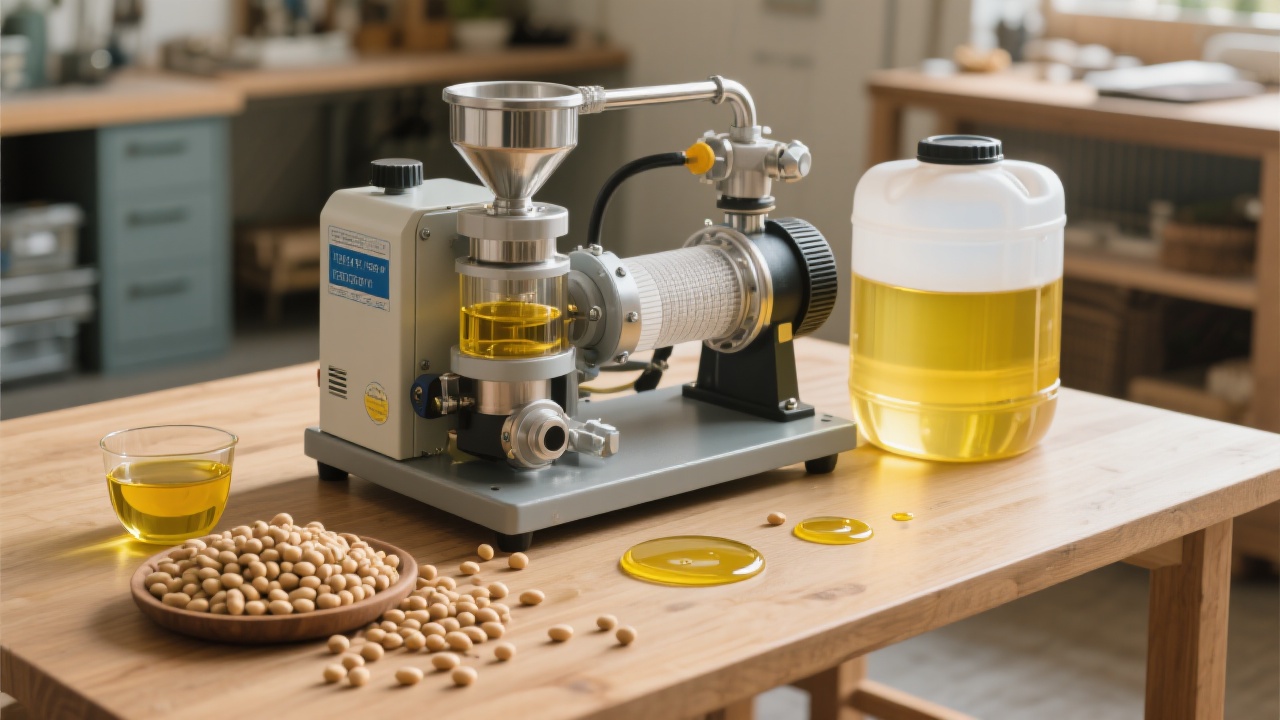
Press-3.jpg
Need a customized pressing solution tailored exactly to your oilseed raw materials? Contact us now for expert equipment configuration advice.
Recommended Products
Related Reading
https://shmuker.oss-accelerate.aliyuncs.com/data/oss/65b068c3c2e9735675cac322/668263a4df9f6e7a1281439c/20240709151517/7.jpg
2025-10-07 | https://shmuker.oss-accelerate.aliyuncs.com/tmp/temporary/60ec5bd7f8d5a86c84ef79f2/60ec5bdcf8d5a86c84ef7a9a/20240305161110/eye.png 361 | https://shmuker.oss-accelerate.aliyuncs.com/tmp/temporary/60ec5bd7f8d5a86c84ef79f2/60ec5bdcf8d5a86c84ef7a9a/20240305160636/lable.png spiral oil press small and medium oil mill oil yield improvement oil extraction process optimization oilseed pressing technology

https://shmuker.oss-accelerate.aliyuncs.com/data/oss/20250710/538e0309804a1472b80ec84b3dc69378/ae10ecde-ef80-4864-a856-21c629b8f7c6.jpeg
2025-12-06 | https://shmuker.oss-accelerate.aliyuncs.com/tmp/temporary/60ec5bd7f8d5a86c84ef79f2/60ec5bdcf8d5a86c84ef7a9a/20240305161110/eye.png 418 | https://shmuker.oss-accelerate.aliyuncs.com/tmp/temporary/60ec5bd7f8d5a86c84ef79f2/60ec5bdcf8d5a86c84ef7a9a/20240305160636/lable.png spiral oil press selection oil press energy management small medium oil mill equipment vegetable oil pressing technology oil extraction optimization
https://shmuker.oss-accelerate.aliyuncs.com/data/oss/common/20240703144204/20240703/9902daf265fe411597e851f2736fc4b4.jpg
2025-06-18 | https://shmuker.oss-accelerate.aliyuncs.com/tmp/temporary/60ec5bd7f8d5a86c84ef79f2/60ec5bdcf8d5a86c84ef7a9a/20240305161110/eye.png 251 | https://shmuker.oss-accelerate.aliyuncs.com/tmp/temporary/60ec5bd7f8d5a86c84ef79f2/60ec5bdcf8d5a86c84ef7a9a/20240305160636/lable.png small palm oil production line equipment customization advantages palm oil processing efficient and eco-friendly oil press equipment
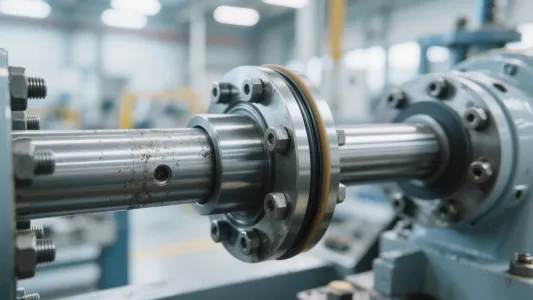
https://shmuker.oss-accelerate.aliyuncs.com/data/oss/20250708/dafbd7371ecf3b9c81d0c0f55083bdad/2b1993aa-a1e5-4f50-aa64-1a4f116cb974.jpeg
2025-07-13 | https://shmuker.oss-accelerate.aliyuncs.com/tmp/temporary/60ec5bd7f8d5a86c84ef79f2/60ec5bdcf8d5a86c84ef7a9a/20240305161110/eye.png 145 | https://shmuker.oss-accelerate.aliyuncs.com/tmp/temporary/60ec5bd7f8d5a86c84ef79f2/60ec5bdcf8d5a86c84ef7a9a/20240305160636/lable.png hydraulic oil pressing machine oil recovery improvement hydraulic system optimization automated oil extraction technology eco-friendly oil press equipment

https://shmuker.oss-accelerate.aliyuncs.com/data/oss/20250708/080379a06fb969082e1e2aebe638c7f4/3db56f25-fdb4-4b38-a091-f73f77a65f04.jpeg
2025-07-15 | https://shmuker.oss-accelerate.aliyuncs.com/tmp/temporary/60ec5bd7f8d5a86c84ef79f2/60ec5bdcf8d5a86c84ef7a9a/20240305161110/eye.png 463 | https://shmuker.oss-accelerate.aliyuncs.com/tmp/temporary/60ec5bd7f8d5a86c84ef79f2/60ec5bdcf8d5a86c84ef7a9a/20240305160636/lable.png ["efficient hydraulic oil press" "hydraulic oil extraction machine" "eco-friendly oil press" "automatic oil press system" "high yield oil press"]
Hot Products
Popular articles
Recommended Reading
Contact us
Contact us
https://shmuker.oss-cn-hangzhou.aliyuncs.com/tmp/temporary/60ec5bd7f8d5a86c84ef79f2/60ec5bdcf8d5a86c84ef7a9a/thumb-prev.png