
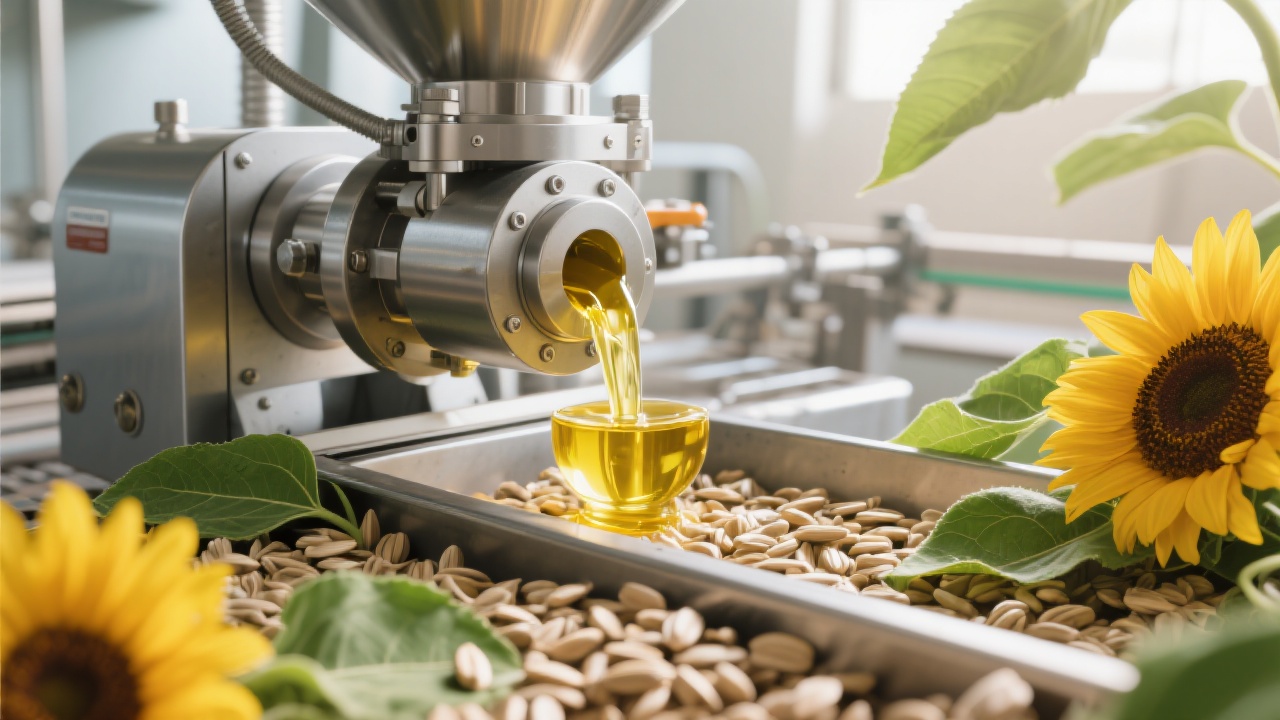
In the process of vegetable oil production, understanding the physical properties of different oil crops is the key to optimizing the operation of hydraulic presses. Oil content, moisture content, and particle size all have significant impacts on pressing efficiency. For example, cottonseeds typically have an oil content ranging from 18% - 22%. Higher oil content generally leads to higher oil yields during pressing. However, if the moisture content of cottonseeds is too high, say above 12%, it can cause problems such as clogging in the press and affect the quality of the oil. On the other hand, sunflower seeds usually have an oil content of 35% - 45%, and their relatively high oil content makes them a popular choice for oil production. The particle size of the raw materials also matters. If the particles are too large, the pressure may not be evenly distributed during pressing, resulting in lower oil yields.

The core process parameters of a hydraulic press, namely pressure, temperature, and time, need to be carefully adjusted according to the characteristics of the raw materials. When it comes to pressure, for cottonseeds with a lower oil content, a pressure of about 30 - 40 MPa may be appropriate. In contrast, sunflower seeds with a higher oil content may require a pressure of 40 - 50 MPa to achieve optimal oil extraction. Temperature is another crucial factor. Generally, a higher temperature can increase the fluidity of the oil, facilitating its separation from the raw materials. For example, when pressing cottonseeds, a temperature of 80 - 90°C can improve the oil yield. But for sunflower seeds, a slightly higher temperature of 90 - 100°C might be more suitable. The pressing time is also related to the raw material properties. Usually, it takes about 30 - 45 minutes for cottonseeds and 25 - 35 minutes for sunflower seeds to complete the pressing process.
There are two main pressing methods: hot pressing and cold pressing. Hot pressing involves heating the raw materials before pressing. This method can increase the oil yield. For instance, in a real - world case of sunflower seed processing, hot pressing can achieve an oil yield of up to 42%, while cold pressing only reaches about 38%. However, hot pressing may also cause some loss of nutritional components in the oil due to the high temperature. Cold pressing, on the other hand, is carried out at a relatively low temperature, which can better preserve the nutritional value of the oil, such as vitamins and antioxidants. But the energy consumption of hot - pressing equipment is usually about 15% - 20% higher than that of cold - pressing equipment.

In the actual operation of the press, some common problems may occur. One of the most common problems is clogging. Clogging can usually be caused by excessive moisture content in the raw materials or improper particle size. If clogging occurs, you can first check the moisture content of the raw materials and adjust it to the appropriate range. Another common problem is uneven pressing, which can lead to inconsistent oil yields. This may be due to uneven distribution of the raw materials in the press chamber or improper pressure settings. To solve this problem, you need to ensure that the raw materials are evenly loaded and adjust the pressure according to the raw material characteristics. Oil output fluctuations may be related to changes in the raw material quality or instability in the equipment operation. Regularly testing the raw material quality and maintaining the equipment can help reduce these fluctuations.
Let's take a look at a real - world case. A large vegetable oil factory was facing problems of low oil yield and unstable production. After analyzing the raw material characteristics and optimizing the process parameters, they adjusted the pressure, temperature, and time according to the specific properties of cottonseeds and sunflower seeds. For example, they increased the pressure for sunflower seeds from 35 MPa to 45 MPa and adjusted the temperature from 80°C to 95°C. As a result, their daily output increased by 15%, and the oil quality also improved significantly. This case shows that scientific adjustment of process parameters can bring substantial economic benefits to the enterprise.

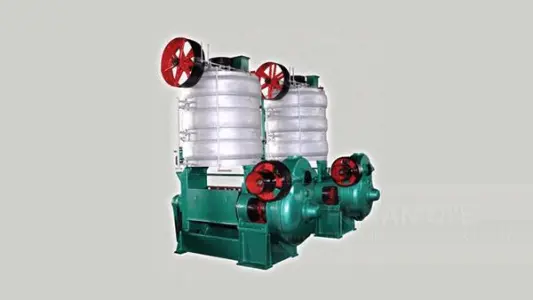
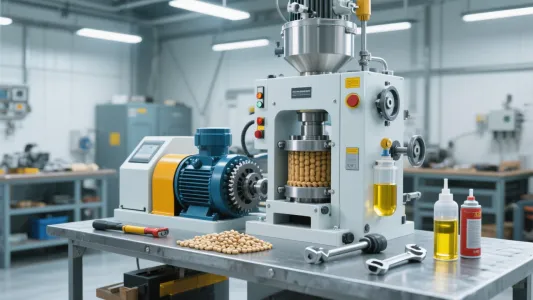
To help you better understand and operate the hydraulic press, we have prepared a suggested process parameter settings table and an operation flow chart. The table lists the recommended pressure, temperature, and time for different oil crops such as cottonseeds and sunflower seeds. The operation flow chart clearly shows the steps from raw material preparation to oil extraction, making it easier for you to follow and optimize your production process.
 448
|
448
|
 Medium Screw Oil Press
Screw Oil Press Equipment
Medium Oil Press for Vegetable Oils
Efficient Oil Processing Equipment
High Yield Medium Screw Oil Press
Durable Screw Oil Press for B2B
Automatic Medium Screw Oil Press
Compact Structure Oil Press
Medium Screw Oil Press
Screw Oil Press Equipment
Medium Oil Press for Vegetable Oils
Efficient Oil Processing Equipment
High Yield Medium Screw Oil Press
Durable Screw Oil Press for B2B
Automatic Medium Screw Oil Press
Compact Structure Oil Press
 350
|
Oilseed pretreatment before pressing
Screw oil press pretreatment
Optimization of oil extraction technology
Rapeseed pretreatment precautions
Peanut steaming and roasting temperature control
350
|
Oilseed pretreatment before pressing
Screw oil press pretreatment
Optimization of oil extraction technology
Rapeseed pretreatment precautions
Peanut steaming and roasting temperature control
 499
|
secondary pressing
solvent extraction
screw press machine
residual oil rate
small oil mill processing
499
|
secondary pressing
solvent extraction
screw press machine
residual oil rate
small oil mill processing
 248
|
screw oil press
multi-oilseed processing
solvent extraction oil press
rapeseed oil press
peanut oil extraction technology
248
|
screw oil press
multi-oilseed processing
solvent extraction oil press
rapeseed oil press
peanut oil extraction technology
 390
|
Oilseed pre - pressing treatment
Screw oil press pretreatment
Oil pressing process optimization
Oilseed cleaning technology
Peanut steaming temperature control
390
|
Oilseed pre - pressing treatment
Screw oil press pretreatment
Oil pressing process optimization
Oilseed cleaning technology
Peanut steaming temperature control






.jpg)

.jpg)