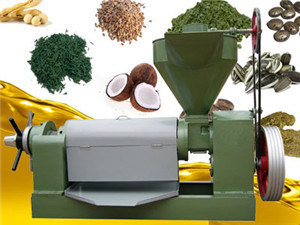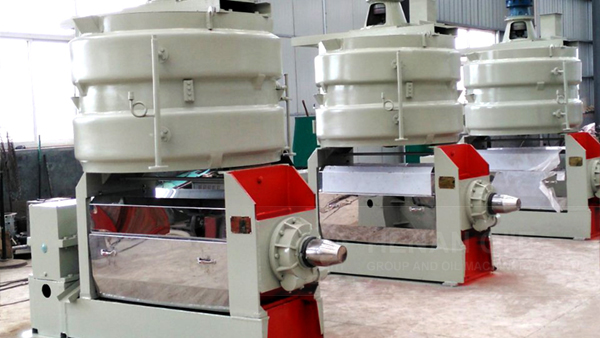
You're likely familiar with the frustration of inconsistent oil yields or frequent machine downtime—especially when processing different oilseed crops like soybeans or rapeseed. The truth is, a one-size-fits-all approach to hydraulic pressing won’t cut it. Your raw material’s physical properties directly dictate optimal pressure, temperature, and time settings.
Let’s start with real numbers: soybeans typically have a moisture content of 8–12% and an oil content of 18–22%, while rapeseed ranges from 7–10% moisture and 35–45% oil. These differences aren't just academic—they affect how much force your press needs, how long it should run, and whether you can afford to heat the feed.
Here's what works in practice:
| Oilseed Type | Recommended Pressure (MPa) | Optimal Temperature (°C) | Processing Time (min) |
|---|---|---|---|
| Soybeans | 20–25 | 85–95 | 60–90 |
| Rapeseed | 25–30 | 90–100 | 45–75 |
| Cottonseed | 18–22 | 80–90 | 75–120 |
“After switching from fixed parameters to this data-driven method, our soybean oil yield increased by 7%, and we reduced energy consumption by 12%.” — Client from Indonesia, using our hydraulic prepress system.
Heat changes everything—not just viscosity but also nutritional retention. For instance, cold-pressed rapeseed oil preserves more omega-3 fatty acids, making it ideal for premium food-grade applications. However, hot pressing increases extraction efficiency by up to 15% compared to cold methods—but at the cost of some volatile compounds.
Consider your market: if you’re targeting health-conscious consumers in Europe or North America, cold pressing might be worth the trade-off. But if your goal is maximizing throughput for industrial biodiesel production, hot pressing delivers better ROI.
Stuck presses? Uneven cake formation? Here’s how to diagnose:
If you're still unsure which method suits your specific feedstock, take a moment to ask yourself: “What kind of oil quality do I need—and what’s my production volume?” That question alone can guide your decision.
We’ll analyze your oilseed characteristics and provide a tailored parameter plan to boost yield, reduce waste, and improve equipment life.
Get Your Free Technical Consultation
 466
|
466
|
 efficient seed preprocessing production line
customized edible oil processing equipment
comprehensive seed treatment service
efficient seed preprocessing production line
customized edible oil processing equipment
comprehensive seed treatment service
 272
|
spiral oil press
small and medium oil mills
oil yield improvement
pressing process optimization
refined oil quality
272
|
spiral oil press
small and medium oil mills
oil yield improvement
pressing process optimization
refined oil quality
 469
|
multifunctional mini palm oil production equipment
efficient application in manufacturing plants
palm oil processing equipment
Penguin Group
cold and hot pressing technology
personalized customization
469
|
multifunctional mini palm oil production equipment
efficient application in manufacturing plants
palm oil processing equipment
Penguin Group
cold and hot pressing technology
personalized customization
 190
|
vegetable oil pressing temperature control
step-by-step heating strategy
oil yield improvement
raw material moisture content adjustment
oil quality control
190
|
vegetable oil pressing temperature control
step-by-step heating strategy
oil yield improvement
raw material moisture content adjustment
oil quality control
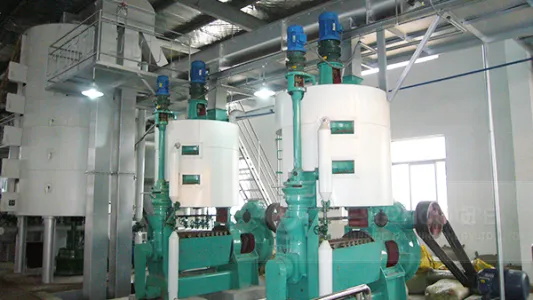 101
|
Large Screw Press oil press
ZY24 screw oil press
oil equipment screw press
high efficiency oil press
durable Large Screw Press
easy to operate screw oil press
energy saving oil extraction
physical pressing oil press
versatile oilseeds processing machine
Large Screw Press for edible oil
101
|
Large Screw Press oil press
ZY24 screw oil press
oil equipment screw press
high efficiency oil press
durable Large Screw Press
easy to operate screw oil press
energy saving oil extraction
physical pressing oil press
versatile oilseeds processing machine
Large Screw Press for edible oil