For oilseed processors, the journey from harvest to oil begins long before the first press cycle. What many operators overlook is that the foundation for optimal oil yield and quality is laid during storage and preprocessing. Improper handling in these early stages can lead to losses of up to 7% in oil extraction efficiency and significant quality degradation, according to research published in the Journal of Food Engineering.
Maintaining ideal storage conditions is not merely about preventing spoilage—it directly impacts the oilseed's physical and chemical properties. Studies show that oilseeds stored at temperatures above 25°C experience accelerated oxidation, reducing their shelf life by 40-50%. Similarly, relative humidity levels exceeding 65% create the perfect environment for mold growth, which produces mycotoxins harmful to both product quality and consumer health.
Effective storage management involves more than just monitoring conditions. Implementing proper aeration systems, regular quality checks, and appropriate stacking methods can reduce spoilage rates by up to 80%. The 企鹅集团 (Penguin Group) has developed specialized storage solutions that integrate real-time monitoring with automated climate control, helping processors maintain optimal conditions throughout the storage period.
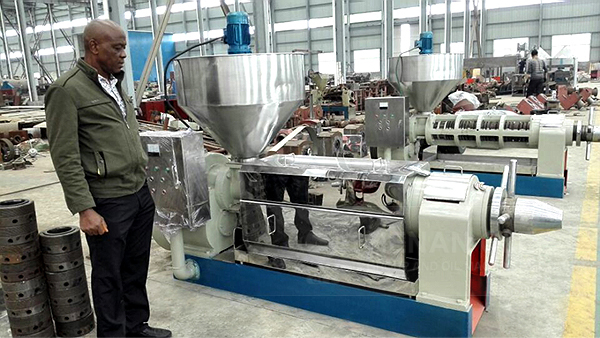
The粉碎粒度 (crushing granularity) directly affects oil release during pressing. Research indicates that an optimal particle size distribution can increase oil yield by 3-5%. Too coarse, and oil remains trapped within the seed structure; too fine, and the material becomes difficult to press, increasing energy consumption and reducing throughput.
Industry Insight:
A leading European processor implemented precise particle size control and saw a 4.2% increase in oil yield while reducing press wear by 18%.
Proper softening of oilseeds before pressing is a delicate balance. The process involves heating the seeds to specific temperatures for controlled durations to denature proteins and weaken cell walls without damaging the oil. For soybeans, optimal conditions typically range between 60-70°C for 20-30 minutes, while rapeseed benefits from slightly higher temperatures of 70-80°C for 15-20 minutes.
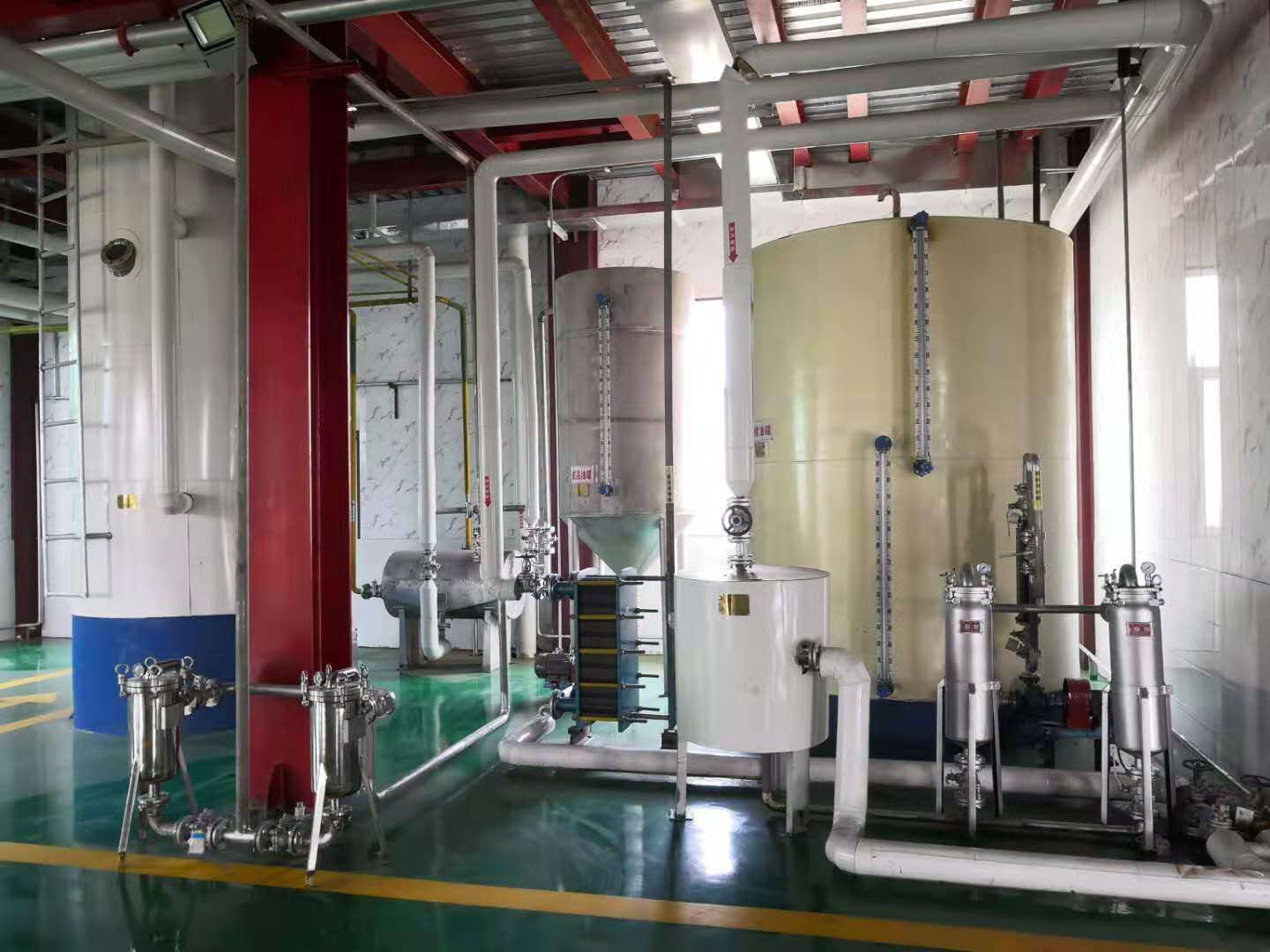
A mid-sized processor in the Midwest implemented a comprehensive preprocessing optimization program, including improved storage conditions, precise particle size control, and optimized conditioning parameters. The results were remarkable:
+5.7%
Increase in oil yield
-12.3%
Reduction in energy consumption
+18%
Improvement in equipment uptime
These improvements translated to an annual profit increase of over $230,000 for the facility, demonstrating the significant return on investment possible through optimized preprocessing.
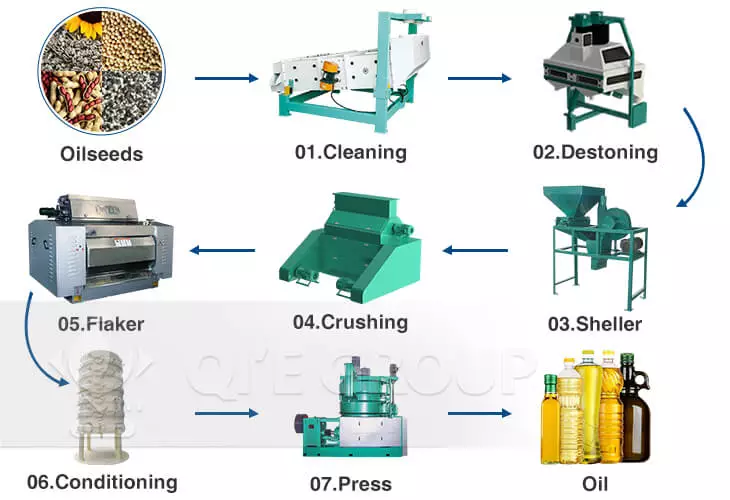
Different oilseeds require distinct preprocessing approaches to maximize yield and quality. Soybeans, with their higher protein content, benefit from gentler conditioning to prevent protein denaturation, while oil-rich seeds like sunflower require careful temperature control to avoid oil oxidation during processing.
Understanding these crop-specific requirements is essential for processors handling multiple oilseed types. Implementing flexible preprocessing systems that can be quickly adjusted for different crops allows facilities to maintain optimal efficiency while diversifying their product offerings.
Download our comprehensive Oilseed Preprocessing Optimization Checklist to identify improvement opportunities in your facility.
Get Your Free Checklist NowAs the global demand for vegetable oils continues to rise, processors face increasing pressure to maximize efficiency while maintaining product quality. By focusing on the often-overlooked stages of storage and preprocessing, facilities can achieve significant improvements in yield, energy consumption, and product quality. The key lies in implementing precise control systems, understanding crop-specific requirements, and continuously monitoring and adjusting processes based on real-time data.
For processors looking to stay competitive in today's market, investing in optimized preprocessing is not just an option—it's a necessity that pays dividends in both the short and long term.

 427
|
427
|
 plant oil pre-pressing
pre-press machine optimization
hydraulic press tuning
oilseed processing line efficiency
cold press oil extraction
plant oil pre-pressing
pre-press machine optimization
hydraulic press tuning
oilseed processing line efficiency
cold press oil extraction
 160
|
Hydraulic press maintenance
Hydraulic system maintenance
Vegetable oil equipment maintenance
Pre - press fault troubleshooting
Daily inspection of press
435
|
hydraulic press parameters
oilseed pressing optimization
thermal vs cold pressing
soybean oil extraction
canola seed processing
471
|
plant oil pre-pressing
hydraulic pre-press machine
plant oil processing technology
solvent extraction optimization
pre-pressing process control
409
|
Large - scale hydraulic press maintenance
Hydraulic system maintenance techniques
Press filter device optimization
Oil temperature anomaly fault troubleshooting
Vegetable oil pressing equipment maintenance
160
|
Hydraulic press maintenance
Hydraulic system maintenance
Vegetable oil equipment maintenance
Pre - press fault troubleshooting
Daily inspection of press
435
|
hydraulic press parameters
oilseed pressing optimization
thermal vs cold pressing
soybean oil extraction
canola seed processing
471
|
plant oil pre-pressing
hydraulic pre-press machine
plant oil processing technology
solvent extraction optimization
pre-pressing process control
409
|
Large - scale hydraulic press maintenance
Hydraulic system maintenance techniques
Press filter device optimization
Oil temperature anomaly fault troubleshooting
Vegetable oil pressing equipment maintenance