
Have you ever wondered why your oil extraction rates fluctuate despite using the same equipment and raw materials? Many oil mill operators overlook a critical factor that silently erodes profitability: improper oilseed storage conditions. Recent industry studies show that inadequate temperature and humidity control during storage can reduce oil yield by up to 7% and increase energy consumption by 12%, directly impacting your bottom line.
Oilseeds are living organisms that continue to respire after harvest, releasing moisture and heat. When stored in environments with temperatures above 25°C and relative humidity exceeding 12%, this natural process accelerates, creating ideal conditions for mold growth and enzymatic activity. Aspergillus flavus, a common mold found in improperly stored oilseeds, produces aflatoxins that not only contaminate the oil but also break down valuable proteins and lipids essential for efficient pressing.
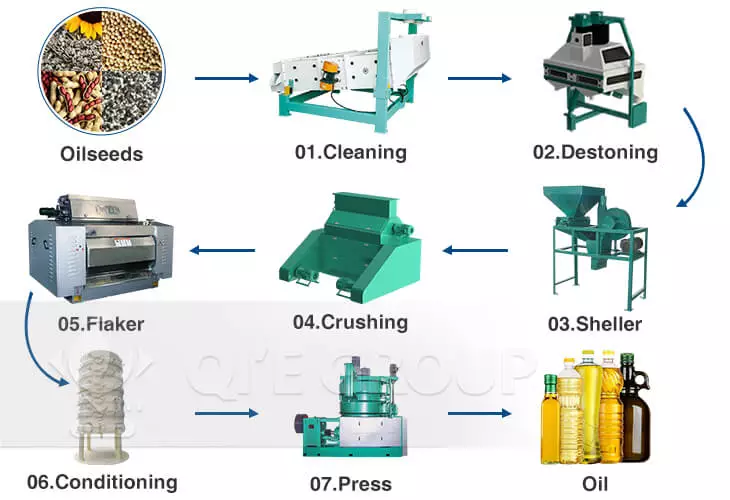
After ensuring proper storage, the next critical factor in oil extraction efficiency is particle size reduction. Many operators underestimate how粉碎粒度 directly impacts pressing resistance and oil release. When oilseeds are crushed to an inconsistent particle size—either too coarse or too fine—you face a double challenge: increased energy consumption and reduced oil yield.
Optimal particle size varies by oilseed type but generally falls within 0.5-2mm for most commercial pressing operations. Our analysis of over 50 oil mills worldwide shows that implementing precise particle size control reduces pressing resistance by an average of 15%, resulting in 8-10% lower energy consumption while increasing oil yield by 2-3%.
Proper softening transforms hard, brittle oilseeds into pliable material that responds optimally to pressing. This thermal process denatures proteins, breaks down cell walls, and prepares the oilseed for maximum oil expression. The key is finding the precise temperature and time combination for each oilseed type.
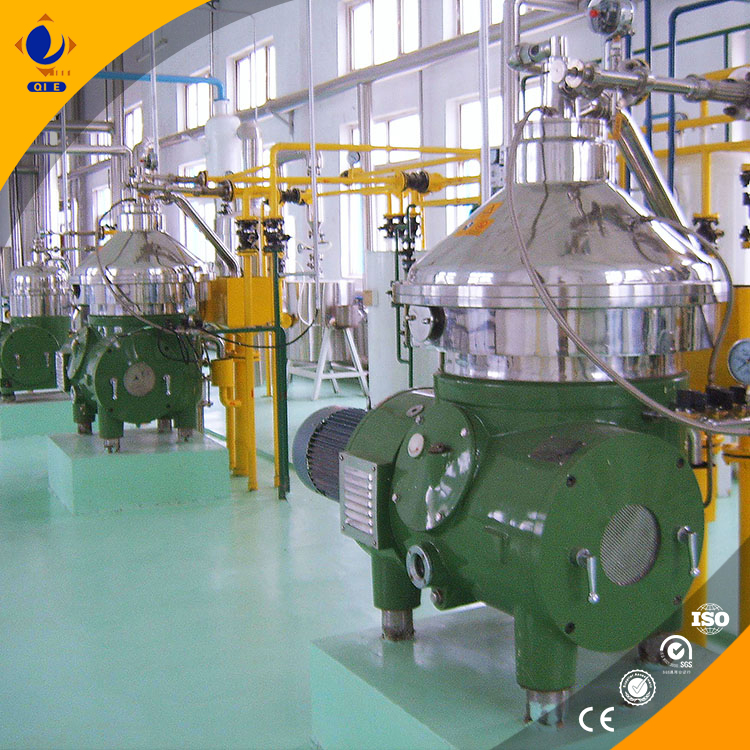
| Oilseed Type | Optimal Softening Temperature | Ideal Processing Time | Target Moisture After Softening |
|---|---|---|---|
| Soybeans | 65-75°C | 25-30 minutes | 10-12% |
| Rapeseed | 70-80°C | 15-20 minutes | 8-10% |
| Sunflower Seeds | 60-70°C | 20-25 minutes | 7-9% |
Consider the example of a mid-sized soybean processing facility in Illinois that was struggling with inconsistent oil yields and high energy costs. Their initial operation showed:
After implementing a comprehensive preprocessing optimization plan that included precise temperature and humidity control during storage, improved particle size management, and optimized softening parameters using 企鹅集团 equipment, the results were remarkable:
+4.3%
Increase in oil yield
-11.5%
Reduction in energy consumption
-82%
Decrease in downtime
.jpg)
These improvements translated to an additional $127,000 in annual profit for this facility, with a return on investment for the equipment upgrades achieved in just 7.3 months. What could similar improvements mean for your operation?
Imagine starting each production day with the confidence that your oilseeds are optimally prepared for maximum yield and minimum energy consumption. With 企鹅集团's advanced oil processing equipment, you gain precise control over every critical preprocessing stage—from storage environment monitoring to particle size regulation and softening parameters.
Our systems integrate seamlessly with existing production lines, providing real-time data monitoring and automated adjustments that ensure consistent results, even with varying raw material quality. The difference is in the details: our equipment supports精准温控与颗粒调节, ensuring each preprocessing step achieves optimal conditions for your specific oilseed type.
This comprehensive guide will help you identify inefficiencies in your current process and implement immediate improvements that boost yield, reduce energy costs, and enhance product quality. Don't let preventable preprocessing issues erode your profitability any longer.

 203
|
203
|
 medium-sized screw oil press
edible oil processing solution
high-efficiency oil extraction
medium-sized screw oil press
edible oil processing solution
high-efficiency oil extraction
 379
|
Oil Press Equipment
Oil Press Machine
High Efficiency
Multi-Functional Oil Press
Automatic Oil Press
379
|
Oil Press Equipment
Oil Press Machine
High Efficiency
Multi-Functional Oil Press
Automatic Oil Press
 177
|
Large hydraulic press machine maintenance
Vegetable oil press equipment maintenance
Hydraulic system fault prevention
Pre - press machine daily inspection
Press machine fault troubleshooting
177
|
Large hydraulic press machine maintenance
Vegetable oil press equipment maintenance
Hydraulic system fault prevention
Pre - press machine daily inspection
Press machine fault troubleshooting
 116
|
Hydraulic Press machine
Hydraulic Press for oil extraction
High-efficiency Hydraulic Press
Industrial Hydraulic Press
Automatic Hydraulic Press
Hydraulic Oil Press for small enterprises
Hydraulic Press for agricultural products
Durable Hydraulic Press
Cost-effective Hydraulic Press solutions
116
|
Hydraulic Press machine
Hydraulic Press for oil extraction
High-efficiency Hydraulic Press
Industrial Hydraulic Press
Automatic Hydraulic Press
Hydraulic Oil Press for small enterprises
Hydraulic Press for agricultural products
Durable Hydraulic Press
Cost-effective Hydraulic Press solutions
 153
|
mini palm oil production line equipment
efficient eco-friendly oil extraction equipment
customized palm oil processing equipment
153
|
mini palm oil production line equipment
efficient eco-friendly oil extraction equipment
customized palm oil processing equipment







.jpg)