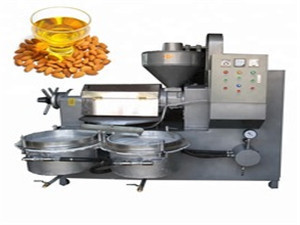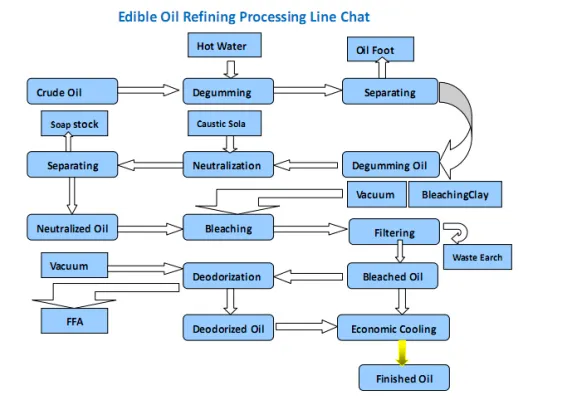
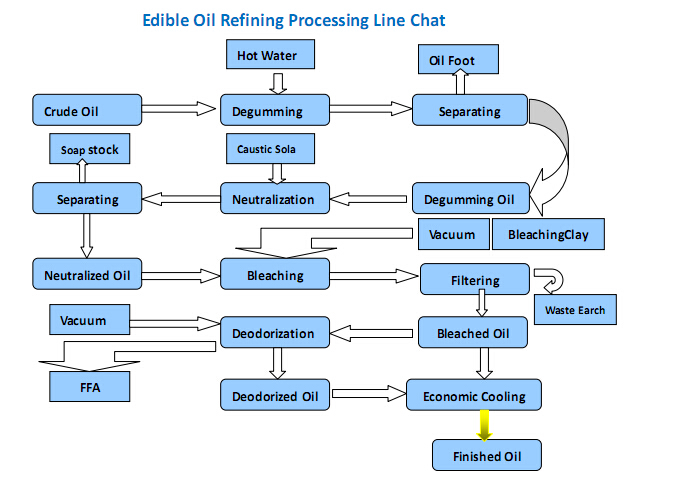
In the competitive landscape of edible oil production, understanding the unique characteristics of each oilseed type is fundamental to achieving maximum efficiency and oil quality. Many medium and small-scale oil mills struggle with inconsistent yields and equipment wear due to generic processing approaches. This comprehensive guide, backed by decades of field experience, explores the scientific principles behind optimizing spiral pressing technology for four major oilseeds: rapeseed, sunflower, cottonseed, and peanut.
"The difference between average and exceptional oil extraction lies in understanding how each seed's physical properties respond to pressure, temperature, and moisture. Mastering these variables transforms good equipment into great production systems." — Oil Processing Specialist, Penguin Group Technical Team
Each oilseed variety presents distinct challenges and opportunities during processing. The table below highlights key differences that directly impact pressing outcomes:
| Oilseed Type | Typical Oil Content | Optimal Moisture Content | Particle Structure |
|---|---|---|---|
| Rapeseed | 38-42% | 8-10% | Small, hard kernels with high fiber content |
| Sunflower Seed | 45-50% | 6-8% | Large, flat seeds with thin hulls |
| Cottonseed | 18-24% | 9-11% | Hard, oval seeds with thick hulls |
| Peanut | 45-55% | 5-7% | Soft, irregular kernels with high oil content |
These inherent differences necessitate customized processing approaches. For instance, peanuts require gentler handling to prevent oil oxidation, while rapeseed benefits from higher temperatures to break down cell structures. Ignoring these variations often results in yield losses of 3-7% and increased equipment maintenance costs.
Effective preprocessing directly impacts oil extraction efficiency. Each oilseed requires precise control of crushing粒度, moisture, and temperature to prepare the material for optimal pressing.
Rapeseed benefits from a two-stage crushing process to achieve an ideal particle size of 2-3mm. The cooking stage should maintain temperatures between 105-115°C for 25-30 minutes to reduce glucosinolate content while preserving oil quality. Properly processed rapeseed typically shows a 4-6% increase in oil yield compared to standard processing.
Sunflower seeds require careful dehulling (removing 70-80% of hulls) before processing. The optimal cooking temperature ranges from 95-105°C with a shorter retention time of 15-20 minutes. This gentle treatment prevents overheating of the high-value sunflower oil while maintaining proper protein structure for efficient pressing.
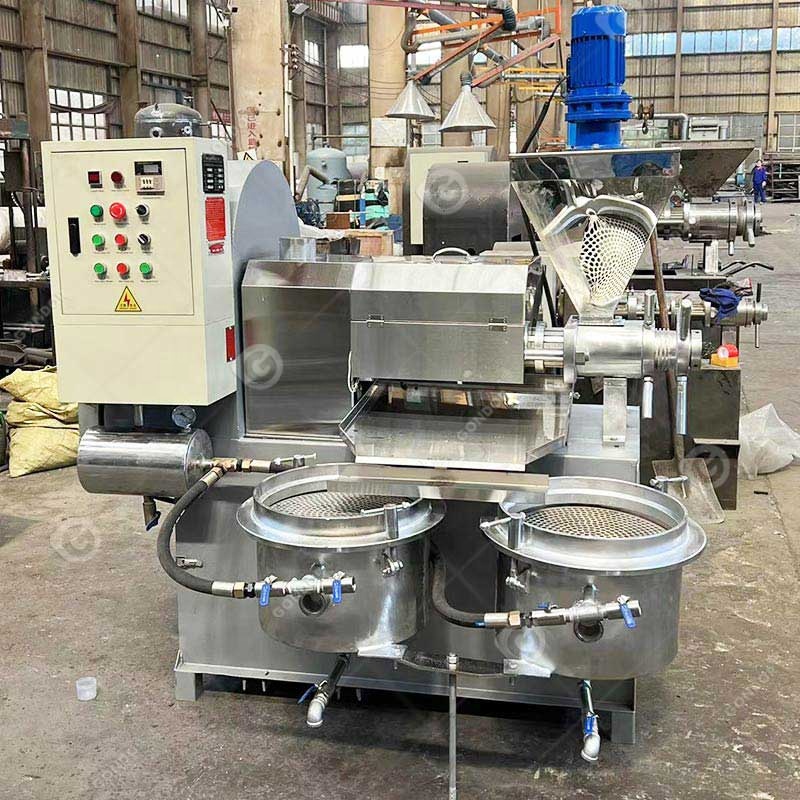
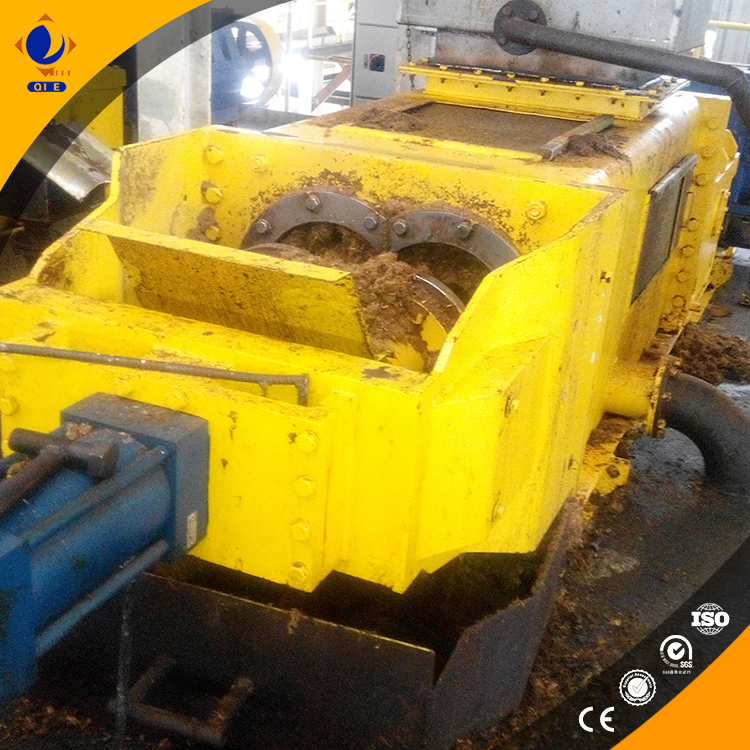
The heart of efficient oil extraction lies in understanding how to dynamically adjust press parameters based on oilseed type. The spiral press operates on the principle of pressure gradient creation, where optimal pressure varies significantly between oilseeds.
For rapeseed, the ideal pressure profile starts at 8-10 MPa in the feeding zone, gradually increasing to 18-20 MPa in the pressing zone. Sunflower seeds, with their higher oil content, require a gentler initial pressure of 6-8 MPa, reaching 15-17 MPa at the discharge end. Cottonseed, being lower in oil, benefits from a more aggressive pressure profile starting at 10-12 MPa and peaking at 22-24 MPa.
Peanuts represent a special case, requiring careful pressure management to prevent oil overheating. The optimal profile starts at 5-7 MPa, gradually increasing to 14-16 MPa. Maintaining these pressure parameters typically results in residual oil content in the cake of 5% or lower, compared to 8-12% with improper settings.
A mid-sized oil mill in Eastern Europe implemented customized pressure profiles for different oilseeds using the Penguin Group ZY24(202-3) continuous spiral oil press. The results were remarkable:
.jpg)
Even the most advanced equipment cannot deliver optimal results without proper process knowledge. The Penguin Group ZY24(202-3) continuous spiral oil press is engineered to handle these varying requirements through its advanced pressure regulation system and customizable processing parameters. However, true performance optimization comes from understanding how to align machine settings with specific oilseed characteristics.
Production managers who invest time in mastering these process details typically see ROI within 3-6 months through improved yield, better oil quality, and reduced operational costs. The difference between average and optimized performance often translates to thousands of dollars in annual profit for medium-scale operations.
Discover how the Penguin Group ZY24(202-3) spiral oil press, combined with proper process optimization, can increase your yield by 4-7% while improving oil quality.
Download Our Comprehensive Processing GuideRemember that every oilseed batch may have slight variations, even within the same type. Regular testing of incoming materials and adjustment of processing parameters accordingly is key to maintaining consistent results. By combining scientific understanding with practical experience, your operation can achieve new levels of efficiency and product quality that distinguish you in the competitive edible oil market.

 449
|
449
|
 screw oil press pre-treatment
material blockage solution
oilseed processing optimization
sunflower seed preprocessing
steam cooking for oil extraction
435
|
hydraulic press parameters
oilseed pressing optimization
thermal vs cold pressing
soybean oil extraction
canola seed processing
screw oil press pre-treatment
material blockage solution
oilseed processing optimization
sunflower seed preprocessing
steam cooking for oil extraction
435
|
hydraulic press parameters
oilseed pressing optimization
thermal vs cold pressing
soybean oil extraction
canola seed processing
 258
|
vegetable oil pressing parameter selection
hot - pressing and cold - pressing process differences
press operation guide
oil crop pressing parameter matching
hydraulic pre - press application
181
|
vegetable oil press parameter selection
hot - pressing and cold - pressing process differences
oil press operating guide
oil crop pressing optimization
hydraulic pre - press application skills
258
|
vegetable oil pressing parameter selection
hot - pressing and cold - pressing process differences
press operation guide
oil crop pressing parameter matching
hydraulic pre - press application
181
|
vegetable oil press parameter selection
hot - pressing and cold - pressing process differences
oil press operating guide
oil crop pressing optimization
hydraulic pre - press application skills
 179
|
oil press selection
plant oil pressing parameters
hot vs cold pressing
hydraulic press for oil extraction
oilseed processing technology
179
|
oil press selection
plant oil pressing parameters
hot vs cold pressing
hydraulic press for oil extraction
oilseed processing technology







.jpg)