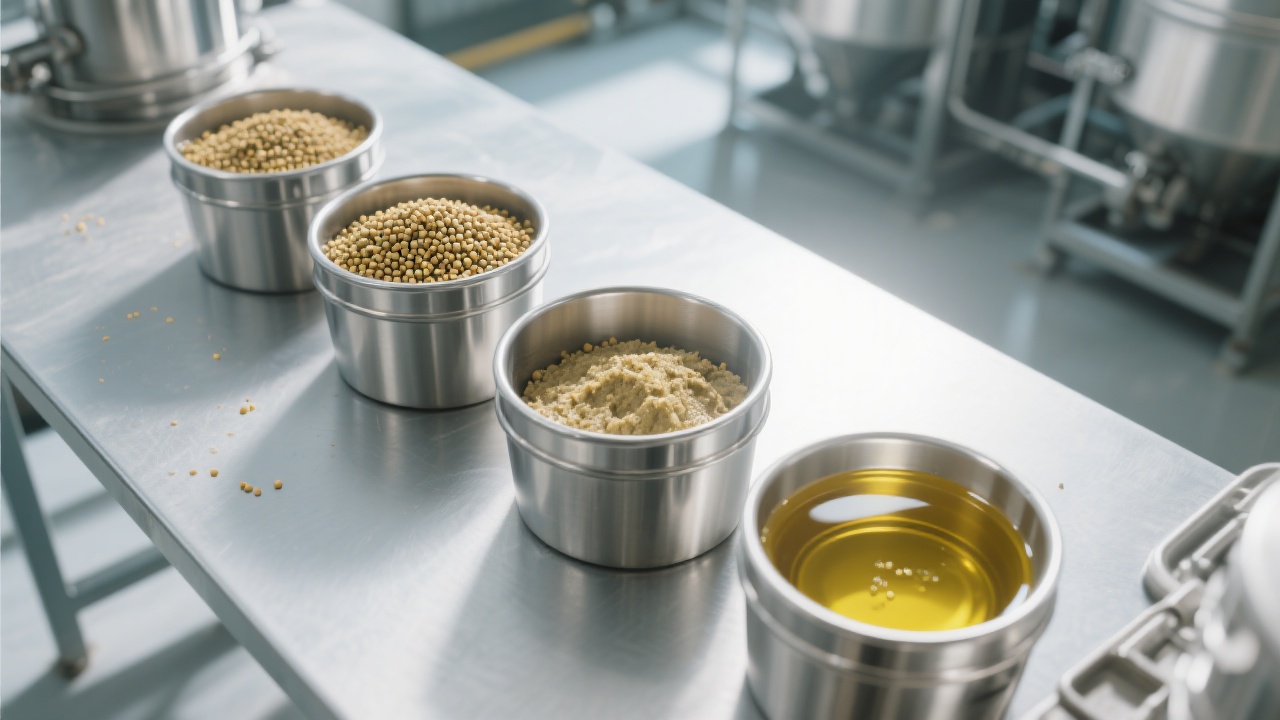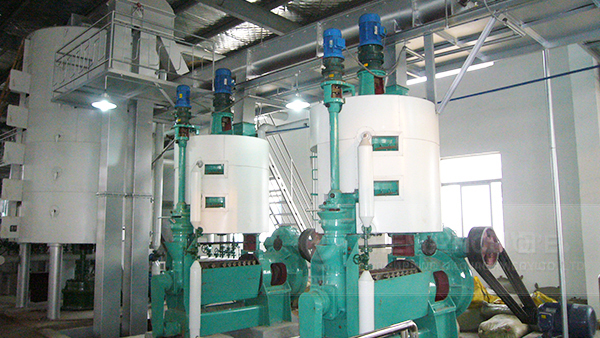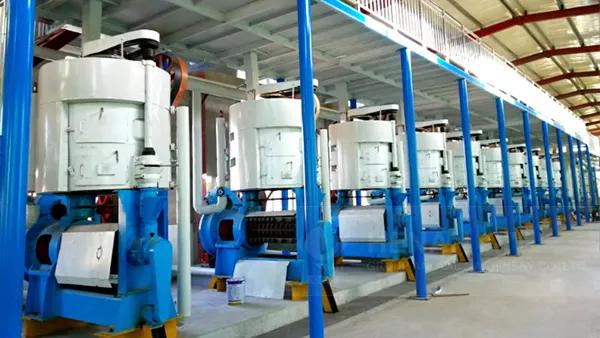
In the competitive world of edible oil production, achieving consistent and high-yield extraction is not just about equipment—it’s about understanding how raw material characteristics interact with process parameters. Many processors face recurring issues like uneven pressing, reduced oil yield, and premature machine wear—all stemming from a mismatch between feedstock properties and press settings.
Take soybeans, canola seeds, or cottonseed—each has unique physical traits that directly impact pressing performance:
A real-world case from a 30-ton/day facility in India showed a 7% drop in oil yield when switching from soybean to rapeseed without adjusting temperature or press speed. After recalibrating based on moisture and oil content data, they recovered 6.2 percentage points in output within two weeks—a clear ROI from proper parameter tuning.
Industry Insight: According to the International Society of Oilseed Technologists (ISOT), 68% of industrial presses operate below optimal efficiency due to improper material-to-process matching—not poor equipment design.
While hot pressing offers higher throughput, it risks degrading heat-sensitive compounds like tocopherols and free fatty acids. Cold pressing maintains nutritional integrity but demands precise control over moisture and pre-conditioning time.
| Process Type | Best For | Avg. Oil Yield Gain | Key Risk |
|---|---|---|---|
| Hot Pressing | Soy, Cottonseed | +5–8% | Oxidation, gumming |
| Cold Pressing | Canola, Sunflower | +3–6% | Clogging, low throughput |
These differences highlight why a one-size-fits-all approach fails. The key lies in predictive calibration—using historical data and real-time feedback loops to adjust pressure, temperature, and dwell time dynamically.
Proactive adjustments save thousands in downtime and energy costs annually. One Indonesian processor reported a 12% reduction in electricity usage after installing smart sensors that adjusted press pressure automatically during shifts.
“The best press isn’t the most expensive—it’s the one that adapts to your feedstock.” — Dr. Ravi Mehta, Senior Process Engineer, Asia-Pacific Oil Solutions
If you're still experiencing inconsistent yields or frequent breakdowns, it may be time to reevaluate your entire pressing strategy—not just your machine.
 282
|
282
|
 Multifunctional Spiral Hot And Cold Oil Press
Spiral Oil Hot and Cold Press Equipment
High Efficiency Oil Press
Edible Oil Production Machine
Durable Oil Extraction Equipment
Cold Press Oil Machine
Hot Press Oil Extraction
Petroleum Equipment for Oilseeds
User-Friendly Oil Press
Natural Pure Edible Oil Press
Multifunctional Spiral Hot And Cold Oil Press
Spiral Oil Hot and Cold Press Equipment
High Efficiency Oil Press
Edible Oil Production Machine
Durable Oil Extraction Equipment
Cold Press Oil Machine
Hot Press Oil Extraction
Petroleum Equipment for Oilseeds
User-Friendly Oil Press
Natural Pure Edible Oil Press
 210
|
Small and medium - sized screw oil press
Screw shaft design
Pressing temperature control
Pre - heating function
Oil mill equipment selection
210
|
Small and medium - sized screw oil press
Screw shaft design
Pressing temperature control
Pre - heating function
Oil mill equipment selection
 268
|
20 Ton Palm Oil Processing Machine
Automated Palm Oil Processing Equipment
High Efficiency Palm Oil Machine
304 Stainless Steel Palm Oil Processing
ISO9001 Certified Palm Oil Equipment
Multi-Function Palm Oil Processing Machine
Industrial Palm Oil Extraction Equipment
Energy Efficient Palm Oil Processing
Palm Oil Refining Machine
268
|
20 Ton Palm Oil Processing Machine
Automated Palm Oil Processing Equipment
High Efficiency Palm Oil Machine
304 Stainless Steel Palm Oil Processing
ISO9001 Certified Palm Oil Equipment
Multi-Function Palm Oil Processing Machine
Industrial Palm Oil Extraction Equipment
Energy Efficient Palm Oil Processing
Palm Oil Refining Machine
 172
|
Medium-sized screw oil press
Oilseed pretreatment process
Steaming and frying parameter optimization
Screw oil press operation guide
SOP standard process
129
|
Medium - sized screw oil press
Oil material pretreatment
Pressing efficiency
Steaming and frying process
Oil quality
172
|
Medium-sized screw oil press
Oilseed pretreatment process
Steaming and frying parameter optimization
Screw oil press operation guide
SOP standard process
129
|
Medium - sized screw oil press
Oil material pretreatment
Pressing efficiency
Steaming and frying process
Oil quality