Entering the oilseed processing industry means you’ll encounter preprocessing—the foundational module that dictates the efficiency and profitability of your entire oil extraction line. From seed storage to crushing and softening, each step must be meticulously designed and controlled to maximize yield and minimize losses. Let’s navigate through these pivotal stages, empowering you to make informed decisions to optimize your plant’s throughput by as much as 30%, backed by real-world success stories.
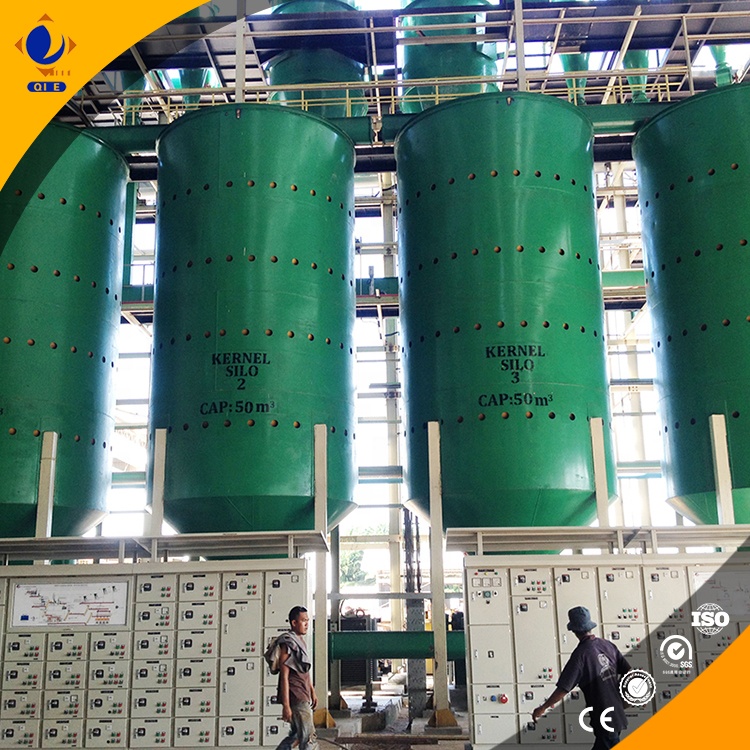
Planning your seed storage volume is more than just filling space—it’s about safeguarding raw material quality. The principle is straightforward: storage capacity, or warehouse volume, should align proportionally with your plant’s daily processing capacity, factoring in delivery schedules and supply chain variability.
Overfilling leads to elevated seed temperature and moisture aggregation, fostering microbial growth and oil quality degradation. In contrast, insufficient capacity causes supply interruptions and production downtime. Industry benchmarks advise that for every ton of daily throughput, allocate storage space for 2-3 days of inventory as a buffer against supply fluctuations.
Effective storage strategies also include aeration control and humidity management to reduce seed respiration losses, which can average up to 2% weight loss per week under poor conditions.
The crushing step converts raw seeds into appropriately sized particles for efficient oil extraction. Your choice between hammer crushers and roller crushers impacts throughput, particle uniformity, and subsequent softening efficiency.
Hammer crushers offer high capacity and are suitable for hard and dry seeds, producing fragmented material ideal for oil release but with higher fines generation, which may require additional handling.
Roller crushers provide more uniform particle size with less damage to the seed coat, preserving kernel integrity—making them the preferred option for delicate oilseeds like peanuts and certain nuts. However, they tend to have lower throughput compared to hammer crushers.
| Feature | Hammer Crusher | Roller Crusher |
|---|---|---|
| Capacity | High (up to 30 tons/hr) | Moderate (up to 15 tons/hr) |
| Particle Size Uniformity | Lower (more fines) | Higher (more uniform) |
| Seed Damage | Higher | Lower |
| Maintenance | Frequent hammer replacement | Periodic roller alignment |
Softening is a critical thermal pretreatment that enhances oil release by altering seed matrix structure. Misjudging steam parameters often leads to reduced oil yield or equipment clogging.
Key parameters include:
Utilizing PLC-based automation here ensures stable parameter control, dynamically adjusting for fluctuations in seed moisture or ambient conditions.
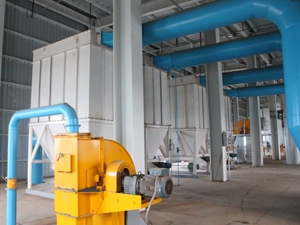
The harmony between storage, crushing, and softening stages directly affects your facility’s throughput and quality consistency. Any bottleneck or mismatch in capacity can cascade into significant downtime or suboptimal extraction rates.
Deploying advanced PLC control systems allows seamless coordination—monitoring raw material levels, synchronizing crusher loads, and adjusting steam parameters in real-time. This integrated approach minimizes human error, enhances traceability, and supports predictive maintenance.
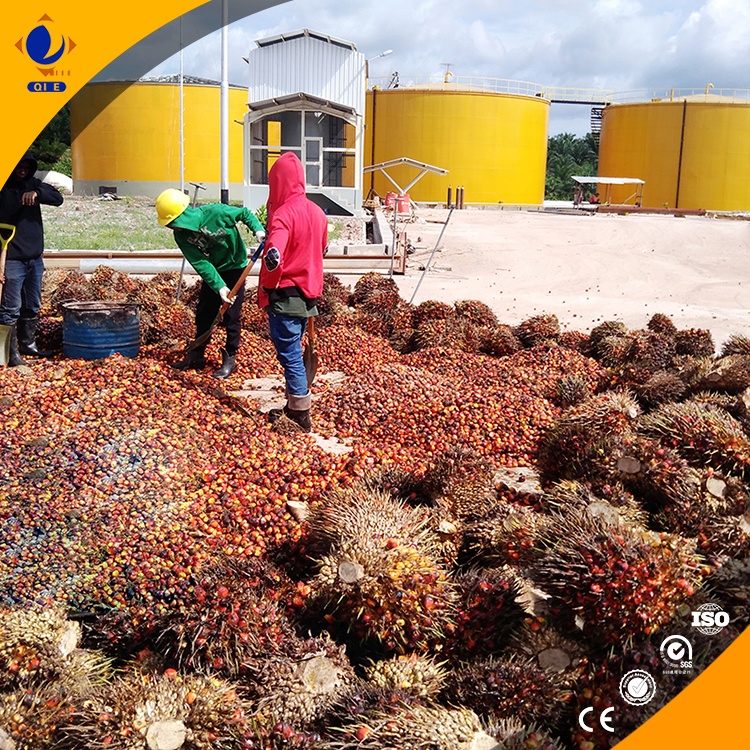
A palm kernel processing plant in West Africa faced frequent processing interruptions due to overfilled seed silos and unstable softening conditions. By recalibrating storage volume to align with daily throughput, switching the crusher type from hammer to roller for softer kernels, and implementing automated steam control, the plant raised extraction efficiency by 30% within six months.
Their approach highlights the influence of targeted preprocessing design on downstream performance and bottom-line results.

 427
|
427
|
 plant oil pre-pressing
pre-press machine optimization
hydraulic press tuning
oilseed processing line efficiency
cold press oil extraction
plant oil pre-pressing
pre-press machine optimization
hydraulic press tuning
oilseed processing line efficiency
cold press oil extraction
 367
|
oilseed pressing optimization
hydraulic press parameter adjustment
vegetable oil extraction efficiency
pressing uniformity solutions
oilseed processing troubleshooting
257
|
Medium - sized screw oil press
Oil material pretreatment
Granularity control
Moisture adjustment
Oil pressing process
35
|
hydraulic press maintenance
unplanned downtime reduction
plant oil processing equipment
preventive maintenance strategy
industrial hydraulic system optimization
296
|
Medium - sized screw oil press
Oilseed pretreatment process
Optimization of steaming - stir - frying parameters
Solutions for high oil content in oil residues
Operation skills of screw oil press
367
|
oilseed pressing optimization
hydraulic press parameter adjustment
vegetable oil extraction efficiency
pressing uniformity solutions
oilseed processing troubleshooting
257
|
Medium - sized screw oil press
Oil material pretreatment
Granularity control
Moisture adjustment
Oil pressing process
35
|
hydraulic press maintenance
unplanned downtime reduction
plant oil processing equipment
preventive maintenance strategy
industrial hydraulic system optimization
296
|
Medium - sized screw oil press
Oilseed pretreatment process
Optimization of steaming - stir - frying parameters
Solutions for high oil content in oil residues
Operation skills of screw oil press
.jpg)