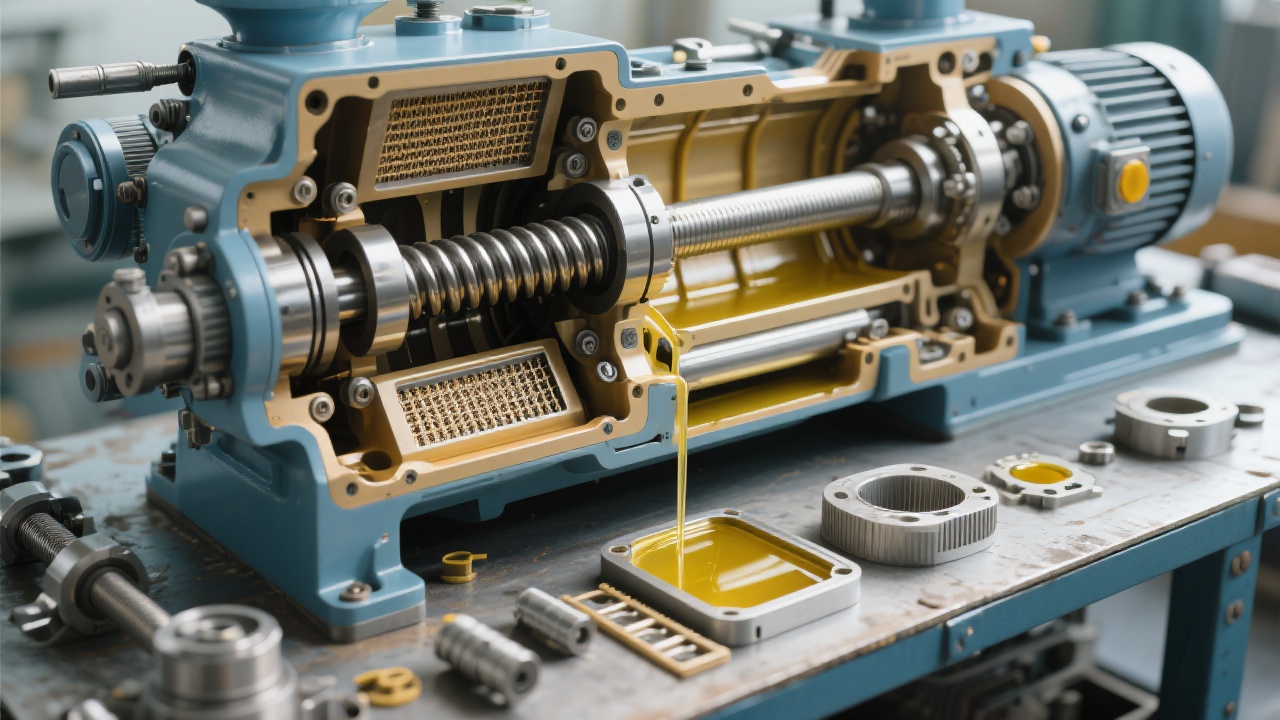
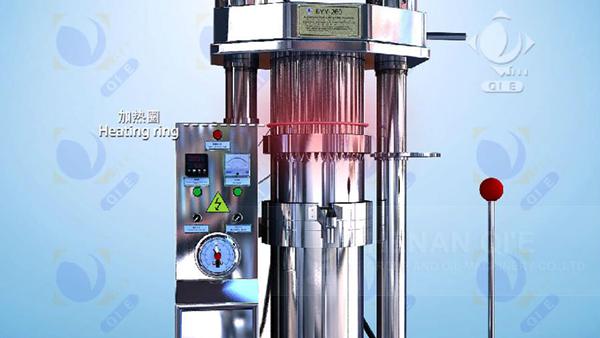
Entering the edible oil processing industry presents numerous technical challenges, especially for newcomers navigating the complex interplay between equipment selection, process optimization, and production efficiency. The preprocessing module serves as the critical foundation of any oilseed processing line, directly impacting downstream extraction efficiency, oil quality, and overall plant profitability. This guide breaks down the essential design considerations for creating a preprocessing system that perfectly balances daily throughput requirements with storage capacities while ensuring optimal processing conditions.
The preprocessing stage transforms raw oilseeds into properly conditioned material ready for oil extraction. This critical phase typically includes cleaning, drying, storage, crushing, and softening—each step requiring precise parameter control. According to industry benchmarks, an optimally designed preprocessing module can increase overall extraction efficiency by 3-5% and reduce energy consumption by up to 12% compared to poorly designed systems.
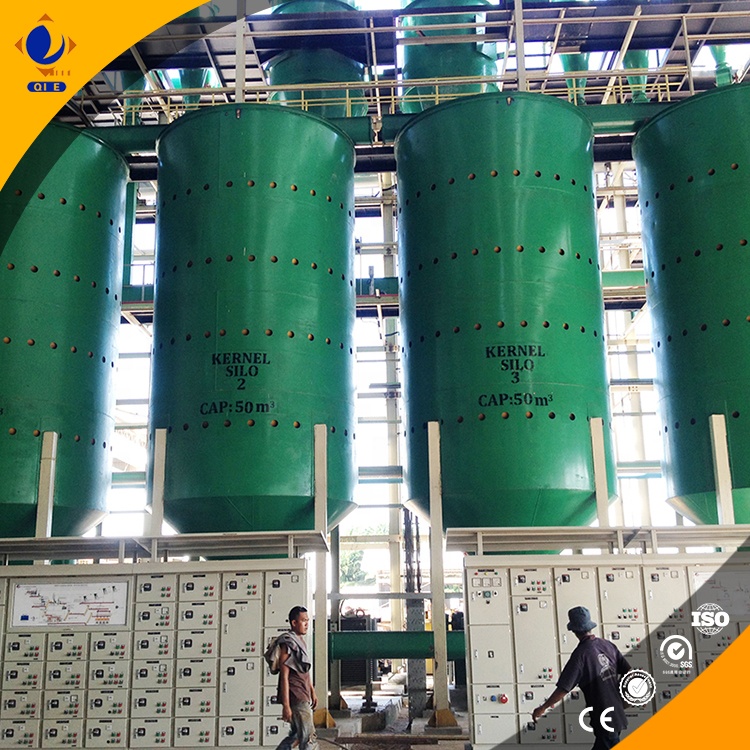
Proper storage capacity prevents production interruptions and allows for strategic raw material management. The general rule of thumb recommends storage capacity equal to 7-10 days of raw material consumption, depending on seed type and seasonal availability. For example, a facility with a daily processing capacity of 500 tons should ideally have storage for 3,500-5,000 tons of oilseeds.
| Daily Processing Capacity (Tons) | Minimum Storage Capacity (Tons) | Optimal Storage Capacity (Tons) |
|---|---|---|
| 100 | 700 | 1,000 |
| 500 | 3,500 | 5,000 |
| 1,000 | 7,000 | 10,000 |
Storage design must account for seed-specific characteristics. Oilseeds like soybeans require different storage conditions than sunflower seeds or rapeseed. Temperature control becomes critical, with most oilseeds requiring storage temperatures between 15-20°C and relative humidity below 12% to prevent spoilage and maintain quality.
The choice between hammer mills and roller mills significantly impacts particle size distribution, energy consumption, and downstream processing efficiency. Hammer mills excel at processing oilseeds with high oil content like sunflower seeds, providing throughput rates of 5-15 tons per hour depending on model size. Roller mills, conversely, offer superior particle uniformity for soybeans and rapeseed, with typical capacities ranging from 10-30 tons per hour for industrial models.
The softening stage prepares oilseeds for efficient flaking by adjusting moisture content and temperature. Steam pressure and heating time are critical variables that vary by seed type. For soybeans, optimal conditions typically involve steam pressure of 0.2-0.3 MPa and heating time of 15-20 minutes, resulting in a target moisture content of 8-10%.
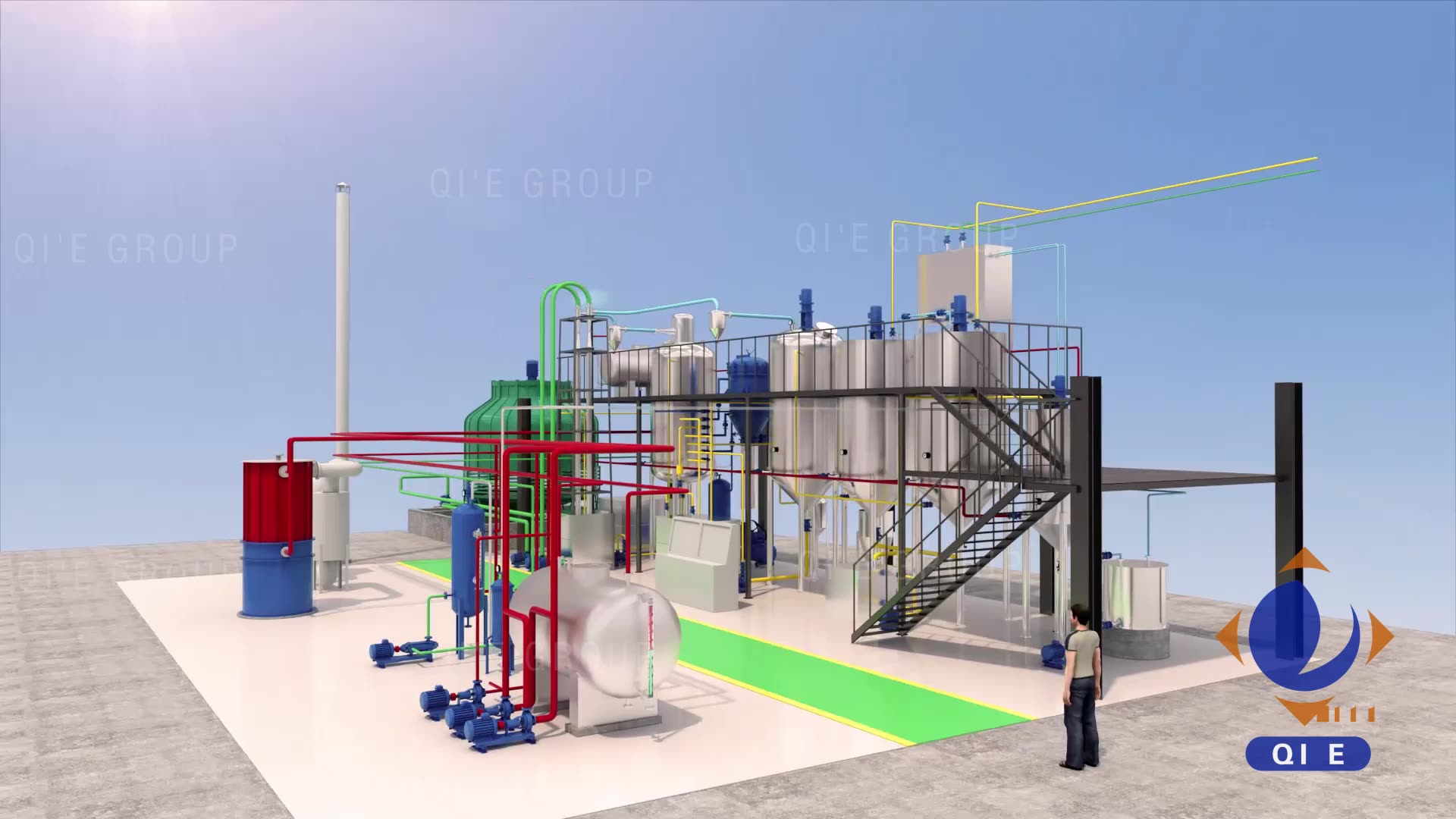
Sunflower seeds require slightly different treatment, with steam pressure between 0.15-0.25 MPa and shorter heating times of 10-15 minutes. Maintaining precise control in this stage prevents oil oxidation and ensures proper flake formation—factors that directly impact oil yield in subsequent extraction processes.
Modern preprocessing modules leverage PLC (Programmable Logic Controller) systems to maintain consistent processing conditions and enable seamless transition between stages. Automated control systems can reduce processing variability by up to 40% compared to manual operations, significantly improving product consistency.
Key automation components include:
Even with properly sized individual components, poor integration between stages can create bottlenecks and reduce overall efficiency. The design should ensure that material flow rates between preprocessing stages match the system's designed capacity. For example, a 500-ton-per-day facility requires material transfer rates of approximately 21 tons per hour to maintain continuous operation.
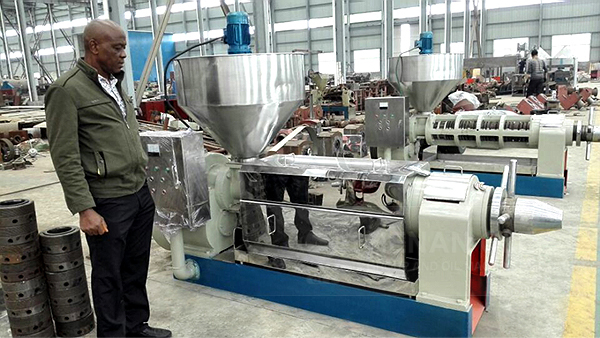
A recent penguin group project for a 300-ton-per-day rapeseed processing facility demonstrates the impact of proper preprocessing design.
By implementing the design principles outlined above—including 2,500-ton storage capacity, roller mill technology, precise softening parameters, and PLC automation—the facility achieved:
These improvements resulted in an estimated payback period of just 14 months through increased oil yield and reduced operating costs.
Use this checklist to verify your preprocessing module design:
Access our comprehensive technical documentation library for detailed engineering specifications and design blueprints
Download Preprocessing Design GuideProper preprocessing module design establishes the foundation for a successful oilseed processing operation. By carefully matching storage capacity with daily throughput requirements and optimizing each processing stage, operators can achieve significant improvements in efficiency, product quality, and overall profitability. The integration of appropriate technology, precise parameter control, and automated systems ensures consistent performance and long-term operational success in the competitive edible oil processing industry.

 434
|
434
|
 Penguin oil pressing equipment
high-efficiency oil extraction
eco-friendly oil production equipment
Petroleum equipment for oil extraction
ISO9001 certified oil pressing machines
plant and animal oil extraction machinery
reliable oil pressing solutions
patented oil extraction technology
comprehensive oil production solutions
Penguin oil pressing equipment
high-efficiency oil extraction
eco-friendly oil production equipment
Petroleum equipment for oil extraction
ISO9001 certified oil pressing machines
plant and animal oil extraction machinery
reliable oil pressing solutions
patented oil extraction technology
comprehensive oil production solutions
 356
|
medium-sized screw oil press
temperature control system
vegetable oil pressing
sensor location
abnormal alarm handling
356
|
medium-sized screw oil press
temperature control system
vegetable oil pressing
sensor location
abnormal alarm handling
 71
|
oilseed preprocessing equipment
high-efficiency plant oil production solutions
customized oilseed processing technology
71
|
oilseed preprocessing equipment
high-efficiency plant oil production solutions
customized oilseed processing technology
 436
|
Penguin oil pressing equipment
High - efficiency and eco - friendly oil press
Oil pressing equipment customer case
Production efficiency improvement
Investment return analysis
436
|
Penguin oil pressing equipment
High - efficiency and eco - friendly oil press
Oil pressing equipment customer case
Production efficiency improvement
Investment return analysis
 296
|
Medium - sized screw oil press
Oilseed pretreatment process
Optimization of steaming - stir - frying parameters
Solutions for high oil content in oil residues
Operation skills of screw oil press
296
|
Medium - sized screw oil press
Oilseed pretreatment process
Optimization of steaming - stir - frying parameters
Solutions for high oil content in oil residues
Operation skills of screw oil press