Selecting an edible oil production route is a process decision that affects raw material handling, equipment scope, oil recovery strategy, product positioning, operating conditions, and downstream refining requirements. Qi'e Grain and Oil Machinery Co., Ltd. supports oil processing businesses in evaluating mechanical oil pressing and solvent extraction as part of a practical, raw-material-led production plan.
Mechanical pressing and solvent extraction are not simply interchangeable technologies. Each process has a distinct working principle and is generally suited to different feedstock conditions, production capacities, investment considerations, and target markets. In many projects, the appropriate route may also involve a combined process rather than a single method.
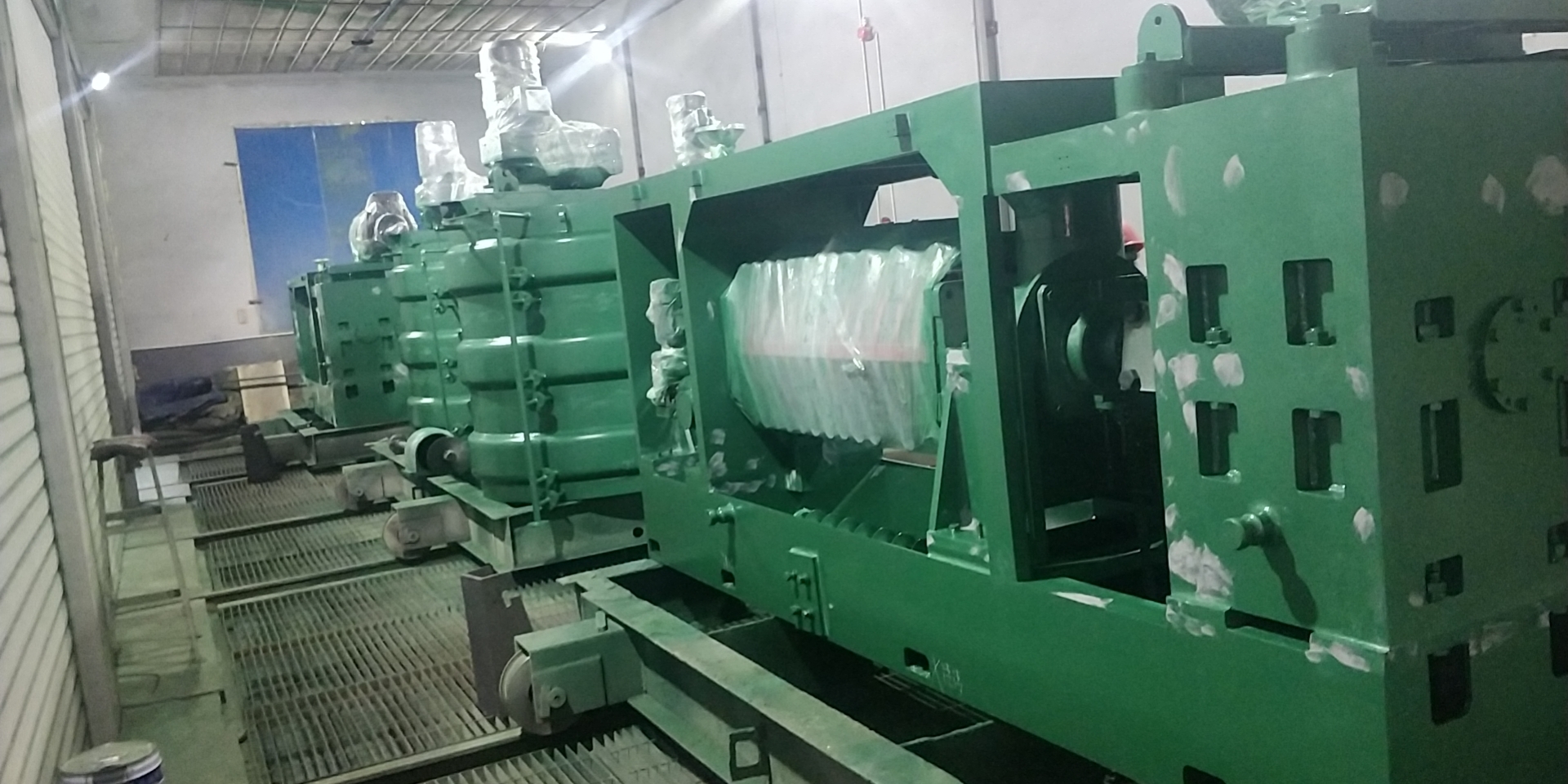
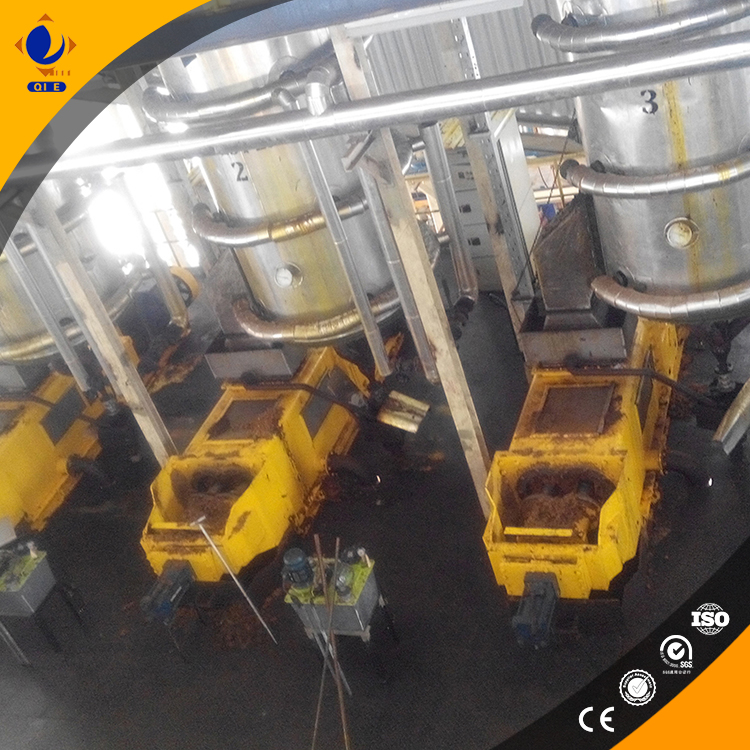
Mechanical oil pressing separates oil from prepared oilseeds or oil-bearing materials through physical pressure. Depending on the process design and feedstock, materials may be cleaned, conditioned, crushed, flaked, cooked, or otherwise prepared before entering the press.
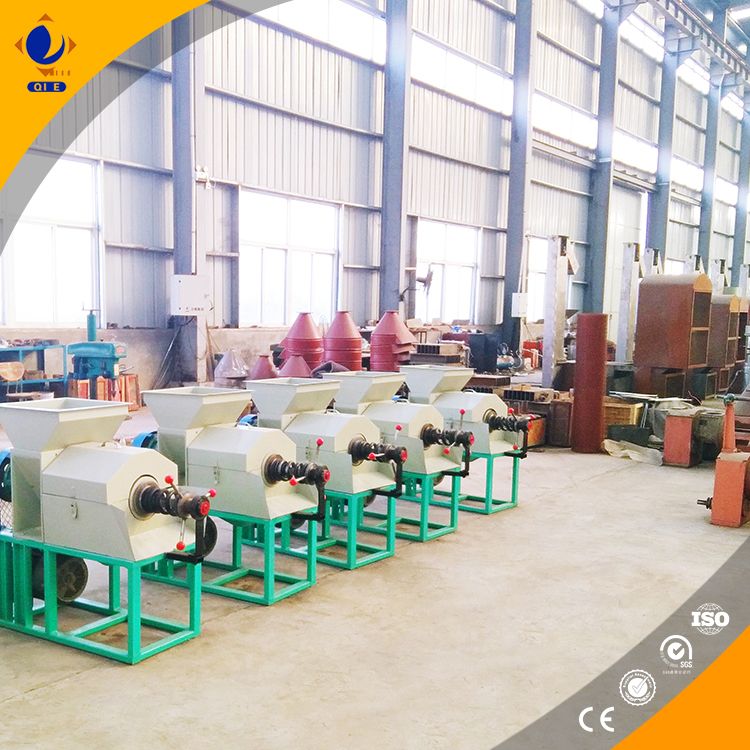
This route is commonly considered where a straightforward production layout, press-produced oil characteristics, or a defined small-to-medium production scale is important. A cold press oil machine may be relevant when product positioning calls for lower-temperature processing, subject to the characteristics of the oilseed and the required product standard.
Solvent extraction recovers oil by contacting prepared oil-bearing material or press cake with an approved extraction solvent in a controlled process. The oil-solvent mixture and extracted meal then require subsequent separation and recovery stages within the process system.
This route is generally assessed for applications where oil recovery from material with remaining oil content is a central consideration, particularly in larger or more continuous production arrangements. Its equipment configuration requires careful attention to process control, solvent recovery, site conditions, and safety-oriented system design.
| Selection Factor | Mechanical Pressing | Solvent Extraction |
|---|---|---|
| Core principle | Physical pressure separates oil from prepared material. | A solvent-based process removes oil from prepared material or press cake. |
| Typical process scope | Preparation, pressing, oil clarification and related handling stages. | Preparation, extraction, separation, solvent recovery, meal handling and related control stages. |
| Capacity fit | Often evaluated for flexible, modular, or defined production capacities. | Often evaluated for higher-throughput and continuous processing requirements. |
| Oil recovery consideration | Recovery depends on feedstock, preparation, press operation, and residual oil in cake. | Designed to address recoverable oil remaining in suitably prepared material. |
| Project considerations | Raw material preparation, oil quality objectives, press cake use, and operating flexibility. | Engineering scope, safe operation, solvent management, utilities, and recovery system integration. |
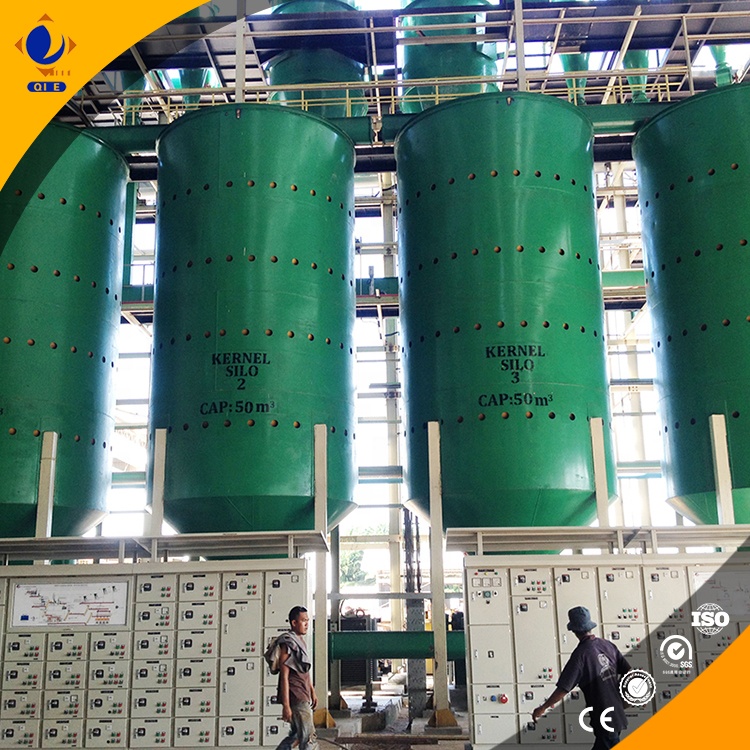
The best oil production equipment selection begins with the actual oilseed or oil-bearing material—not with a preferred machine type. Oil content, moisture condition, physical structure, impurities, storage condition, throughput consistency, and the intended use of both oil and meal can influence process design.
An oil pressing process may be a practical choice when the project requires a direct physical extraction route and the planned operating model aligns with press-based production. Pressing can be configured as part of a focused production unit or integrated into a broader oil production line with preparation, filtration, storage, and refining stages as needed.
Solvent extraction should be evaluated as a complete engineered process rather than as an isolated machine purchase. It is particularly relevant where recovery from prepared material or press cake is an important part of the production objective and where the facility can support the associated process scope.
For some oil production projects, mechanical pressing and solvent extraction can serve complementary roles. Mechanical pressing may first remove a portion of the oil, while the resulting press cake can be assessed as feed material for a subsequent extraction process. This approach requires coordinated design across material preparation, pressing, cake conveying, extraction, solvent recovery, and downstream oil handling.
Whether a combined route is suitable depends on the specific raw material, planned capacity, product economics, facility conditions, and local operating requirements. A process comparison should therefore consider the full production chain rather than only the initial extraction stage.
Crude oil obtained through pressing or extraction may require further treatment depending on its source, intended use, product specification, and target market. Refining requirements should be discussed early because they influence tankage, transfer arrangements, filtration, degumming, neutralization, bleaching, deodorization, and other process decisions where applicable.
Practical planning point: The extraction method, refining plan, and final oil positioning should be aligned from the start. A production line designed only around extraction equipment may not fully address the needs of the finished edible oil product.
A sound decision between oil pressing and solvent extraction requires a clear view of raw materials, capacity, recovery priorities, finished-oil requirements, and site conditions. Equipment should support the chosen process route as an integrated system, from initial preparation through oil handling and any required refining stages.
With experience in oil pressing equipment, oil production line equipment, and edible oil refining equipment, Qi'e Grain and Oil Machinery Co., Ltd. can help businesses assess a process configuration aligned with their operational objectives and project planning requirements.

 386
|
386
|
 Qi'e Grain and Oil Machinery Co., Ltd.
edible oil processing line planning
oil production line equipment configuration
oilseed processing capacity design
edible oil processing project
Qi'e Grain and Oil Machinery Co., Ltd.
edible oil processing line planning
oil production line equipment configuration
oilseed processing capacity design
edible oil processing project
 439
|
Qi'e Group
grain and oil machinery complete set
oil pressing production line
refining equipment
turnkey line solution
439
|
Qi'e Group
grain and oil machinery complete set
oil pressing production line
refining equipment
turnkey line solution
 361
|
hydraulic oil press machine troubleshooting
hydraulic system leak repair
hydraulic oil quality inspection
hydraulic hose and fitting leak diagnosis
preventive maintenance for hydraulic presses
361
|
hydraulic oil press machine troubleshooting
hydraulic system leak repair
hydraulic oil quality inspection
hydraulic hose and fitting leak diagnosis
preventive maintenance for hydraulic presses
 139
|
oil pressing pretreatment module
oilseed storage silo design
hammer mill vs roller crusher
oilseed conditioning softening
PLC automation for oil mill
139
|
oil pressing pretreatment module
oilseed storage silo design
hammer mill vs roller crusher
oilseed conditioning softening
PLC automation for oil mill
 496
|
spiral hydraulic oil press maintenance
hydraulic press fault prevention
bearing maintenance methods
equipment lubrication schedule
seal failure solutions
496
|
spiral hydraulic oil press maintenance
hydraulic press fault prevention
bearing maintenance methods
equipment lubrication schedule
seal failure solutions