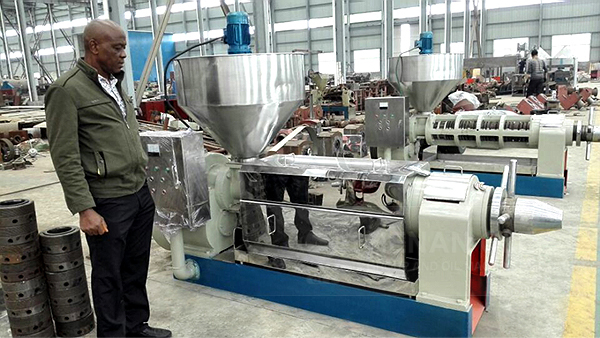
If you are designing or upgrading an oil pressing project, the pre-treatment module is where most ROI is either secured or silently lost. From seed storage to softening (conditioning), your decisions here determine oil yield stability, press cake quality, energy consumption, and even press wear life. This guide walks you through the full workflow—practically and objectively—so you can avoid common mistakes and specify parameters your EPC team, operators, and suppliers can actually execute.
Context note: At Penguin Group, these modules have been deployed across 50+ countries with process discipline aligned to ISO 9001-style quality controls—useful when you need repeatable results, not “trial-and-error commissioning.”
A robust pre-treatment block typically follows this sequence (you can scale it up/down, but the logic stays consistent):
| Step | Equipment | Control Objective (Decision-Stage KPI) |
|---|---|---|
| Storage & Intake | Silos / warehouses, intake pits, conveyors | Stable feed rate, low moisture risk, minimal loss (dust/spoilage) |
| Cleaning & Destoning | Vibro cleaner, magnetic separator, destoner | Remove metal/sand to protect presses and reduce downtime |
| Crushing / Size Reduction | Hammer mill or roller crusher | Target particle size distribution for better cell rupture and pressing |
| Softening / Conditioning | Steam cooker/conditioner, jacketed conditioner | Controlled heat & moisture to reduce viscosity and raise press throughput |
| Buffering & Feeding | Surge bin, screw feeder, weigh feeder | Prevent press starvation/overload, enable PLC interlocks |
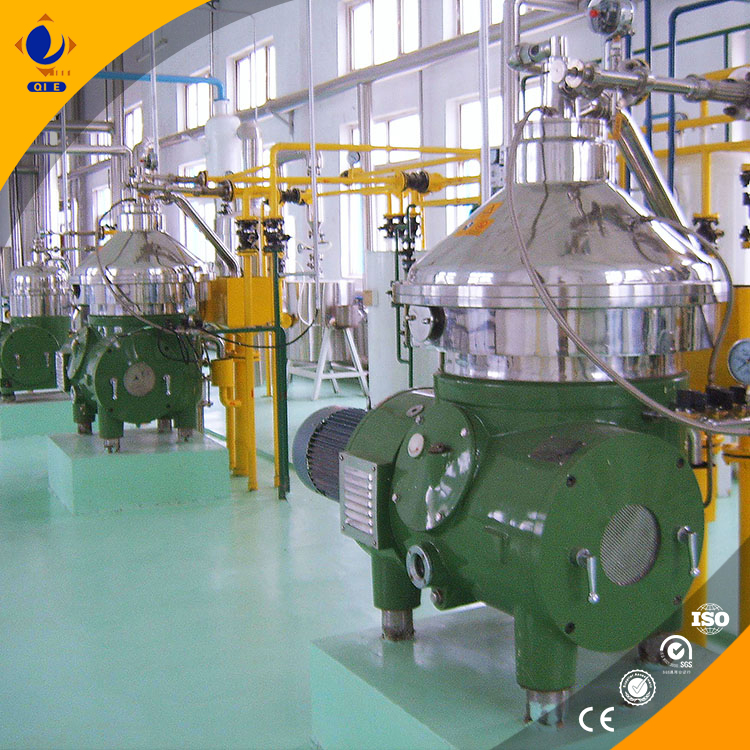
A decision-stage rule that works across many markets: plan storage to cover 7–15 production days depending on your supply volatility and port/road reliability. For inland African routes with seasonal peaks, 10–20 days is often safer. You are buying stability: fewer shutdowns, fewer “rush purchases,” and more consistent quality.
| Planning Item | Recommended Range | Why It Matters |
|---|---|---|
| Buffer days | 7–15 days (typical) | Protects OEE when deliveries fluctuate |
| Moisture monitoring points | Intake + pre-crusher + pre-conditioner | Moisture drift causes unstable pressing load |
| Loss control | Dust collection + sealed transfer points | Lower housekeeping risk; improves “real yield” |
Most oilseeds perform best when you keep intake moisture consistent and prevent hot spots. In practice, you want ventilation you can control (not uncontrolled drafts), and you want to avoid long stagnant storage that invites mold or rancidity.
Crushing is not about “making it smaller.” It’s about creating the right particle size distribution for your press to form a permeable cake while maximizing cell rupture. The wrong crusher choice often shows up later as higher press amperage, lower throughput, or inconsistent residual oil in cake.
| Criteria | Hammer Mill | Roller Crusher |
|---|---|---|
| Best for | Hard kernels, irregular feed, robust reduction | Uniform cracking with less fines |
| Particle outcome | More fines; higher surface area | Narrower distribution; better cake permeability |
| Energy/noise/dust | Often higher; needs better dust collection | Often lower dust; quieter operation |
| Typical risk | Over-grinding → “muddy” cake, press choking | Under-cracking → poor oil release, lower yield |
Exact targets depend on seed type, dehulling, and press design, but the following starting ranges are widely used for stable pressing:
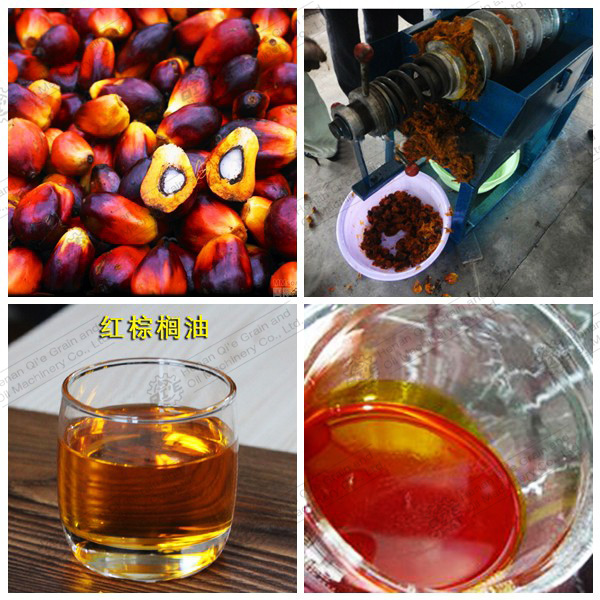
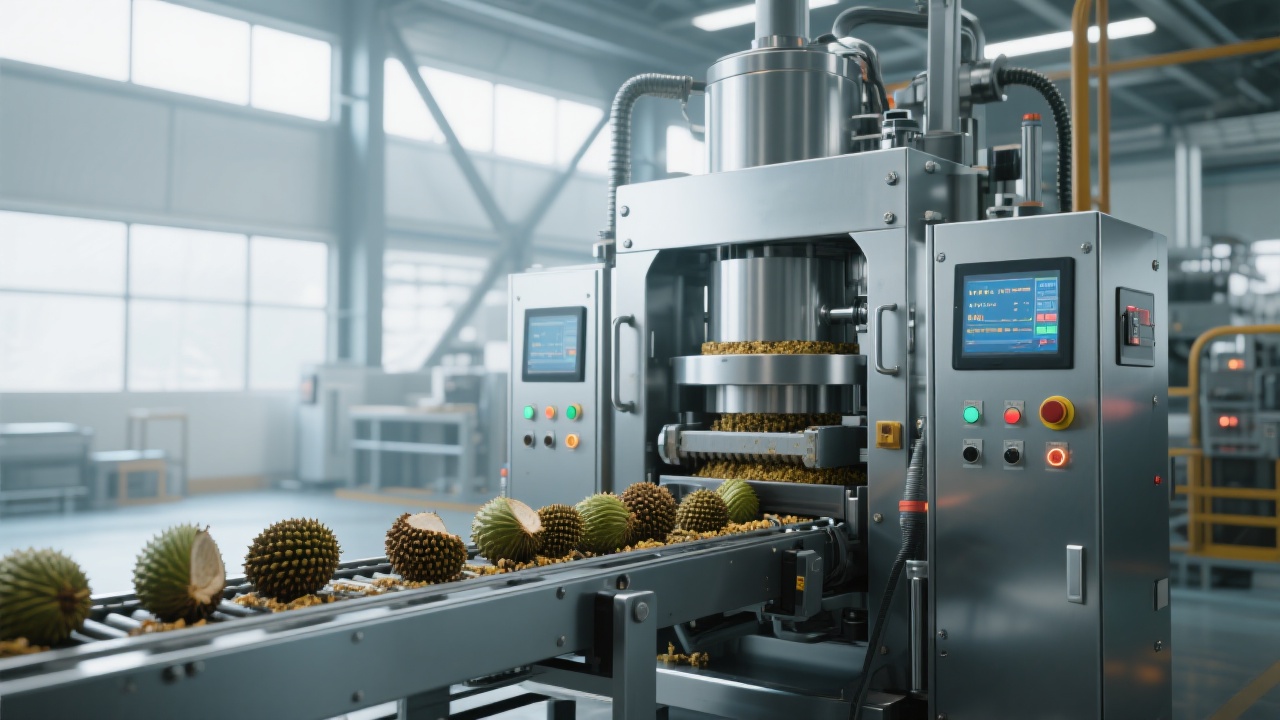
Softening (often called conditioning/cooking) is the controlled use of heat + moisture + time to reduce oil viscosity, weaken cell structures, and create a press-friendly texture. Done correctly, you typically gain more stable press throughput and reduce press shocks that shorten worm and cage life.
Many industrial conditioners operate with steam supply in the range of 0.6–0.9 MPa (6–9 bar) depending on boiler design and plant standards. Product temperature targets vary by seed type, but a practical, conservative starting point is:
| Oilseed | Conditioning Temp (Typical Start) | Residence Time (Typical Start) | What You’re Optimizing |
|---|---|---|---|
| Soybean | 60–75°C | 15–30 min | Reduce viscosity, stabilize pressing load |
| Sunflower kernel | 55–70°C | 10–25 min | Avoid overcooking, keep cake permeable |
| Palm kernel | 80–95°C | 20–40 min | Increase oil flow while preventing press overload |
Treat the table as a commissioning baseline. Your final setpoints should be verified against cake residual oil, press motor current, and oil clarity/foaming. A small temperature change (even +5°C) can be the difference between steady production and unstable feeding.
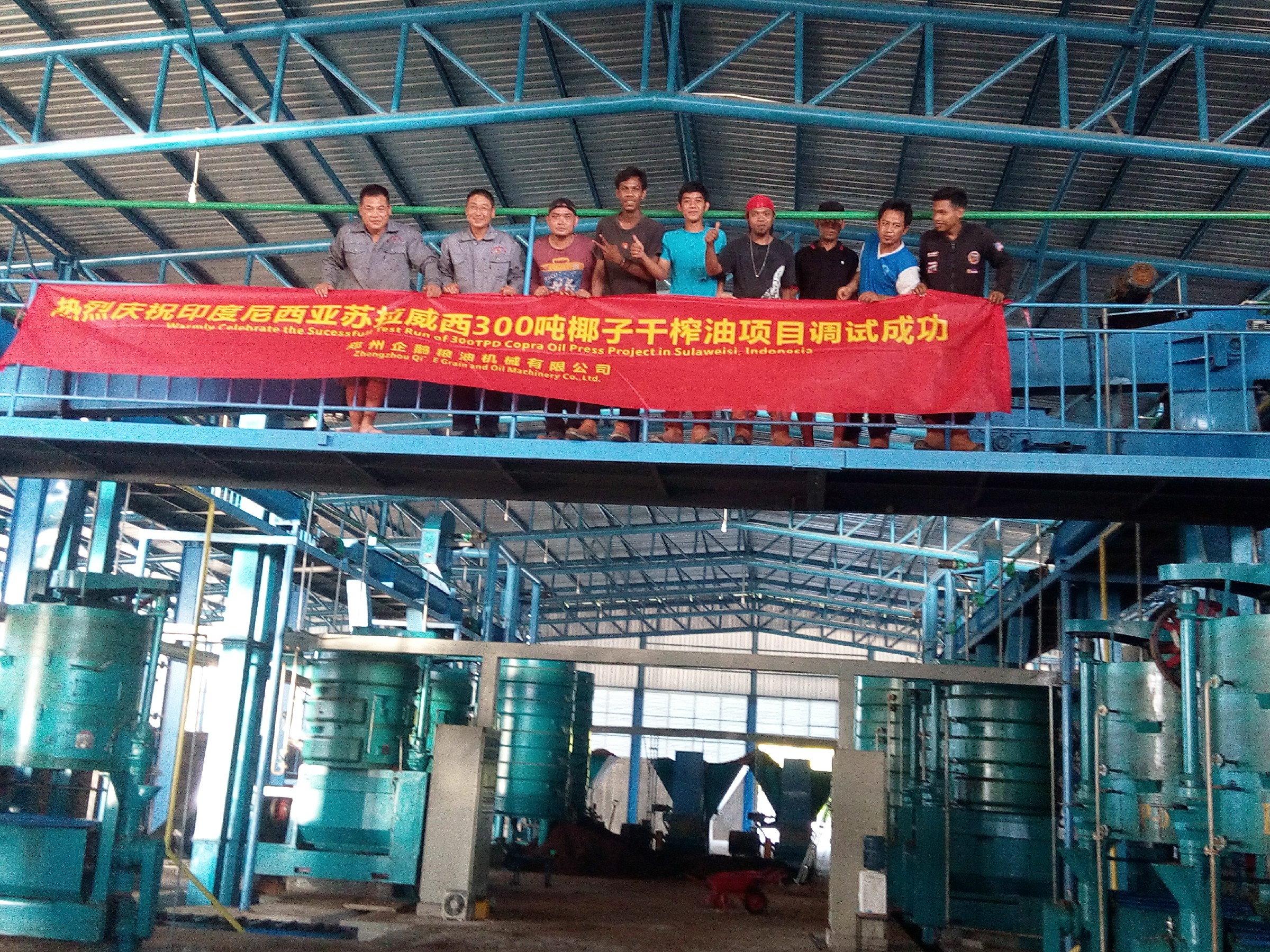
In a decision-stage project, “automation” is not a checkbox—it is the difference between a line that runs at nameplate capacity and one that oscillates all day. The highest-impact PLC design is usually at the interfaces: storage → cleaning, crusher → conditioner, conditioner → press feed.
| Control Point | Signal / Sensor | Action Logic (Readable, Auditable) |
|---|---|---|
| Surge bin level | High/low level switches | Stop upstream feed on high; protect press feed on low |
| Press feeder rate | VFD + load trend | Maintain stable press load; avoid oscillation |
| Conditioner temperature | RTD/thermocouple | PID loop to steam valve; high temp alarm/interlock |
| Magnet/metal detection | Metal detector / magnet check | Reject or stop to protect crusher/press |
In one African palm kernel processing project, the plant’s bottleneck was not the press itself—it was inconsistent pre-treatment. After commissioning review, the team focused on three adjustments that typically deliver fast returns:
Result (typical range): Plants making these corrections commonly see 10–30% improvement in effective capacity (more stable running hours and fewer micro-stoppages), with lower maintenance stress on wear parts. Your exact result depends on seed variability and the starting condition of the line, but the mechanism is consistent: stable pre-treatment → stable pressing.
If you are at decision stage, you don’t need more theory—you need a way to verify your line will run smoothly under real-world raw material variation.
If you can’t clearly answer any checklist item, that’s not a “later problem.” It’s a procurement risk that shows up as downtime, unstable quality, and preventable operating cost.
If you want a clearer scope (equipment list, baseline parameters, PLC interlocks, and layout logic) that fits your oilseed and daily capacity, use a structured reference instead of guesswork.
Get the Oil Pressing Line Pre-Treatment Module Specification GuideHelpful for EPC evaluation, tender comparison, and technical clarification meetings—especially when you need stable output and predictable maintenance planning.
 314
|
314
|
 Medium-sized screw oil press
Oilseed pretreatment
Solution for material blockage
Control of oil content in oil cake
Oil processing equipment
Medium-sized screw oil press
Oilseed pretreatment
Solution for material blockage
Control of oil content in oil cake
Oil processing equipment
 177
|
Large hydraulic press machine maintenance
Vegetable oil press equipment maintenance
Hydraulic system fault prevention
Pre - press machine daily inspection
Press machine fault troubleshooting
449
|
screw oil press pre-treatment
material blockage solution
oilseed processing optimization
sunflower seed preprocessing
steam cooking for oil extraction
177
|
Large hydraulic press machine maintenance
Vegetable oil press equipment maintenance
Hydraulic system fault prevention
Pre - press machine daily inspection
Press machine fault troubleshooting
449
|
screw oil press pre-treatment
material blockage solution
oilseed processing optimization
sunflower seed preprocessing
steam cooking for oil extraction
 367
|
oilseed storage capacity design
daily processing volume
preprocessing module
oil mill equipment
seed processing technology
471
|
plant oil pre-pressing
hydraulic pre-press machine
plant oil processing technology
solvent extraction optimization
pre-pressing process control
367
|
oilseed storage capacity design
daily processing volume
preprocessing module
oil mill equipment
seed processing technology
471
|
plant oil pre-pressing
hydraulic pre-press machine
plant oil processing technology
solvent extraction optimization
pre-pressing process control