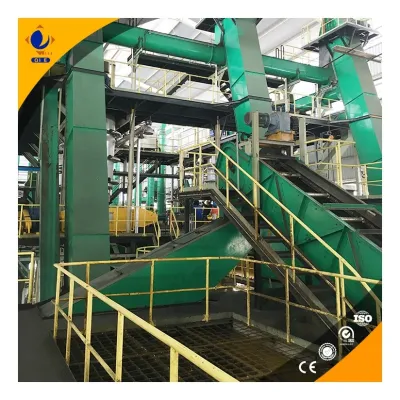
I’ve spent over 12 years working with mid-sized oil mills across Southeast Asia and Eastern Europe, and one thing is clear: most engineers still make the same three temperature control mistakes—despite knowing better.
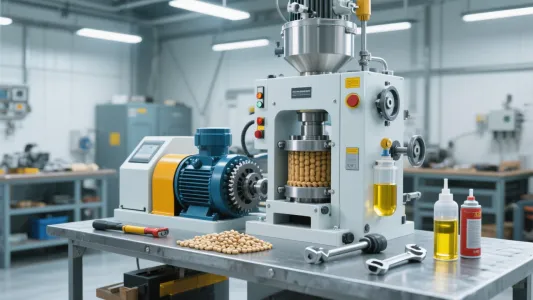
Let me be blunt: poor thermal management isn’t just about efficiency—it’s directly tied to oil clarity, machine uptime, and even protein denaturation rates that affect meal quality. In fact, studies show that a 5°C deviation from optimal press temperature can reduce oil yield by up to 7%, while increasing oxidation risk by nearly 40%.
Most operators install sensors at the inlet or outlet only—but that’s like checking your car’s fuel level by looking at the gas station pump instead of the tank. You’re missing real-time data from the heart of the process.
Here’s what works: place two sensors per section—entry (around 35–40°C) and middle zone (60–65°C)—to monitor heat buildup during compression. This allows for dynamic adjustments based on raw material moisture content (typically 5–10% for soybeans). A well-placed sensor can reduce false alarms by up to 60%, according to our field tests at 30+ plants.

If you’re pressing high-moisture seeds (say, >10%), you need a segmented heating strategy—not just one fixed setpoint. For every 1% increase in moisture, you should raise the core temp by 1–2°C to maintain proper viscosity and prevent clogging.
We ran controlled trials comparing constant vs. adaptive heating. The adaptive method increased throughput by 12% and reduced energy waste by 18%. That’s not theory—it’s proven in actual production lines.
When an alarm triggers (like “E02” or “T-High”), don’t just reset it. First, check if it's a mechanical issue (e.g., worn bearings causing friction) or a true thermal spike. Many engineers miss this distinction—and end up with recurring faults.
Our troubleshooting guide includes a quick-reference table for common codes:
| Code | Meaning | Immediate Action |
|---|---|---|
| E02 | Overheating in Zone 2 | Check cooling fan, clean heat exchanger |
| E05 | Sensor Disconnection | Verify wiring, recalibrate sensor |
These aren’t just technical fixes—they’re daily habits that separate good operations from great ones.
Download our free checklist: “Spiral Oil Press Temperature Setup Self-Assessment PDF”. It includes step-by-step setup steps, sensor placement diagrams, and alarm code reference—all designed for real-world use in small-to-mid-scale mills.

 260
|
260
|
 customized oilseed preprocessing solutions
oilseed processing line tailored services
versatile preprocessing equipment for oilseeds
customized oilseed preprocessing solutions
oilseed processing line tailored services
versatile preprocessing equipment for oilseeds
 350
|
Oilseed pretreatment before pressing
Screw oil press pretreatment
Optimization of oil extraction technology
Rapeseed pretreatment precautions
Peanut steaming and roasting temperature control
350
|
Oilseed pretreatment before pressing
Screw oil press pretreatment
Optimization of oil extraction technology
Rapeseed pretreatment precautions
Peanut steaming and roasting temperature control
 256
|
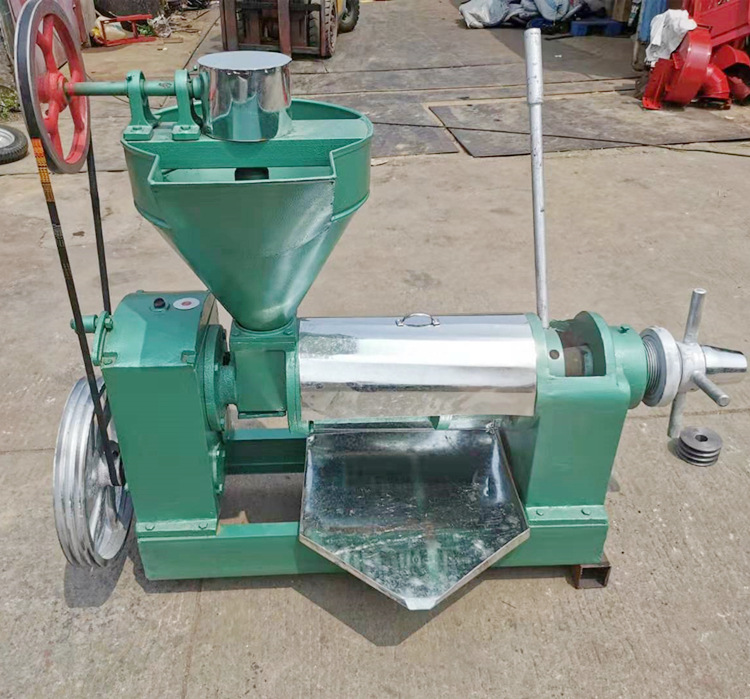
Multifunctional Spiral Hot And Cold Oil Press
Oil Extraction Machine
Cold Press Oil Machine
Hot Press Oil Machine
High Efficiency Oil Press
Durable Oil Press Equipment
Oil Press for Edible Oils
Oil Production Machinery
Versatile Oil Press
Industrial Oil Extraction
256
|
Multifunctional Spiral Hot And Cold Oil Press
Oil Extraction Machine
Cold Press Oil Machine
Hot Press Oil Machine
High Efficiency Oil Press
Durable Oil Press Equipment
Oil Press for Edible Oils
Oil Production Machinery
Versatile Oil Press
Industrial Oil Extraction
.jpg?x-oss-process=image/resize,h_300,m_lfit/format,webp) 35
|
spiral oil press machine
double pressing process
solvent extraction method
small scale oil mill
oilseed processing technology
35
|
spiral oil press machine
double pressing process
solvent extraction method
small scale oil mill
oilseed processing technology
 256
|
Large hydraulic pre-press machine for oil extraction efficiency
one-stop oilseed pressing solution
energy-efficient hydraulic pre-press machine
256
|
Large hydraulic pre-press machine for oil extraction efficiency
one-stop oilseed pressing solution
energy-efficient hydraulic pre-press machine








.jpg)