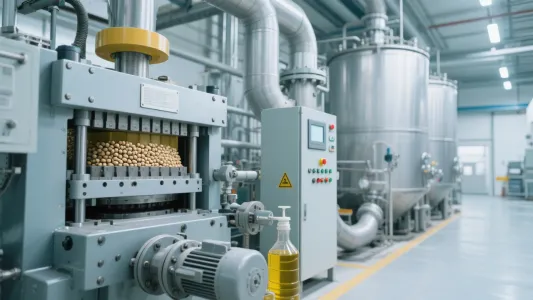
For industrial users in the edible oil production sector, maintaining consistent performance from hydraulic or pre-press oil extraction equipment is critical—not just for efficiency, but also for product quality and profitability. A recent analysis of over 120 operational plants across Southeast Asia, Africa, and Latin America shows that up to 43% of unplanned downtime stems from improper parameter settings related to raw material characteristics such as moisture content, particle size, and oil content.
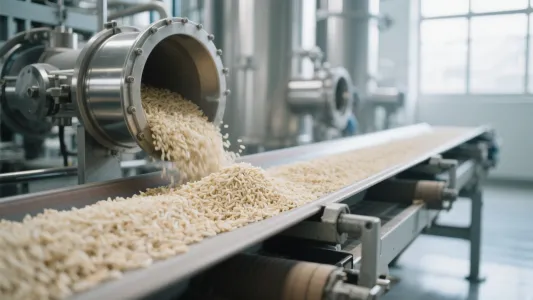
Each type of oilseed—whether soybeans, sunflower seeds, rapeseed, or palm kernels—has unique physical properties that directly influence how it behaves under pressure. For example:
These variables are not merely theoretical—they have real-world consequences. In a case study from a Malaysian biodiesel plant, adjusting the feed rate based on seed moisture reduced blockage incidents by 67% within two weeks.
The choice between hot and cold pressing impacts both yield and quality. Hot pressing (typically 100–120°C) increases oil extraction efficiency by 8–15%, especially for low-oil-content materials like cottonseed. However, it may degrade heat-sensitive nutrients like vitamin E and omega-3s.
Cold pressing (below 45°C), while yielding less oil per batch, preserves flavor, aroma, and nutritional value—making it ideal for premium culinary oils. A Brazilian olive oil producer saw a 22% increase in customer retention after switching to cold-pressed operations, despite a 10% drop in throughput.
| Oil Type | Recommended Process | Avg. Yield Increase |
|---|---|---|
| Soybean | Hot Press | 12% |
| Sunflower Seed | Cold Press | 8% |
| Rapeseed | Hot Press | 15% |
Material buildup at the press chamber inlet is often caused by oversized particles (>6mm), uneven moisture distribution, or incorrect feed speed. According to industry data, 68% of these issues can be resolved simply by implementing a pre-screening step using a 3–5mm mesh sieve.
When oil flows unevenly across the press cake, it usually indicates poor uniformity in the feeding mechanism or an imbalance in internal pressure. Adjusting the screw conveyor speed and ensuring consistent feed density can reduce this issue by up to 75%, according to a technical audit conducted by a leading European engineering firm.
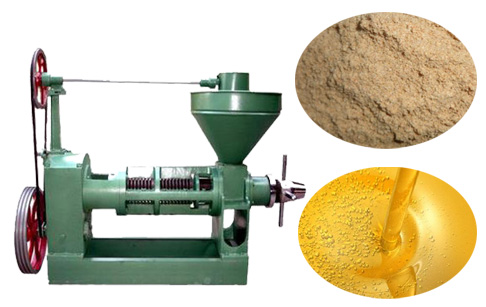
Operators should also monitor the press’s vibration levels and temperature gradients regularly—early signs of mechanical stress or thermal inefficiency. Real-time monitoring systems integrated into modern presses can alert maintenance teams before minor issues escalate into major failures.
Discover how our industrial-grade hydraulic and pre-press oil extractors help you achieve stable operation, maximize yield, and minimize downtime—no matter your raw material.
Explore High-Efficiency Oil Press Solutions
 210
|
210
|
 Small and medium - sized screw oil press
Screw shaft design
Pressing temperature control
Pre - heating function
Oil mill equipment selection
Small and medium - sized screw oil press
Screw shaft design
Pressing temperature control
Pre - heating function
Oil mill equipment selection
 196
|
ZY24 spiral oil press machine
multi-functional oil press
continuous oil extraction equipment
oilseed processing machinery
small and medium oil mill equipment
196
|
ZY24 spiral oil press machine
multi-functional oil press
continuous oil extraction equipment
oilseed processing machinery
small and medium oil mill equipment
 476
|
screw oil press pre-treatment
oil yield optimization
roasting process control
oilseed processing techniques
cake oil content reduction
476
|
screw oil press pre-treatment
oil yield optimization
roasting process control
oilseed processing techniques
cake oil content reduction
 283
|
small-scale palm oil equipment
customized oil pressing equipment
hot and cold pressing process
environmentally friendly oil pressing equipment
efficient oil production line
283
|
small-scale palm oil equipment
customized oil pressing equipment
hot and cold pressing process
environmentally friendly oil pressing equipment
efficient oil production line
 41
|
Improvement of screw oil press oil yield
Process optimization for small and medium - sized oil mills
Temperature management skills for oil presses
Pressing technology for rapeseeds
peanuts and sunflower seeds
Operation guide for continuous screw oil presses
41
|
Improvement of screw oil press oil yield
Process optimization for small and medium - sized oil mills
Temperature management skills for oil presses
Pressing technology for rapeseeds
peanuts and sunflower seeds
Operation guide for continuous screw oil presses