Buying edible oil processing equipment is a process decision—not only a machine comparison.
Oil press machines, oil production lines, solvent extraction systems, and edible oil refining equipment must work with the selected raw material, production target, site conditions, and operating team. A low initial quotation or an attractive single-machine specification may not represent the actual long-term value of an oil mill project.
Qi'e Grain and Oil Machinery Co., Ltd. supports B2B buyers in evaluating oil pressing and edible oil equipment from a practical project perspective, including process compatibility, operating capacity, line integration, installation considerations, and service requirements.
Edible oil processing is a connected operation. The performance of preparation, pressing or extraction, filtration, refining, storage, and auxiliary systems affects the next stage of the line. When equipment is selected in isolation, buyers may face mismatched capacities, avoidable handling steps, operational bottlenecks, or difficulty achieving a stable production flow.
A sound evaluation begins by defining what the facility needs to process and what it is expected to produce. This gives buyers a clearer basis for comparing oil mill equipment suppliers, process proposals, and commercial offers.
Different oilseeds and oil-bearing materials can require different preparation, pressing, extraction, filtration, or refining arrangements. Oil content, moisture, cleanliness, shell content, physical condition, and desired final product all influence process selection. Choosing an oil press machine solely because it is widely used or appears suitable for a broad range of seeds can lead to a process that is not properly matched to the intended material.
Capacity should be reviewed in the context of real operating conditions. Raw material quality, pretreatment, feeding consistency, operating hours, process settings, staffing, maintenance practices, and downstream equipment can all affect throughput. Buyers should ask how capacity is defined, what material basis is assumed, and whether each part of the production line is balanced around the same practical output target.
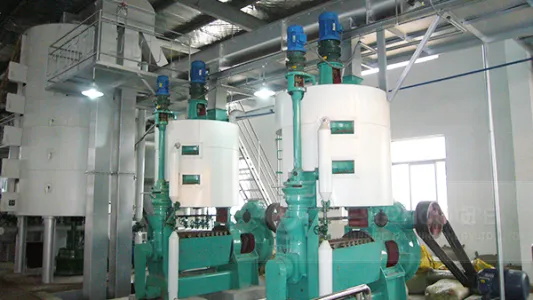
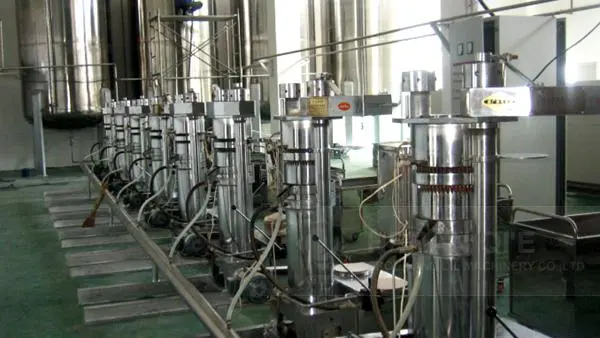
An oil press is only one part of many edible oil processing projects. Material conveying, cleaning, seed preparation, cooking or conditioning where applicable, crude oil handling, filtration, refining, utilities, electrical controls, and storage may all need to be considered. Omitting supporting systems at the quotation stage can make the initial offer appear lower while leaving important project requirements unresolved.
Equipment selection should account for the utilities available at the installation site, such as electrical supply, water, steam or thermal requirements where relevant, ventilation, drainage, and material access. Plant layout, available space, foundation conditions, and maintenance access also affect installation and everyday operation. Early site review helps avoid last-minute changes and supports a more workable line layout.
The purchase price is important, but it is not the only cost factor. Buyers should also consider operating stability, energy use, wear parts, cleaning and maintenance needs, access to technical support, and the practical availability of replacement components. A suitable equipment solution should be evaluated for its ability to support the intended operation over time, not simply for its initial price.
A production line is not fully evaluated until the delivery, installation, commissioning, and operating handover approach is understood. Buyers should clarify responsibilities, technical documents, electrical and piping interfaces, operator guidance, startup support, and communication procedures before confirming an order. These details are especially relevant for projects involving multiple machines or international delivery.
A supplier evaluation should go beyond catalog images and general specifications. Useful questions include whether the supplier understands the proposed process route, can explain the interfaces between equipment sections, provides clear scope definitions, and has a practical method for technical communication after delivery. For oil production line equipment and refining equipment, coordination capability can be as important as the specification of an individual machine.
Before requesting a detailed proposal, prepare the information that allows equipment suppliers to assess the project accurately:
| Evaluation area | Questions for the supplier |
|---|---|
| Process suitability | How does the proposed configuration suit the stated raw material and processing objective? |
| Capacity basis | What assumptions are used for the stated capacity, and how are line sections balanced? |
| Equipment scope | Which main machines, auxiliary units, controls, and interfaces are included or excluded? |
| Operating requirements | What utilities, operating conditions, maintenance access, and routine service requirements should be planned? |
| Project delivery | What technical documents, installation guidance, commissioning support, and operator instructions are provided? |
| Long-term support | How will spare parts, troubleshooting communication, and after-sales service be handled after startup? |
Start with a complete process review. Consider material receiving, preparation, oil recovery, crude oil treatment, refining needs, utilities, layout, and future operational requirements together.
Review how new equipment will interface with existing systems. The key issue is not only adding capacity, but maintaining a balanced material flow across the operation.
Assess the reason for replacement, including process fit, reliability, maintenance practicality, operating requirements, and compatibility with upstream and downstream equipment.
The most effective purchasing process connects technical requirements with commercial evaluation. Rather than selecting an oil press machine or edible oil equipment package based on one parameter, buyers benefit from comparing complete scope, process logic, actual operating conditions, project support, and long-term service arrangements.
Qi'e Grain and Oil Machinery Co., Ltd. supplies oil pressing equipment, oil production line equipment, and oil refining equipment for edible oil processing projects. By sharing your raw material, expected capacity, product target, and site information, you can obtain a discussion that is better aligned with the practical needs of your project.

 320
|
320
|
 Qi'e Grain and Oil Machinery Co., Ltd.
oil pressing equipment
oil yield
process configuration
equipment selection
Qi'e Grain and Oil Machinery Co., Ltd.
oil pressing equipment
oil yield
process configuration
equipment selection
 141
|
Qi'e Grain and Oil Machinery Co., Ltd.
grain and oil machinery
oil pressing equipment
oil production line
edible oil refining equipment
141
|
Qi'e Grain and Oil Machinery Co., Ltd.
grain and oil machinery
oil pressing equipment
oil production line
edible oil refining equipment
 492
|
Qi'e Grain and Oil Machinery Co., Ltd.
grain and oil machinery equipment
oil pressing machinery
oil refining equipment
complete processing line
492
|
Qi'e Grain and Oil Machinery Co., Ltd.
grain and oil machinery equipment
oil pressing machinery
oil refining equipment
complete processing line
 171
|
ZY24 screw oil press maintenance
continuous oil press lubrication standards
oil press key parts service intervals
oil press troubleshooting guide
Penguin Group oil press maintenance
171
|
ZY24 screw oil press maintenance
continuous oil press lubrication standards
oil press key parts service intervals
oil press troubleshooting guide
Penguin Group oil press maintenance
 175
|
Qi'e Grain and Oil Machinery Co., Ltd.
grain and oil machinery equipment
oil pressing machinery
oil production equipment
edible oil refining
175
|
Qi'e Grain and Oil Machinery Co., Ltd.
grain and oil machinery equipment
oil pressing machinery
oil production equipment
edible oil refining






.jpg)