I’ve been in the oil extraction business for over 15 years — and one question keeps coming up from plant managers: “Why is our oil cloudy even after filtration?” The answer isn’t always in the filter. It’s in the temperature control.
In my experience, a difference of just 4°C can mean the difference between clear, premium-grade oil and a product that fails quality audits. Let me show you why:
| Temperature Control Setting | Protein Denaturation Rate | Oil Clarity (Turbidity in NTU) | Yield Loss (%) |
|---|---|---|---|
| ±1°C | Low (≤5%) | ≤10 NTU | ~2% |
| ±5°C | High (≥20%) | 25–40 NTU | ~7% |
These aren’t hypothetical numbers — they’re from real production lines in India, Brazil, and Indonesia where we implemented upgraded PID controllers. With ±1°C precision, we saw a consistent drop in turbidity and fewer rework batches.
When temperature fluctuates by ±5°C, proteins in the meal begin to denature rapidly. This leads to emulsification during pressing — tiny protein particles stay suspended in the oil, causing cloudiness. Worse, it increases oxidation risk because unstable proteins release free radicals.
At ±1°C, however, the process stays within the optimal range for enzymatic activity and molecular stability — especially important when processing soybeans or sunflower seeds with high moisture content (>8%).
If your current system allows ±5°C variance, here’s what I recommend:
And if you're seeing frequent "Overheat" alerts (code E12), check your cooling water flow rate — many plants overlook this simple fix.
Remember: clarity isn't just about appearance. It's a signal of purity, consistency, and trust — critical for B2B buyers sourcing edible oils for food processors or cosmetics brands.
Download our free “温控设置自查清单” (Temperature Control Checklist) PDF — includes sensor placement tips, alarm thresholds, and troubleshooting flowchart. No sign-up required.
Get Your Free Checklist Now →
 497
|
497
|
 QIE oil pressing equipment
advanced technology oil pressing
oil seed processing machine
high-capacity oil extraction equipment
ISO9001 standardized oil equipment
environmentally-friendly pressing equipment
one-stop oil production solutions
plant-based oil machinery
animal oil production machinery
QIE oil pressing equipment
advanced technology oil pressing
oil seed processing machine
high-capacity oil extraction equipment
ISO9001 standardized oil equipment
environmentally-friendly pressing equipment
one-stop oil production solutions
plant-based oil machinery
animal oil production machinery
 201
|
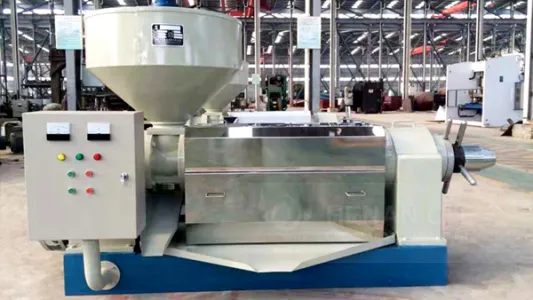
6YL-185 Screw Hydraulic Press
6YL-185 Spiral Hydraulic Press
Screw oil pressing machine 6YL-185
High efficiency oil press 6YL-185
6YL-185 vegetable oil extraction
Durable screw hydraulic press 6YL-185
Multi-seed oil press 6YL-185
Reliable oil processing equipment 6YL-185
Cost-effective oil extraction 6YL-185
201
|
6YL-185 Screw Hydraulic Press
6YL-185 Spiral Hydraulic Press
Screw oil pressing machine 6YL-185
High efficiency oil press 6YL-185
6YL-185 vegetable oil extraction
Durable screw hydraulic press 6YL-185
Multi-seed oil press 6YL-185
Reliable oil processing equipment 6YL-185
Cost-effective oil extraction 6YL-185
.jpg?x-oss-process=image/resize,h_300,m_lfit/format,webp) 346
|
screw oil press optimization
rapeseed oil extraction
peanut pressing parameters
small oil mill technology
continuous oil press adjustment
346
|
screw oil press optimization
rapeseed oil extraction
peanut pressing parameters
small oil mill technology
continuous oil press adjustment
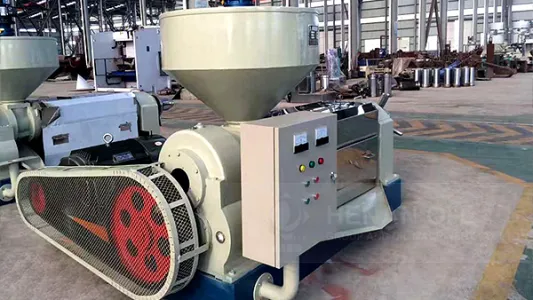 142
|
6YL-185 Spiral Hydraulic Press
6YL-185 Screw Oil Press
6YL-185 Hydraulic Oil Press
6YL-185 Oil Extraction Machine
6YL-185 Petroleum Equipment
6YL-185 Vegetable Oil Press
6YL-185 Oil Processing Equipment
6YL-185 High Oil Yield Press
6YL-185 Easy Maintenance Press
142
|
6YL-185 Spiral Hydraulic Press
6YL-185 Screw Oil Press
6YL-185 Hydraulic Oil Press
6YL-185 Oil Extraction Machine
6YL-185 Petroleum Equipment
6YL-185 Vegetable Oil Press
6YL-185 Oil Processing Equipment
6YL-185 High Oil Yield Press
6YL-185 Easy Maintenance Press
 283
|
small-scale palm oil equipment
customized oil pressing equipment
hot and cold pressing process
environmentally friendly oil pressing equipment
efficient oil production line
283
|
small-scale palm oil equipment
customized oil pressing equipment
hot and cold pressing process
environmentally friendly oil pressing equipment
efficient oil production line