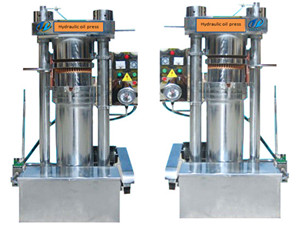
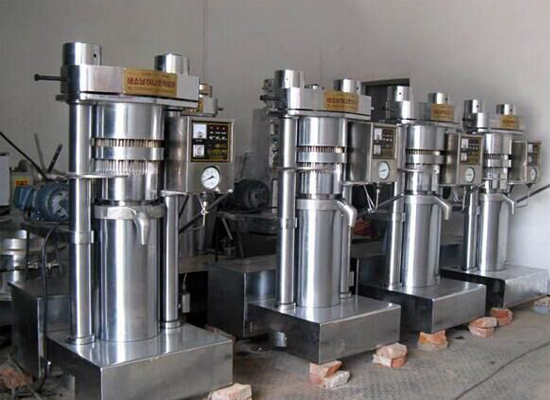
In the rapidly evolving plant oil processing industry, small and medium-sized enterprises (SMEs) face increasing pressure to optimize production efficiency and maximize return on investment (ROI). Selecting the appropriate hydraulic press for plant seed oil extraction is critical to achieving these goals. This article presents a comprehensive guide to selecting hydraulic pressing equipment tailored to SME needs, emphasizing key technical features such as pressure stability, fully automated controls, and energy consumption optimization.
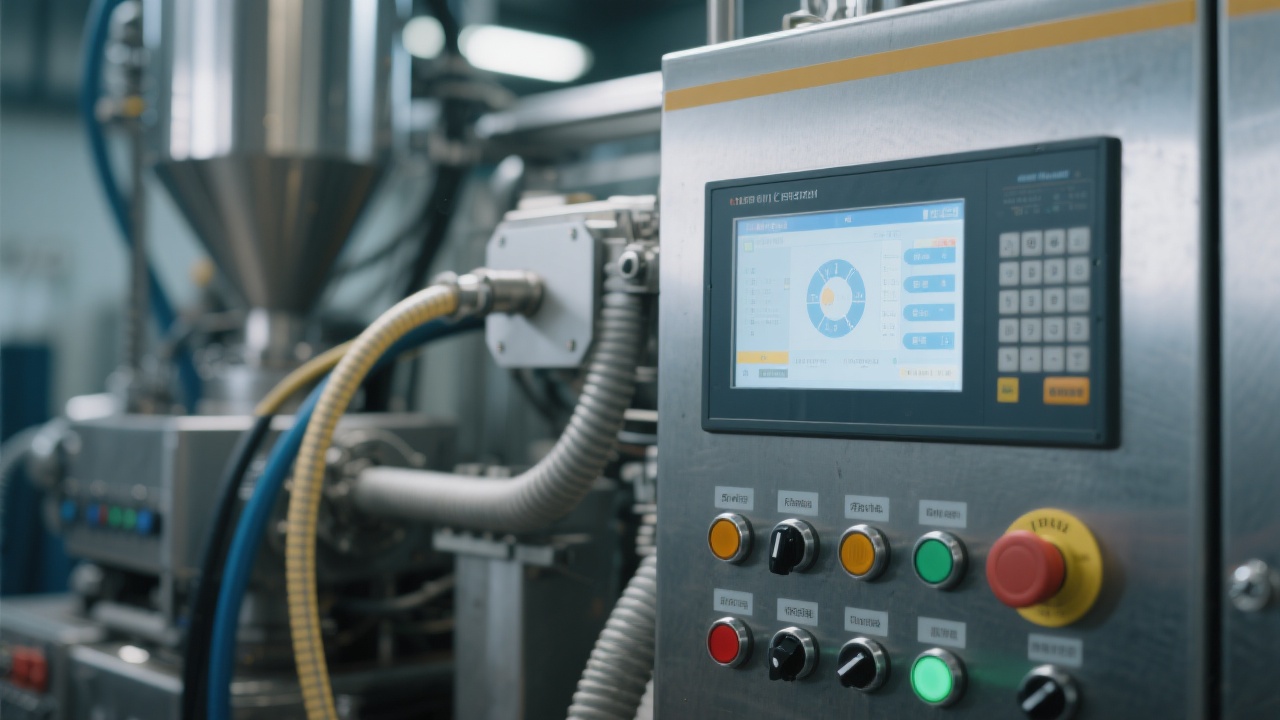
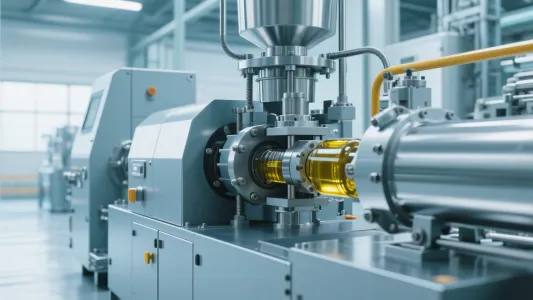
Hydraulic presses designed for plant seed oil extraction leverage precise pressure control systems to maintain consistent crushing force, essential for maximizing oil yield. Pressure stability within ±2% variance ensures that oilseeds are compressed uniformly, preventing damage to equipment and seeds while optimizing output. Furthermore, incorporating automated hydraulic control systems significantly reduces manual intervention, thereby minimizing operational errors and labor costs. On average, automated systems can increase pressing throughput by 20-30% compared to semi-manual presses.
Energy efficiency is another pivotal factor. Modern hydraulic presses typically consume 15-25% less energy by integrating variable frequency drives and energy recovery technologies, directly contributing to lower operational expenses and environmental impact.
A nuanced understanding of different stakeholders’ priorities within an SME oil plant ensures precise equipment recommendations:
Industry data collected from leading manufacturers reveal that high-performance hydraulic presses can improve plant seed oil extraction efficiency by up to 15% compared to older mechanical screw presses. Figure 1 illustrates comparative extraction yields and energy costs between typical equipment categories in the SME sector. Such data underpin rational investment decisions and align equipment choice with operational goals.
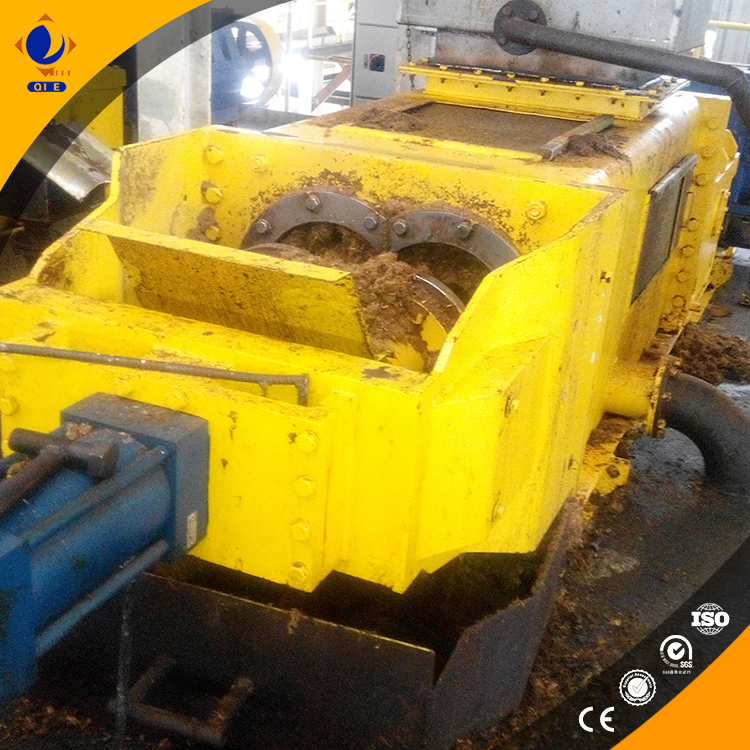
Proper operational protocols and regular maintenance schedules are vital for sustaining hydraulic press performance. Recommended daily procedures include:
Equipment manufacturers emphasize preventive maintenance every 500 operational hours, including filter changes, hydraulic hose inspections, and recalibration of pressure sensors. Adherence to these schedules can extend machine lifespan by 30% and reduce unplanned downtime significantly.
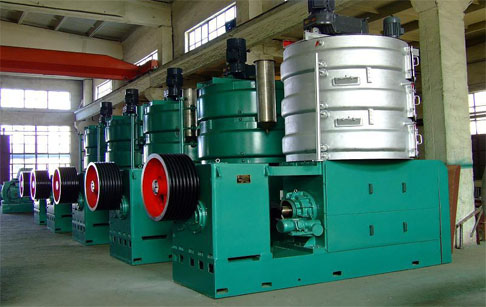
The right hydraulic press not only enhances oil extraction rates but also offers strategic advantages in the competitive market. By selecting equipment with integrated automation and energy-saving features, SMEs can:
In addition, suppliers typically provide tailored financing options and technical support, facilitating smooth equipment integration and rapid ROI realization, often within 18 to 24 months under standard operating conditions.

 434
|
434
|
 Penguin oil pressing equipment
high-efficiency oil extraction
eco-friendly oil production equipment
Petroleum equipment for oil extraction
ISO9001 certified oil pressing machines
plant and animal oil extraction machinery
reliable oil pressing solutions
patented oil extraction technology
comprehensive oil production solutions
Penguin oil pressing equipment
high-efficiency oil extraction
eco-friendly oil production equipment
Petroleum equipment for oil extraction
ISO9001 certified oil pressing machines
plant and animal oil extraction machinery
reliable oil pressing solutions
patented oil extraction technology
comprehensive oil production solutions
 385
|
oil press machine
oilseed processing equipment
sustainable oil extraction
turnkey oil plant solution
efficient vegetable oil production
385
|
oil press machine
oilseed processing equipment
sustainable oil extraction
turnkey oil plant solution
efficient vegetable oil production
 278
|
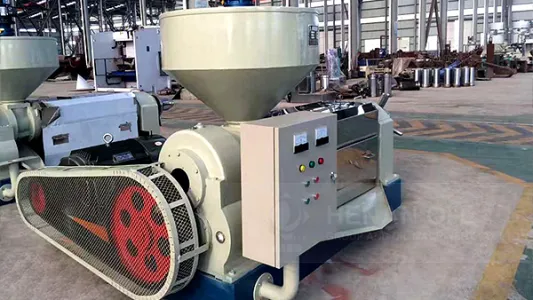
6YL-185 Spiral Hydraulic Press
6YL-185 Screw Hydraulic Press
Hydraulic Oil Press 6YL-185
Screw Oil Press 6YL-185
High Efficiency Oil Press
Vegetable Oil Processing Equipment
Oil Yield Optimization Machine
Durable Oil Press for Oilseeds
Versatile Oil Extraction Equipment
6YL-185 Oil Processing Technology
278
|
6YL-185 Spiral Hydraulic Press
6YL-185 Screw Hydraulic Press
Hydraulic Oil Press 6YL-185
Screw Oil Press 6YL-185
High Efficiency Oil Press
Vegetable Oil Processing Equipment
Oil Yield Optimization Machine
Durable Oil Press for Oilseeds
Versatile Oil Extraction Equipment
6YL-185 Oil Processing Technology
 313
|
screw oil press optimization
oilseed pressing process
continuous oil press for small mills
oil extraction efficiency
oil press parameter adjustment
313
|
screw oil press optimization
oilseed pressing process
continuous oil press for small mills
oil extraction efficiency
oil press parameter adjustment
 172
|
Medium-sized screw oil press
Oilseed pretreatment process
Steaming and frying parameter optimization
Screw oil press operation guide
SOP standard process
172
|
Medium-sized screw oil press
Oilseed pretreatment process
Steaming and frying parameter optimization
Screw oil press operation guide
SOP standard process