https://shmuker.oss-cn-hangzhou.aliyuncs.com/data/oss/65b068c3c2e9735675cac322/65b46cb67cfeb5177346777c/20240426173741/未标题-1_画板%201.png

Key Technologies for Enhancing Oil Yield in Small and Medium-Sized Oil Mills Using Screw Oil Presses
2025-10-03
QI ' E Group
Technical knowledge
Discover how the ZY24 (202-3) screw oil press significantly improves oil yield in small and medium-sized oil mills through precise control of raw material pretreatment, pressing chamber pressure, and temperature management. This article provides detailed operational adjustment techniques for screw shaft speed, pressing bar gaps, and segment distribution tailored to the physical characteristics of common oilseeds such as rapeseed, peanut, and sunflower seed. Avoid common pitfalls and achieve efficient, stable production with optimized quality through frontline technical insights and actionable solutions that turn every investment into higher oil output.
https://shmuker.oss-accelerate.aliyuncs.com/data/oss/65b068c3c2e9735675cac322/668263a4df9f6e7a1281439c/20240709160825/636.jpg

Mastering Oil Yield Enhancement: The ZY24 (202-3) Spiral Screw Press for Small to Medium Oil Mills

For small to medium oil mills striving for higher oil output, the ZY24 (202-3) spiral screw press offers precision control and operational finesse that can transform your production efficiency. This guide walks you through the critical technology and proven techniques—from raw material preparation to the fine-tuning of machine parameters—that significantly boost oil yield for common oilseeds like rapeseed, peanut, and sunflower.

1. Raw Material Preparation: The Foundation of Efficient Pressing

Before the oil extraction process begins, controlling the moisture content and particle size of your feedstock is essential to minimize oil retention and maximize yield.

Oilseed Type Optimal Moisture Content (%) Ideal Crush Size (mm)
Rapeseed 7-9% 1.2-1.5
Peanut 6-8% 1.0-1.3
Sunflower Seed 8-10% 1.3-1.6

Maintaining raw material moisture within these ranges improves cell rupture during pressing and reduces oil trapped in pomace, increasing yield by up to 8% compared to unregulated inputs.

2. Dynamic Pressing Chamber Pressure & Temperature Regulation

The heart of ZY24 (202-3) performance lies in its robust control over pressing chamber pressure and temperature, which critically affects oil release and quality.

  • Pressure Adjustment: Tailor the pressing force according to oilseed type—higher pressures (up to 35 MPa) benefit harder seeds like sunflower, while rapeseed requires moderate pressure (~25 MPa) to avoid excessive pomace hardness.
  • Temperature Control: Maintain the pressing chamber temperature in a narrow range (110°C to 130°C optimal). Exceeding this may degrade oil quality; too low limits extractability.

Implementing a real-time monitoring system for these variables ensures steady-state operation. Field data indicates that mills adopting these strategies improved oil yields by 5-10% within 3 months of adjustment.

Diagram of screw press temperature and pressure control system optimizing oil yield

3. Precision Screw Speed, Barrel Clearance & Pressing Zone Configuration

The ZY24 (202-3) allows fine-tuning of critical mechanical parameters to accommodate different seed characteristics, maximizing efficiency.

Parameter Rapeseed Peanut Sunflower Seed
Screw Rotation Speed (rpm) 18-22 15-20 20-24
Barrel Clearance (mm) 0.5-0.7 0.7-1.0 0.6-0.8
Pressing Zone Distribution Balanced, with longer compression zone Short compression zone, longer pre-pressing Standard distribution

These adjustments help balance throughput with extraction efficiency. Over-tight clearances can cause mechanical stress and oil loss due to overheating, while oversize gaps reduce pressing force and yield.

Technical schematic showing screw speed and barrel clearance impact on oil yield

4. Avoiding Operational Pitfalls: Common Mistakes and Fixes

Industry veterans emphasize that mastering the press also means steering clear of frequent errors that undercut output:

“Consistent sample testing and process logging are your best tools. Without data-driven adjustments, even minor deviations in moisture or machine speed can cut your oil yield by 3-5%.” – Senior Mechanical Engineer, ZY Machinery
  • Inconsistent raw material quality—leading to unstable pressing conditions.
  • Neglecting temperature thresholds, causing oil degradation or high energy cost.
  • Ignoring wear on pressing components, reducing pressure efficiency.
  • Incorrect screw speed causing seed particle slippage or heat buildup.

Preventative maintenance schedules combined with standardized SOPs for feeding, temperature control and periodic training yield measurable improvements.
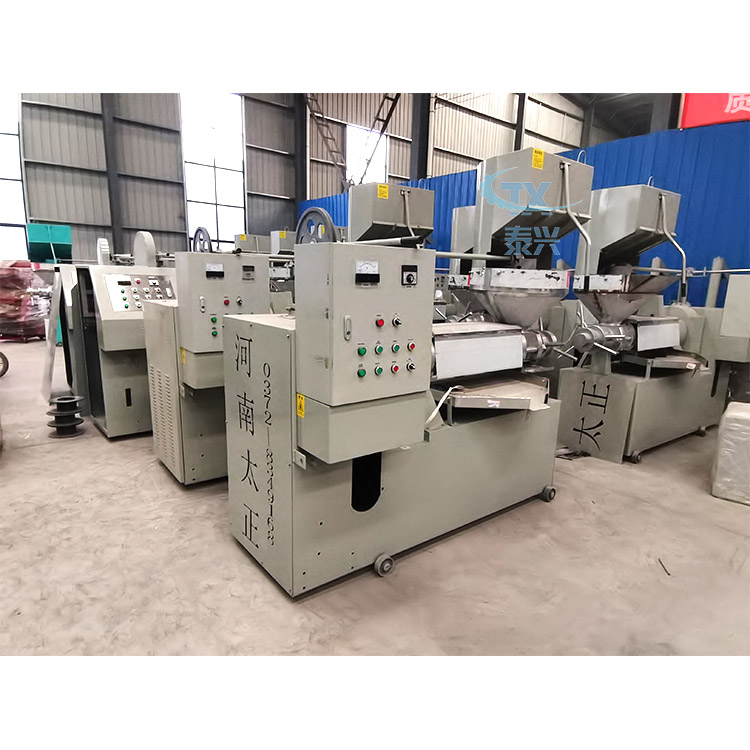
Maintenance checklist and operational SOP guide enhancing oil press yield

5. Data-Driven Operational Steps for Rapid Yield Gains

Here’s a practical workflow you can adopt immediately to unlock higher extraction rates:

  1. Test and adjust raw material moisture with a portable moisture meter immediately before pressing.
  2. Set screw speed and pressure parameters based on seed-specific guidelines above; monitor closely for mechanical strain.
  3. Check and stabilize chamber temperature with inline sensors; recalibrate heaters monthly.
  4. Log daily output, oil percentage and pomace hardness; identify trends and fine-tune machine setup weekly.
  5. Implement routine maintenance and component replacement schedules to avoid decline in press performance.

These steps leverage the ZY24 (202-3) design for continuous adaptation, helping your oil mill reliably push output by up to 15% within 90 days of systematic tweaks.

Ready to transform your oil extraction process with proven ZY24 technology? Explore Product Details & Request Your Technical Handbook Now


Recommended Products
Hot Products
Contact us
Contact us
https://shmuker.oss-cn-hangzhou.aliyuncs.com/tmp/temporary/60ec5bd7f8d5a86c84ef79f2/60ec5bdcf8d5a86c84ef7a9a/thumb-prev.png
